China pulls in Big Tobacco to help with smaller-than-expected finance-industry capital injections
Source Entity
US Top News and Analysis
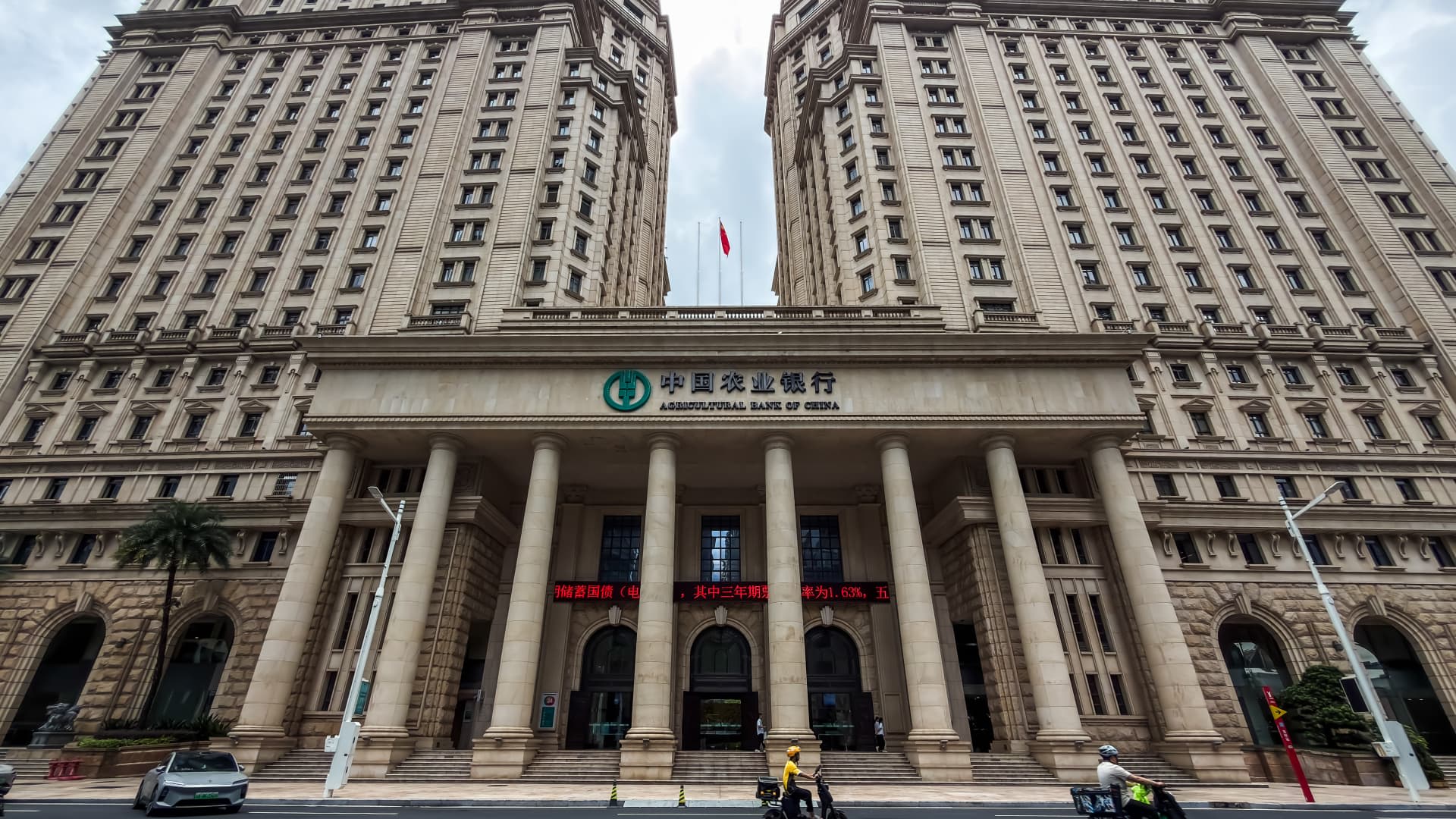
China is injecting $54 billion into state-owned banks and insurers, utilizing unconventional funding from the state tobacco monopoly. This move aims to stabilize the financial system and encourage market growth through a cautious, restrained stimulus approach.
China’s Strategic Financial Recapitalization
In a notable shift in fiscal policy, the Chinese government has initiated a $54 billion capital injection into state-owned financial institutions. This move, spearheaded by the Ministry of Finance, targets three major state lenders and five insurers. The inclusion of the state-owned tobacco giant as a key funding partner marks an unconventional approach to shoring up the nation's financial infrastructure. This strategy reflects Beijing’s attempt to balance the urgent need for systemic stability with a broader commitment to restrained economic stimulus.
The Role of Non-Traditional Capital
The involvement of China's tobacco monopoly in bank recapitalization is a significant departure from traditional fiscal maneuvers. By leveraging profits from state-controlled industries to bolster financial institutions, the government is effectively diversifying its capital sources beyond standard treasury funds. This decision highlights the pressure on the state to find creative, internal solutions to financial stress without significantly increasing the national debt burden or triggering excessive inflation through broad-based monetary easing.
Expanding Support to the Insurance Sector
For the first time, Beijing has extended formal recapitalization efforts to insurance companies, signaling a recognition of systemic stress extending beyond traditional banking. As the Chinese financial system faces headwinds, the stability of insurers becomes paramount to maintaining broader market confidence. By providing this capital cushion, the government aims to mitigate potential liquidity risks and ensure that these insurers can continue to operate as stable pillars within the national economy.
Mobilizing Resources for Capital Markets
Beyond immediate stabilization, the capital injection is intended to empower these institutions to play a more active role in China's capital markets. Analysts suggest that with a stronger capital base, these lenders and insurers will be expected to mobilize resources more effectively. This shift is designed to foster growth and support the government’s long-term economic objectives, transforming these institutions from passive actors into engines of financial resource allocation.
Navigating Economic Restraints
The scale of this $54 billion injection is described as 'smaller-than-expected,' underscoring Beijing’s cautious approach to stimulus. Rather than flooding the market with liquidity, the government is opting for targeted interventions that address specific vulnerabilities. This precision-based strategy suggests that China is prioritizing long-term fiscal health over short-term expansion, carefully monitoring the impact of each capital deployment on the domestic economy.
Future Implications and Outlook
Looking ahead, the success of this program will likely depend on the ability of these financial institutions to deploy their new capital effectively. If these banks and insurers can successfully stabilize their balance sheets and stimulate market activity, it may set a precedent for future state-led interventions. However, the reliance on non-traditional funding sources like the tobacco sector also invites scrutiny regarding the sustainability and transparency of such fiscal policies in the long term.