Family mourned her death. 10 days later, Nepal rescuers heard ‘save me’ from rubble
Source Entity
Latest News: Todays Latest News Headlines from India & World | Hindustan Times | Hindustan Times
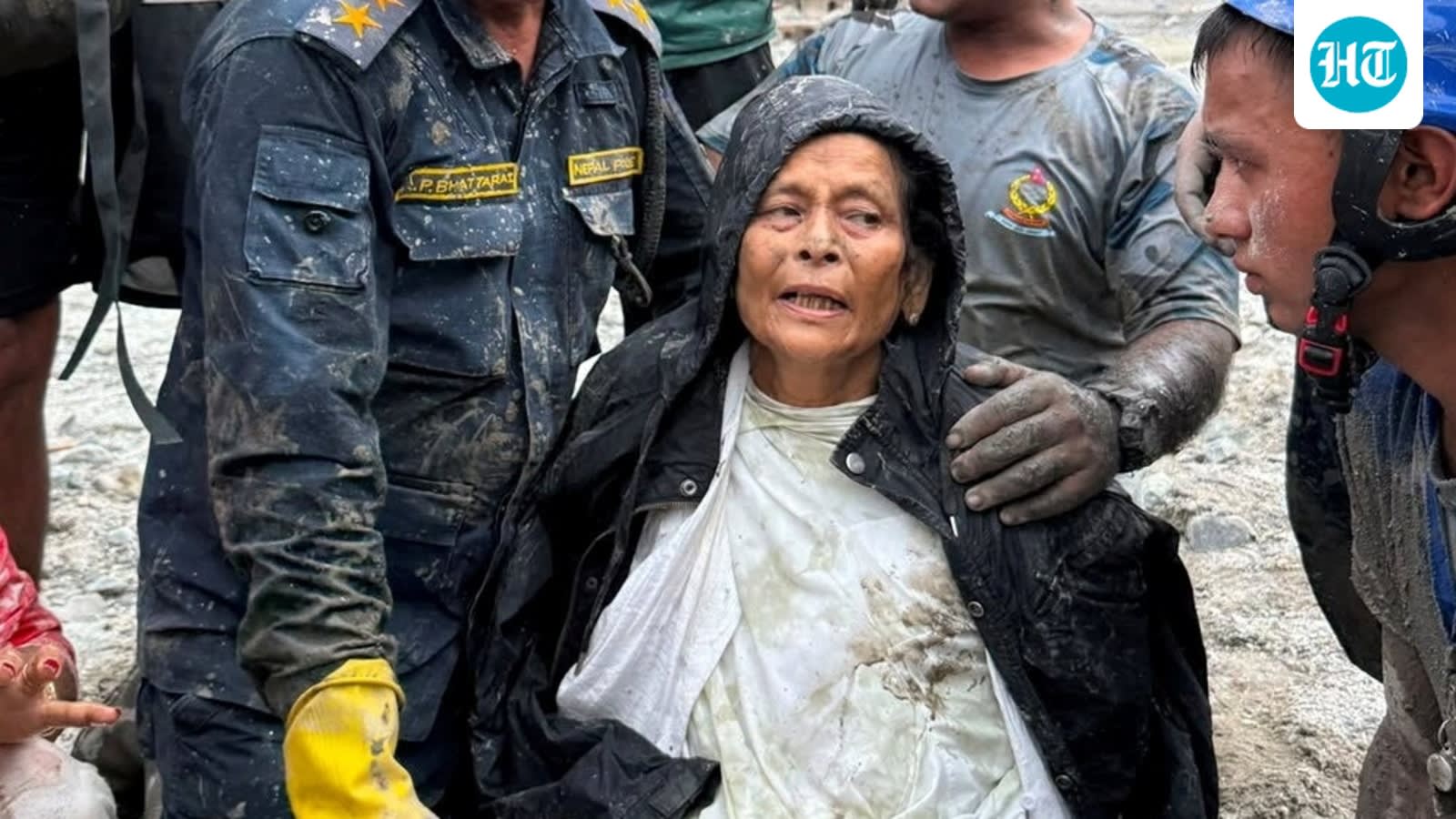
Catastrophic flooding and mudslides on the China-Nepal border have claimed over 1,385 lives, with thousands still missing. Despite the grim outlook, search teams continue to find rare survivors in the rubble, including a woman rescued after ten days.
A Border Devastated: The Scale of the Himalayan Crisis
The dual catastrophe of glacial collapse and subsequent mudslides along the China-Nepal border has resulted in a staggering loss of life, with at least 1,385 confirmed dead and more than 5,500 individuals currently missing. The disaster, which has devastated infrastructure across the region, has left entire towns, such as those near the Gyirong Port, unrecognizable. The destruction of homes, businesses, and essential border infrastructure highlights the extreme vulnerability of high-altitude settlements to sudden, large-scale geological shifts.
The Human Toll and the Search for Survivors
As the search operation enters its 12th day, the focus remains on the arduous task of excavating rubble in treacherous conditions. While the death toll continues to rise—reaching 43 on the Chinese side alone with hundreds still missing—there have been flashes of hope. The rescue of four survivors in recent days, including a 64-year-old woman in Betrawati who had been presumed dead for ten days, serves as a testament to the endurance of those trapped. These miraculous recoveries provide a brief, emotional reprieve amidst an otherwise grim recovery effort.
Challenges in the Hydropower Infrastructure
Energy Minister Biraj Bhakta Shrestha has highlighted the extreme difficulty of operating in the disaster zone, where geography, adverse weather, and a lack of connectivity hinder progress. A significant focus of the rescue efforts is directed toward hydropower tunnels, where authorities previously estimated over 100 workers could potentially be trapped. The structural integrity of these tunnels, combined with the debris from the mudslides, makes every excavation attempt a high-risk operation for the first responders.
Geopolitical and Logistical Tensions
Beyond the immediate physical danger, the disaster has strained communication between the affected nations. Relatives of the missing and international diplomats have expressed growing frustration with the lack of timely updates from Chinese authorities regarding the situation at the border crossings. This lack of transparency, coupled with the logistical nightmare of navigating the ruins of the Gyirong crossing, complicates the relief efforts and adds to the psychological burden placed on families waiting for word of their loved ones.
Future Outlook and Environmental Context
This event underscores the lethal intersection of climate-induced glacial instability and infrastructure development in the Himalayas. As search teams continue to utilize radar, heavy machinery, and manual labor to clear debris, the long-term outlook remains dire. The scale of the missing population suggests that the final death toll will likely rise significantly. Moving forward, this tragedy will likely trigger a re-evaluation of safety protocols for infrastructure projects built in high-risk zones, as well as a call for more robust international cooperation in monitoring Himalayan glacial stability.
Verification Required?