US strikes Iranian tankers near Kharg Island; Tehran threatens Gulf oil vessels
Source Entity
ABHISHEK MISHRA
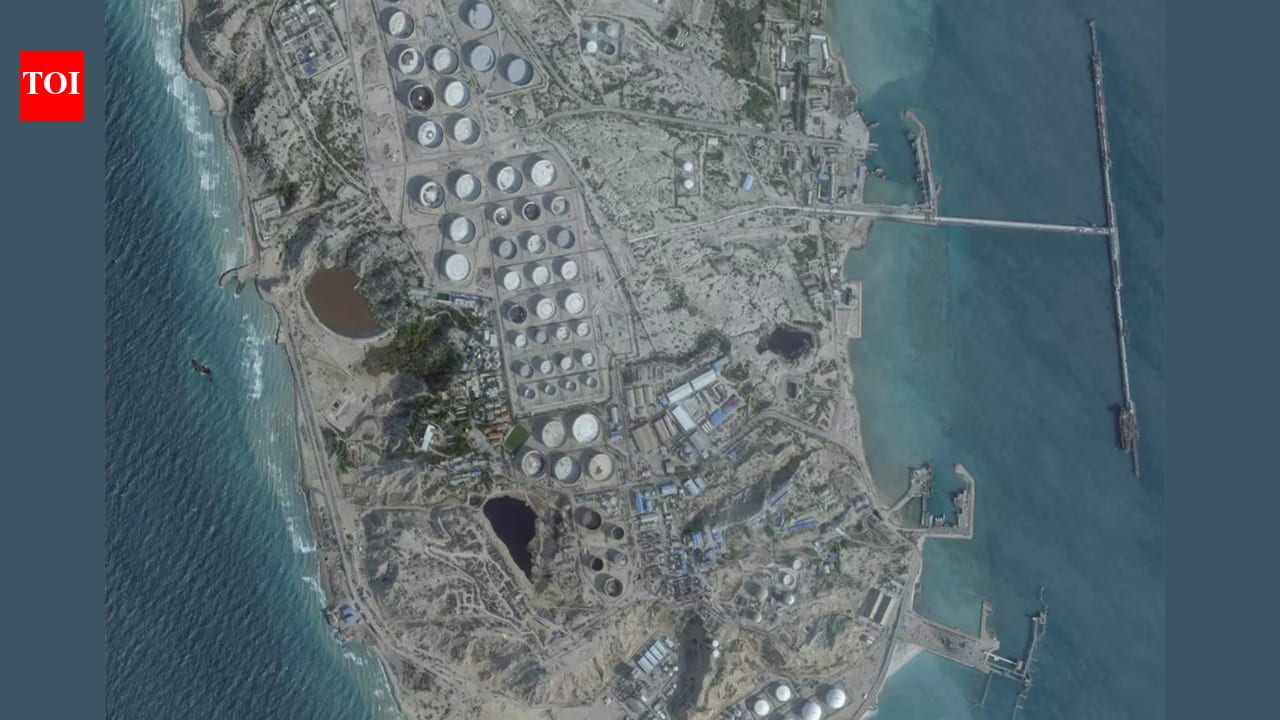
Tensions in the Persian Gulf have escalated following US military strikes on Iranian tankers near Kharg Island. Iran has retaliated by launching missile attacks on a US military base in Jordan, signaling a significant broadening of regional hostilities.
Escalation in the Persian Gulf: US-Iran Conflict Intensifies
The recent military engagement near Kharg Island marks a significant escalation in the ongoing geopolitical friction between Washington and Tehran. According to reports, US forces targeted multiple Iranian oil tankers linked to the Islamic Revolutionary Guard Corps (IRGC). This action was described by US officials as a defensive response following attempted missile attacks on a US Navy warship, highlighting the volatile nature of maritime security in the Persian Gulf.
The Strategic Importance of the Strait of Hormuz
These strikes occurred within the vital theater of the Strait of Hormuz, a critical chokepoint for global energy supplies. The US has been actively escorting commercial vessels through this waterway while maintaining a naval blockade of Iranian ports. By targeting tankers associated with the IRGC, the United States is signaling a shift toward direct disruption of Iran’s economic lifelines, specifically those used to project influence or fund regional operations.
Retaliatory Dynamics and Regional Reach
In a rapid and dangerous turn of events, the conflict has expanded beyond the maritime domain. Iran’s Revolutionary Guards confirmed that they launched missile strikes against a US military base in Jordan on Wednesday. This retaliation demonstrates that Tehran is not limiting its response to the maritime theater, choosing instead to project power into neighboring nations where US personnel are stationed, thereby broadening the geographic scope of the confrontation.
Economic and Military Implications
The targeting of Iranian tankers represents a calculated move to increase pressure on Tehran’s leadership. By linking the vessels to the IRGC, the US is attempting to diminish the financial capabilities of an organization that Washington identifies as a primary driver of regional instability. Conversely, the Iranian response suggests a strategy of 'cost imposition,' where Tehran seeks to make the presence of US military assets in the Middle East increasingly hazardous.
Future Trends and Regional Stability
Looking ahead, the potential for further escalation remains high. The cycle of maritime strikes followed by land-based missile retaliations creates a precarious situation that could draw in other regional actors. As the US intensifies its economic and military pressure, and as Iran demonstrates a willingness to strike US assets in third-party countries like Jordan, the risk of a miscalculation leading to a larger conflict grows significantly. Market volatility regarding oil prices and the security of regional shipping lanes will likely remain the primary concern for the international community in the coming weeks.