Experts worry about Nvidia's AI chip sales in China and influence over Trump
Source Entity
Ashley Belanger
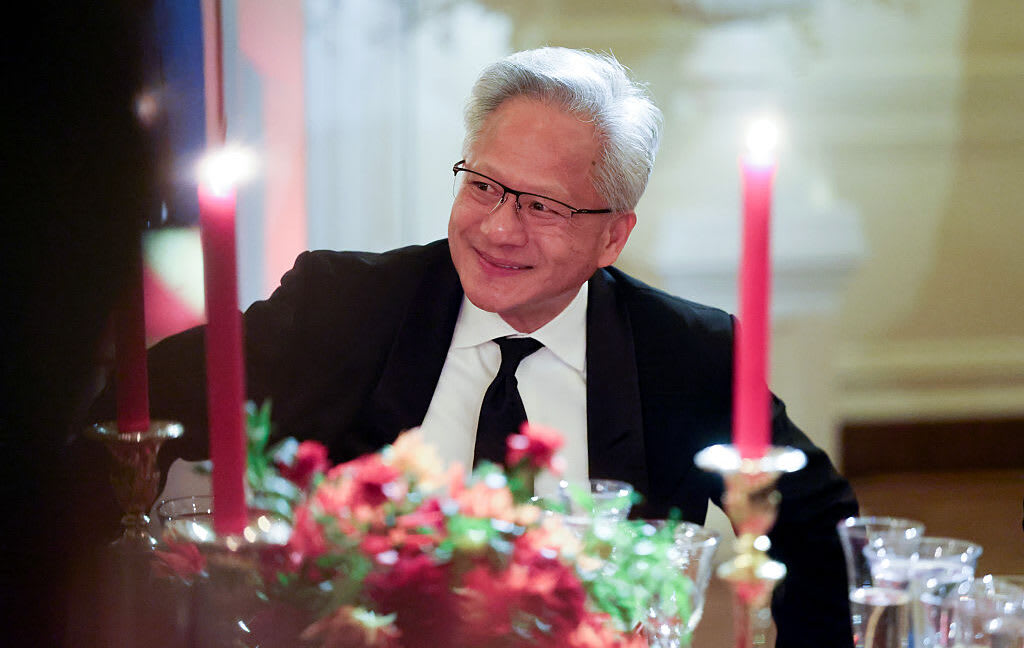
China is reportedly considering allowing major tech firms like ByteDance and Alibaba to import banned Nvidia AI chips. This potential shift comes amid ongoing trade tensions and fears of retaliatory export controls on rare earth minerals.
The Shifting Landscape of AI Semiconductor Trade
The recent diplomatic summit between Donald Trump and President Xi Jinping has left the status quo of AI regulation largely intact. Despite high-stakes discussions, export controls were notably absent from the agenda, highlighting a mutual hesitation to concede ground in the escalating technological race. This impasse has resulted in a fragile two-month extension of the current trade truce, leaving the global semiconductor market in a state of suspended animation.
China's Strategic Pivot on Nvidia Chips
Behind the scenes, the narrative is shifting significantly. Reports suggest that Beijing is considering a policy reversal, potentially allowing domestic giants such as ByteDance and Alibaba to resume the importation of banned Nvidia AI chips. For Nvidia, this represents a major potential win, as it would re-open access to one of the world's largest and most lucrative markets for high-performance computing hardware.
The Geopolitical Balancing Act
This development occurs against a backdrop of extreme geopolitical sensitivity. The potential influx of millions of chips into China suggests that Beijing is prioritizing its domestic AI capabilities over previous restrictive stances. However, this move is fraught with risk. The technological dependency on Nvidia’s hardware remains a point of contention for Chinese regulators who are simultaneously trying to foster indigenous chip development to insulate themselves from future US sanctions.
The Threat of Retaliatory Measures
Analysts remain cautious about the long-term stability of this arrangement. The looming threat of new US export controls creates a volatile environment where any shift in policy could trigger an immediate breakdown in trade relations. Specifically, there is significant concern that if the U.S. moves to tighten restrictions further, China may retaliate by restricting the export of rare earth elements, which are critical components in global electronics manufacturing.
Future Implications for Global Tech
Looking ahead, the tension between semiconductor supply chains and national security will likely define the tech sector for the next decade. If China successfully secures a steady supply of banned Nvidia chips, it could accelerate their AI development programs, effectively negating the impact of previous US export bans. Conversely, if the U.S. decides to enforce stricter compliance, the resulting trade war could disrupt global supply chains, affecting everything from cloud computing infrastructure to consumer electronics.
Conclusion
While the current situation appears to be a temporary tactical victory for Nvidia, it is merely one piece of a much larger, more complex strategic puzzle. The interplay between corporate profitability and national security remains the defining factor in this sector. As the two-month trade truce nears its end, the global market will be closely watching for signs of either a formal agreement on technology exports or the onset of a more aggressive, retaliatory trade conflict.