Why China is importing a record amount of gold — and what it means for prices
Source Entity
US Top News and Analysis
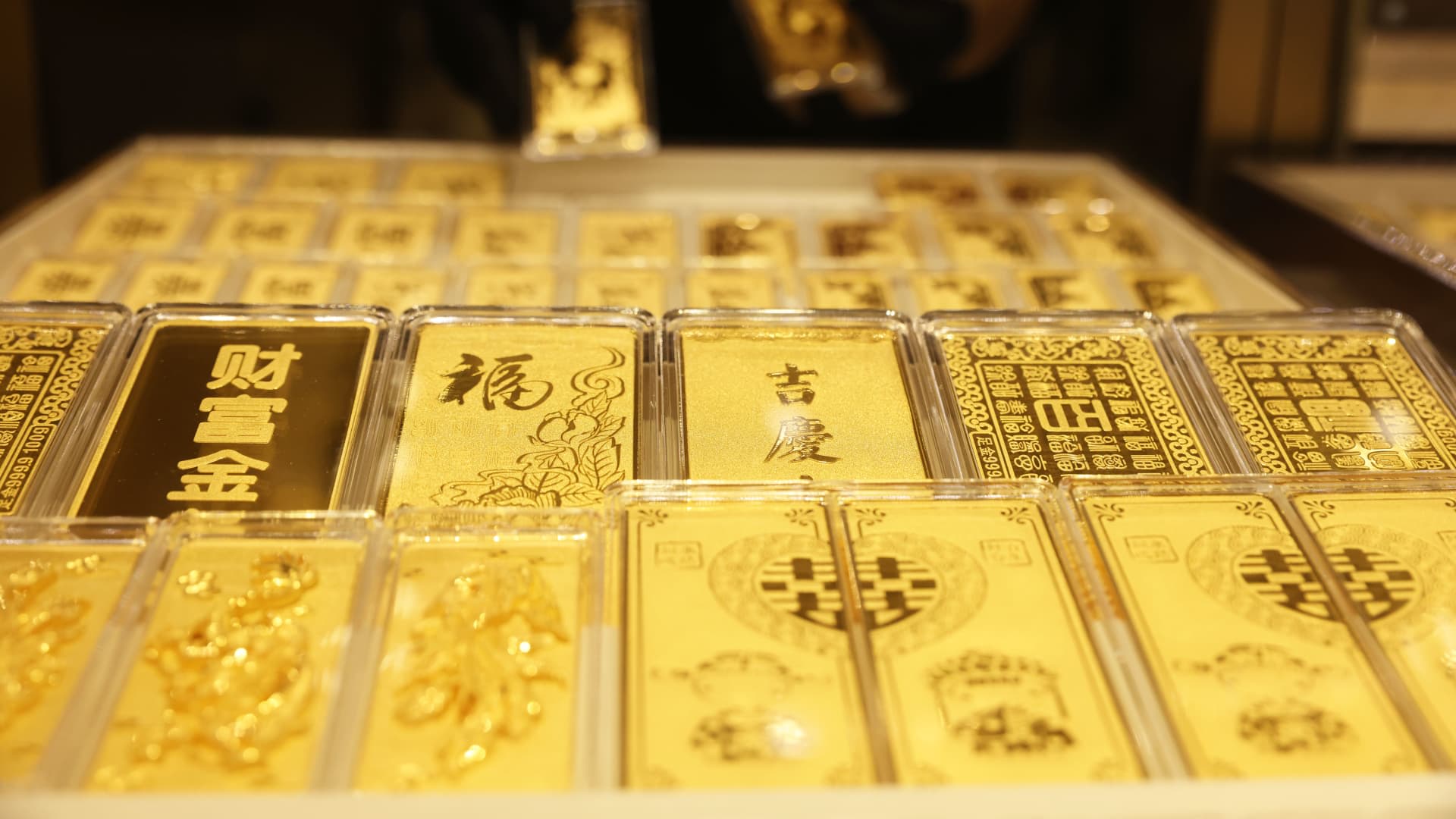
China is aggressively increasing its gold reserves to reduce dollar reliance and provide a stable asset for citizens. This historic buying streak reflects a broader effort to hedge against economic volatility.
The Strategic Shift: China’s Massive Gold Accumulation
China has embarked on a historic financial pivot, evidenced by its central bank’s decision to purchase gold for 23 consecutive months. This sustained buying spree, highlighted by a significant addition of 23 tonnes in September 2024, marks the longest streak of accumulation since at least 2015. By leveraging its foreign exchange reserves to bolster gold holdings, Beijing is signaling a clear intent to move away from traditional dollar-denominated assets.
De-dollarization and Geopolitical Hedging
The fundamental driver behind this trend is Beijing’s strategic push to reduce its systemic dependence on the U.S. dollar. As global geopolitical tensions rise, central banks worldwide are re-evaluating the risks associated with holding large portions of their reserves in a single currency. By increasing its gold bullion holdings, the People's Bank of China (PBOC) is effectively creating a financial firewall, diversifying its portfolio against potential sanctions or fluctuations in the global dollar-based financial system.
Domestic Economic Pressures
Beyond the state-level strategy, Chinese households are also flocking to gold as a primary safe-haven asset. In an economy currently grappling with structural challenges and limited investment alternatives, the precious metal serves as a reliable store of value. For the average Chinese citizen, gold jewelry and bullion represent a tangible hedge against inflation and the volatility seen in other domestic sectors, such as real estate.
The Impact of Record Imports
China is currently importing more gold than ever before, a trend that is fundamentally altering the global supply-demand dynamic. This insatiable appetite for physical bullion exerts upward pressure on global gold prices, as the market responds to the consistent and large-scale entry of the world’s second-largest economy. Analysts expect this demand to remain elevated as long as the current domestic economic landscape persists.
Future Trends and Market Outlook
Looking ahead, the combination of central bank policy and retail demand is likely to support gold prices for the foreseeable future. If Beijing continues its trend of diversifying its foreign exchange reserves, the global financial architecture may see a long-term shift in the role of gold as a reserve asset. This transition reflects a broader trend among emerging market economies to prioritize stability and sovereignty in their national balance sheets over the convenience of a dollar-pegged system.
Conclusion
In summary, China’s record-breaking gold buying represents a multifaceted strategy designed to secure national wealth against external geopolitical risks while providing a domestic safety net for its citizens. As China continues to integrate gold more deeply into its economic policy, the metal will likely remain a focal point of global financial markets, influencing everything from currency valuations to investment strategies worldwide.