Did China's Geological Disaster Dam Cause Floods In Nepal? Beijing Replies
Source Entity
NDTV News Search Records Found 1000
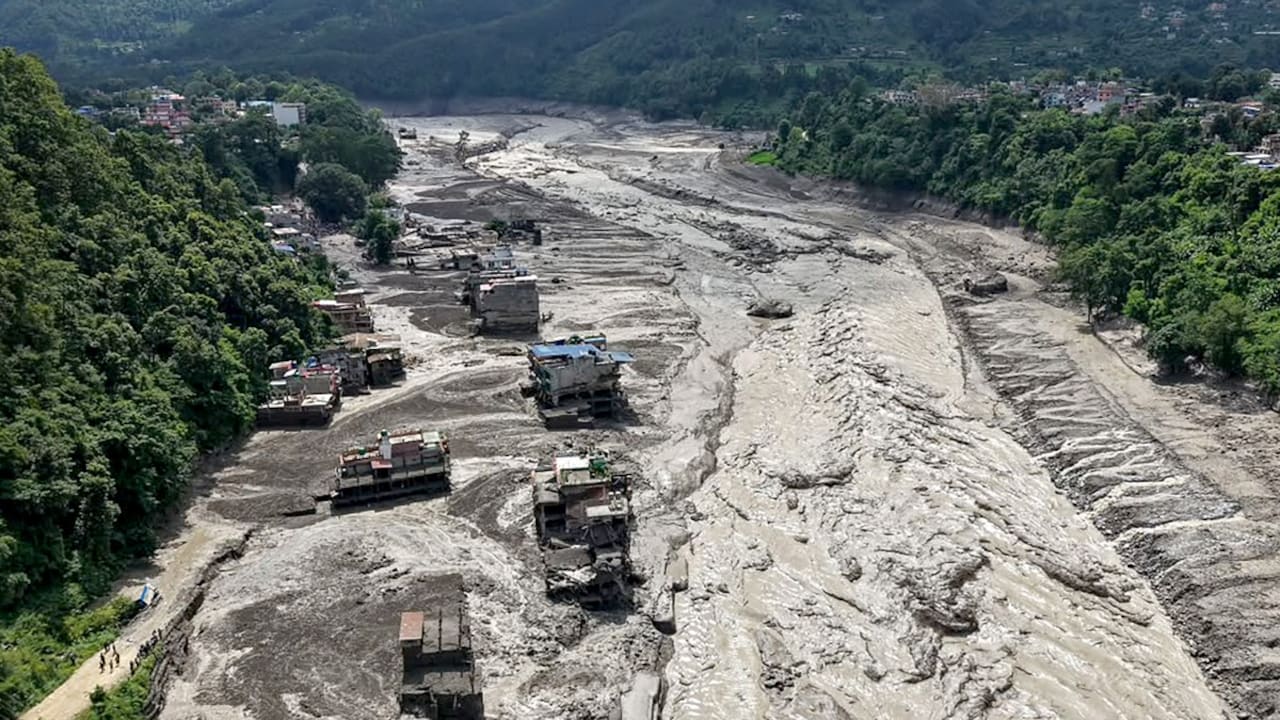
China has officially rejected claims that a man-made dam collapse on its territory caused devastating floods in Nepal, labeling the allegations as fake news. Instead, Beijing attributes the disaster to a natural glacial collapse on the Nepali side, while both nations face ongoing risks from unstable barrier lakes.
Tensions Rise Over Cross-Border Flooding Claims
Recent reports have highlighted a significant diplomatic and environmental rift between China and Nepal regarding the origins of catastrophic flooding in the border region. The core of the dispute centers on allegations that a "geological disaster dam" on the Chinese side of the border failed, leading to massive downstream devastation. Beijing has categorically rejected these claims, characterizing them as "fake news" and suggesting that such accusations do not contribute to regional stability or effective disaster management.
The Chinese Perspective on Natural Disasters
In its official statement, the Chinese embassy in Nepal provided an alternative narrative to the "dam collapse" theory. According to Beijing, the disaster originated on the Nepali side of the Gyirong-Rasuwagadhi border region on the morning of August 26. Chinese officials assert that an earthquake or a similar seismic event triggered a glacier collapse, which subsequently caused massive mudslides. This account emphasizes that the resulting casualties and missing persons were not the fault of infrastructure failure but were instead victims of a natural geological event that impacted both sides of the border.
Scientific Context: Glacial Lake Outbursts
Beyond the diplomatic rhetoric, scientific reports indicate that an avalanche of ice and rock—likely linked to a glacial lake outburst flood (GLOF)—played a critical role in the tragedy. Glacial lake outbursts are becoming an increasing concern in the Himalayas as rising temperatures destabilize ice masses and glacial moraines. The complexity of these terrain features makes distinguishing between a "geological disaster dam" and a naturally occurring barrier lake extremely difficult for local authorities, leading to conflicting reports during the immediate aftermath of a crisis.
The Threat of Barrier Lakes
Adding to the urgency is the ongoing monitoring of barrier lakes along the Tibet-Nepal border. Recent intelligence has suggested that a specific barrier lake could be at risk of breaching within a 72-hour window, prompting China to mobilize specialized fire and rescue teams from Beijing. This mobilization underscores the severity of the situation and the inherent danger posed by unstable terrain in high-altitude environments, regardless of the cause of the initial blockage.
Implications for Regional Cooperation
China’s closing statement, "Accusation helps nothing," reflects a desire to pivot from blame toward disaster mitigation. The situation highlights the critical need for improved transboundary cooperation in early warning systems and geological monitoring. As climate change continues to increase the frequency of such events in the Himalayas, the ability of neighboring nations to share accurate, real-time data will become the primary factor in preventing future loss of life.
Conclusion
The impasse between China and Nepal regarding the cause of the floods serves as a stark reminder of the geopolitical sensitivities surrounding shared Himalayan resources. While the debate over whether the disaster was caused by man-made infrastructure or natural glacial processes continues, the immediate priority remains the safety of populations living in the shadow of unstable barrier lakes. Moving forward, the region requires a unified scientific approach to monitor these risks to ensure that disaster response is based on empirical data rather than political conjecture.
Multiple Citing Sources
Verification Required?