Gone In Seconds: Nagaland Government Building Collapses Due To Landslide
Source Entity
NDTV News Search Records Found 1000
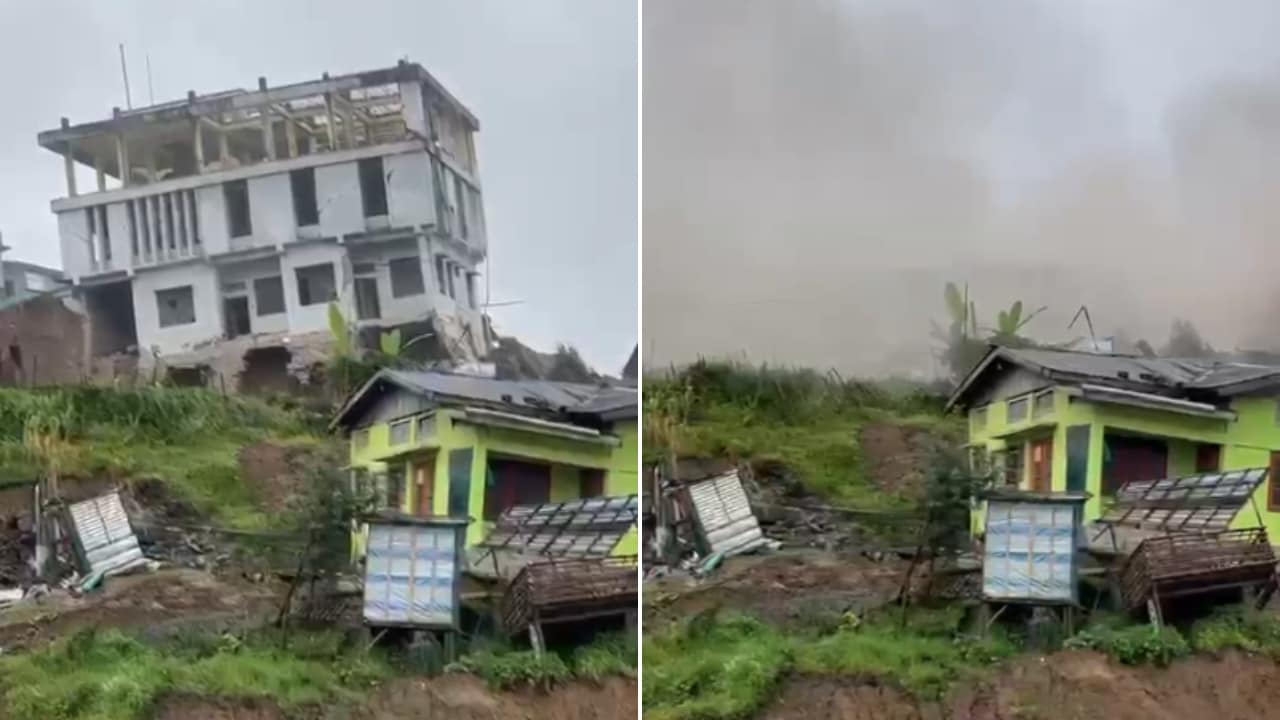
A government building in Nagaland collapsed following a landslide, despite having been previously identified as structurally unsafe. The incident highlights ongoing challenges with infrastructure stability in the region's mountainous terrain.
The Collapse of Infrastructure in Nagaland
A Preventable Structural Failure
Recent reports indicate that a government building in Nagaland has collapsed following a severe landslide. This event serves as a stark reminder of the vulnerability of infrastructure in high-risk zones, particularly when previous warnings regarding structural integrity are not met with immediate relocation or mitigation efforts. While the collapse was triggered by a landslide, the fact that the building was already declared unsafe suggests a breakdown in the transition from identifying structural hazards to implementing emergency evacuation and demolition protocols.
The Geography of Risk
Nagaland, characterized by its rugged, mountainous terrain and significant seismic activity, presents unique challenges for urban planning and construction. The state’s geological composition often makes it susceptible to soil instability, which is exacerbated during heavy rainfall or seismic events. When public buildings are constructed on unstable slopes without rigorous, site-specific geotechnical assessments, the risk of catastrophic failure increases significantly, turning standard weather events into potential disasters.
Challenges in Maintenance and Oversight
Declaring a building 'structurally unsafe' is a critical bureaucratic step, but it is only the first phase of disaster risk reduction. The collapse underscores a systemic issue in administrative safety management: the difficulty of decommissioning older public structures in challenging environments. Once a building is flagged, the lack of immediate alternative space or funding for demolition often leaves staff and citizens occupying high-risk zones, creating a dangerous 'wait-and-see' environment that ultimately led to this collapse.
Broader Implications for Regional Safety
This incident necessitates a wider audit of government infrastructure across the northeastern Indian region. Many legacy buildings in Nagaland were constructed before modern seismic codes were strictly enforced, meaning that thousands of structures may currently be sitting in similar high-risk categories. The failure of this specific building should act as a catalyst for local authorities to prioritize the structural audit of all public facilities located on slopes or reclaimed land, ensuring that safety declarations are followed by active decommissioning.
Future Trends and Resilience
Moving forward, the Nagaland government must integrate real-time landslide monitoring systems and better land-use planning to prevent such occurrences. Future construction trends in the region must shift toward resilient architecture that accounts for soil movement and extreme weather. By investing in proactive maintenance and strictly enforcing the abandonment of condemned structures, the state can mitigate the loss of property and, more importantly, protect the lives of those who work within its government facilities.
Verification Required?