Entire US warship crew on Thailand 'vacation' after 'defeat' in Iran war? Trump mocked over move
Source Entity
Latest News: Todays Latest News Headlines from India & World | Hindustan Times | Hindustan Times
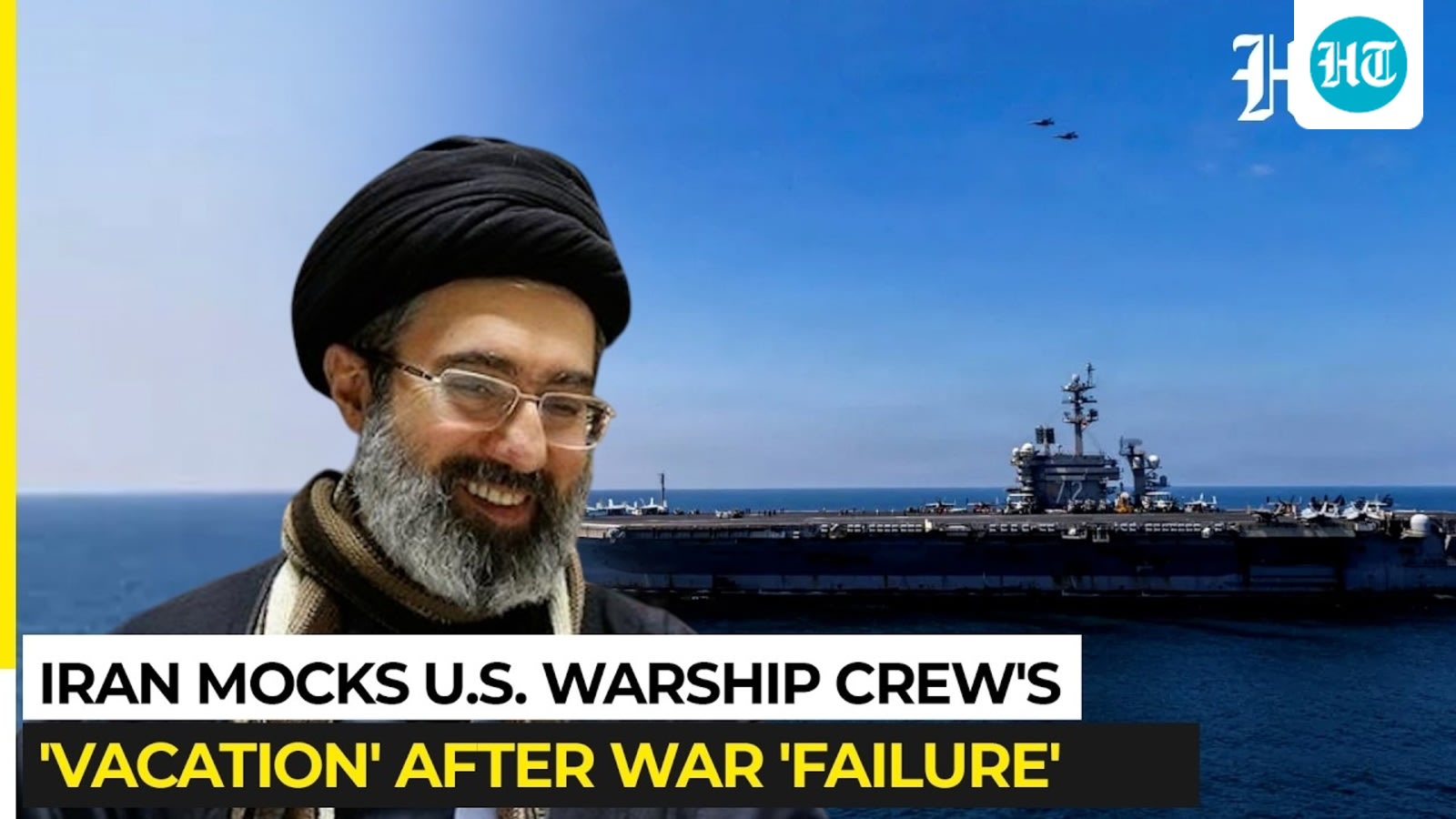
Iran is ridiculing the USS Abraham Lincoln’s scheduled stop in Thailand following a lengthy 260-day deployment in the Middle East. Tehran officials are framing the port call as a sign of exhaustion and military failure, dubbing the rest period 'Project Vacation.'
Strategic Posturing and Information Warfare
The recent diplomatic jabs from the Iranian Foreign Ministry regarding the USS Abraham Lincoln highlight the ongoing information warfare that accompanies modern military operations. By labeling the aircraft carrier’s scheduled port visit to Thailand as 'Project Vacation,' spokesperson Esmail Baghaei is attempting to reshape the narrative of the ship’s 260-day deployment. This rhetoric seeks to portray the U.S. presence in the Middle East not as a projection of strength, but as a taxing and ultimately ineffective endeavor, leveraging social media memes to influence public perception both domestically and internationally.
The Reality of Extended Naval Deployments
Beyond the political theater, the USS Abraham Lincoln’s movement reflects the immense logistical and human toll of sustained naval operations. A deployment exceeding 260 days is a significant strain on both equipment and personnel. In modern naval doctrine, 'rest and recovery' stops are not signs of defeat, but essential maintenance cycles required to ensure the operational readiness of the crew and the mechanical longevity of the vessel. The Iranian characterization intentionally ignores these standard military procedures to serve a specific propaganda objective.
Geopolitical Symbolism in the Middle East
The Middle East remains a volatile theater where symbolism often carries as much weight as kinetic action. By framing the departure of the carrier as a result of an 'unsuccessful campaign,' Iran aims to bolster its regional standing and project an image of resilience against U.S. pressure. This narrative is designed to signal to regional allies that the American military presence is finite and susceptible to exhaustion, potentially encouraging more assertive Iranian foreign policy in the coming months.
The Role of Digital Diplomacy and Satire
The use of memes by state actors like the Iranian Foreign Ministry represents a significant shift in diplomatic communication. This approach bypasses traditional channels, opting instead for viral content that can easily be shared and interpreted through a critical lens. By mocking the U.S. military transition from active duty to a port visit, Iran is utilizing satire to diminish the perceived prestige of U.S. naval power, turning a routine logistical stop into a public relations victory in their own information ecosystem.
Future Trends in Naval Deterrence
As the U.S. continues to manage global security commitments with a finite number of carrier strike groups, the tension between operational tempo and crew welfare will only increase. Future trends suggest that adversaries will continue to monitor these deployment cycles closely, waiting for signs of fatigue to launch their own strategic messaging campaigns. The USS Abraham Lincoln incident serves as a case study in how routine military logistics are increasingly being weaponized in the digital age, forcing military leaders to consider the 'narrative cost' of their movements alongside the tactical ones.
Conclusion
Ultimately, while Iran’s mockery of the USS Abraham Lincoln’s Thailand stop is rooted in political theater rather than military reality, it underscores the importance of strategic communications in the modern geopolitical landscape. The 260-day deployment of the carrier was a significant show of force, yet it is currently being overshadowed by a calculated effort to redefine the mission's legacy. As both nations continue to navigate this complex environment, the battle for perception will remain as critical as the battle for physical influence in the region.
Verification Required?