China is chasing SpaceX and setting its sights on the global space economy
Source Entity
William Gavin
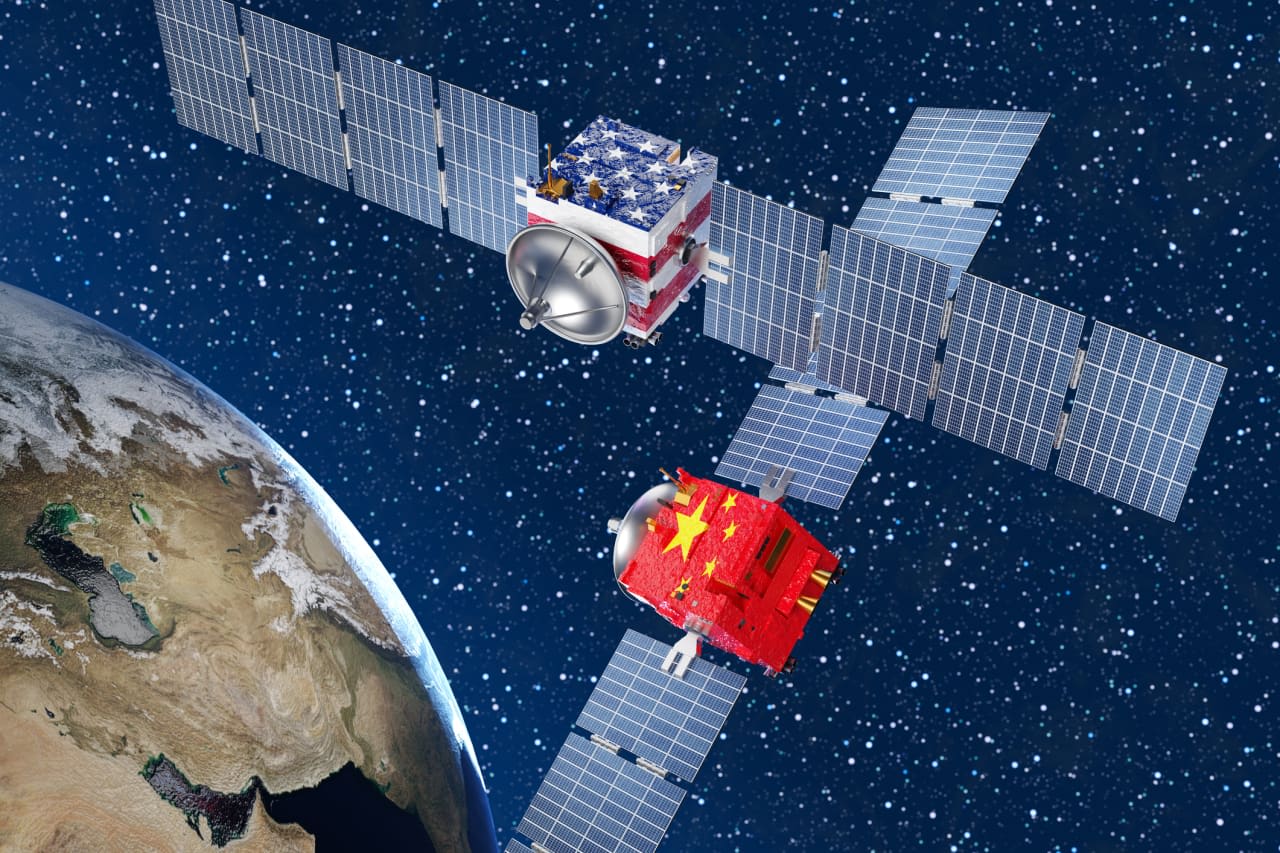
China's burgeoning space-technology sector is rapidly advancing to challenge SpaceX's market dominance. Experts highlight a strategic push by Chinese firms to capture a larger share of the emerging global space economy.
The Rapid Rise of China's Commercial Space Sector
Recent industry analysis indicates that China’s space-technology sector is undergoing a massive transformation, moving from state-led initiatives to a competitive market capable of challenging the dominance of Elon Musk’s SpaceX. This evolution marks a significant shift in the global space landscape, as Chinese firms are increasingly focusing on technological parity and cost-efficiency to close the gap with Western private space leaders.
Strategic Objectives and Global Ambitions
The core of China's strategy involves scaling up its domestic space industry to not only support national infrastructure but to compete for global contracts. By leveraging a blend of state backing and private sector agility, these companies are aiming to provide viable alternatives for satellite deployment and logistics. The goal is clear: to secure a substantial footprint in the multi-billion dollar global space economy that has historically been dominated by U.S.-based entities.
Closing the Competitive Gap
SpaceX has long held a competitive edge through its reusable rocket technology and high-frequency launch cadence. However, Chinese space-technology players are now rapidly iterating on their own launch vehicle designs and satellite constellations. Experts suggest that as these Chinese firms optimize their supply chains and engineering processes, the barrier to entry for international clients looking for launch services may lower, potentially disrupting current market pricing models.
Broader Implications for the Space Economy
The race to capture the global space economy is no longer a solo performance by the United States. As China advances its capabilities, the international space market is becoming more multipolar. This competition is likely to accelerate innovation, as both SpaceX and its Chinese counterparts are incentivized to reduce costs and improve reliability to maintain their market positions in an increasingly crowded orbital environment.
Future Trends and Market Dynamics
Looking ahead, the next decade will likely be defined by a 'space race' between private and state-backed entities rather than just national governments. As China continues to invest heavily in deep-tech and orbital infrastructure, we can expect a surge in specialized space services. The success of these Chinese players will depend on their ability to achieve the same level of trust and operational efficiency that SpaceX has established with global commercial and governmental partners.
Conclusion
In summary, the emergence of a robust Chinese commercial space sector represents a pivotal moment for the industry. While SpaceX remains a formidable leader, the closing gap in technology and capacity suggests that the global space economy is entering a new, highly competitive era. This shift will force all stakeholders to innovate faster and rethink their strategies for long-term dominance in the final frontier.
Verification Required?