China's Brahmaputra mega dam: Can it control river water flowing into India?
Source Entity
AYUSH PANDEY
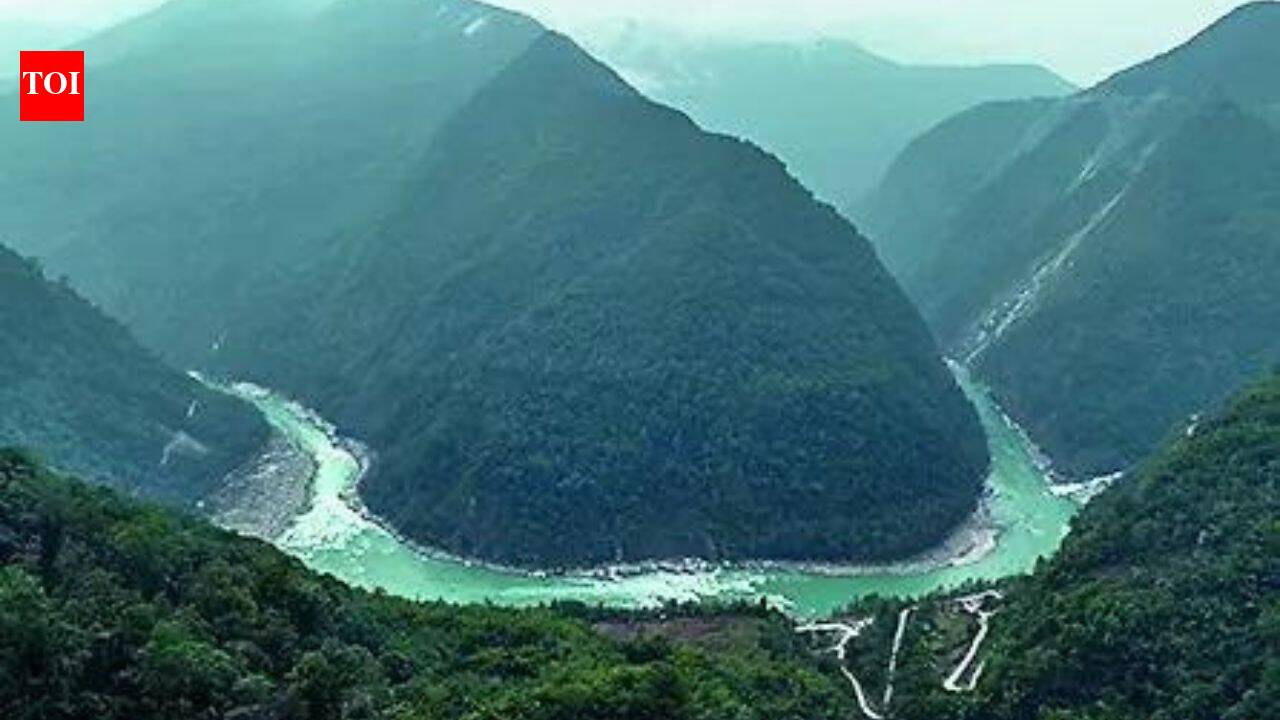
China is constructing a massive hydropower project on the Yarlung Tsangpo River, leading to significant water security and ecological concerns for downstream India, which is responding by accelerating its own hydropower infrastructure.
The Geopolitical Struggle Over the Yarlung Tsangpo
The construction of a mega-dam by China on the Yarlung Tsangpo River—known as the Brahmaputra in India—represents more than just an energy project; it is a flashpoint of geopolitical tension between two nuclear-armed neighbors. The Yarlung Tsangpo is one of the most powerful rivers in the world, carving through the Tibetan Plateau before entering India. For China, the project is a means of achieving energy independence and harnessing the immense hydroelectric potential of the river's steep descent. However, for India, this represents a strategic vulnerability, as the dam grants China significant control over the water flow that sustains millions of people in Northeast India and Bangladesh.
Ecological Risks and Downstream Stability
One of the primary concerns regarding the mega-dam is the potential for ecological instability. Large-scale hydropower projects often lead to sediment trapping, which can deplete the nutrient-rich silt that naturally fertilizes the floodplains of the Brahmaputra valley. Furthermore, the alteration of natural flow patterns can trigger devastating consequences for biodiversity and agriculture. Experts warn that the dam could lead to unpredictable water levels—causing severe droughts during lean seasons or catastrophic flooding if water is released suddenly during the monsoon. This ecological volatility threatens the food security and livelihoods of the agrarian populations in Assam and Arunachal Pradesh.
The 'Water Weapon' and Strategic Anxiety
From a strategic perspective, India views the dam through the lens of 'water hegemony.' As the upper riparian state, China possesses the physical capability to divert water or restrict its flow during times of diplomatic conflict. While China maintains that its projects are for power generation and not water diversion, the lack of a formal, binding water-sharing treaty between the two nations exacerbates India's anxiety. Historically, water has been used as a tool of leverage in regional disputes, and the possibility of China using the river as a 'water weapon' during border standoffs—such as those seen in the Galwan Valley—remains a critical concern for Indian security analysts.
India's Strategic Counter-Response
In response to China's upstream activities, India has shifted its own policy from cautious observation to active infrastructure development. The Indian government is accelerating the construction of its own hydropower projects in Arunachal Pradesh to establish 'prior appropriation' rights over the water. By building storage reservoirs, India aims to regulate the flow of the river within its own borders, mitigating the impact of any sudden releases or restrictions from the Chinese side. This 'tit-for-tat' infrastructure race highlights a transition from diplomatic negotiation to a physical competition for resource control, mirroring the broader territorial disputes along the Line of Actual Control (LAC).
Historical Context and the Third Pole
The Tibetan Plateau, often referred to as the 'Third Pole,' serves as the water tower for Asia, feeding the Indus, Ganges, and Brahmaputra. Historically, the management of these waters has been fragmented, with China rarely sharing comprehensive hydrological data except during specific windows. The current mega-dam project is the culmination of a long-term Chinese strategy to dominate the plateau's resources. This historical trend of unilateral action has eroded trust, making it increasingly difficult for India and China to reach a cooperative framework for river basin management, despite the shared threat of climate change affecting the glaciers that feed these rivers.
Future Outlook: Conflict or Cooperation?
Looking ahead, the Brahmaputra issue will likely remain a central pillar of Sino-Indian relations. As climate change accelerates glacial melt in the Himalayas, the volume and timing of river flows will become even more erratic, increasing the urgency of water management. The future may hold two paths: a descent into 'water wars' where infrastructure is used as a tool of coercion, or a shift toward a multilateral treaty that includes Bangladesh as a downstream stakeholder. Given the current geopolitical climate, the more likely immediate trend is a continued arms race of dams, where water security is inextricably linked to national sovereignty and military strategy.
Summary
China's hydropower ambitions on the Yarlung Tsangpo have transformed a natural resource into a strategic asset. The resulting tension forces India to balance ecological preservation with national security, leading to a reciprocal build-up of infrastructure. Without a transparent, treaty-based mechanism for water sharing, the Brahmaputra remains a volatile variable in the complex relationship between Asia's two giants.