3 Chinese satellites scanned India’s western coast during Op Sindoor: Report
Source Entity
SURENDRA SINGH
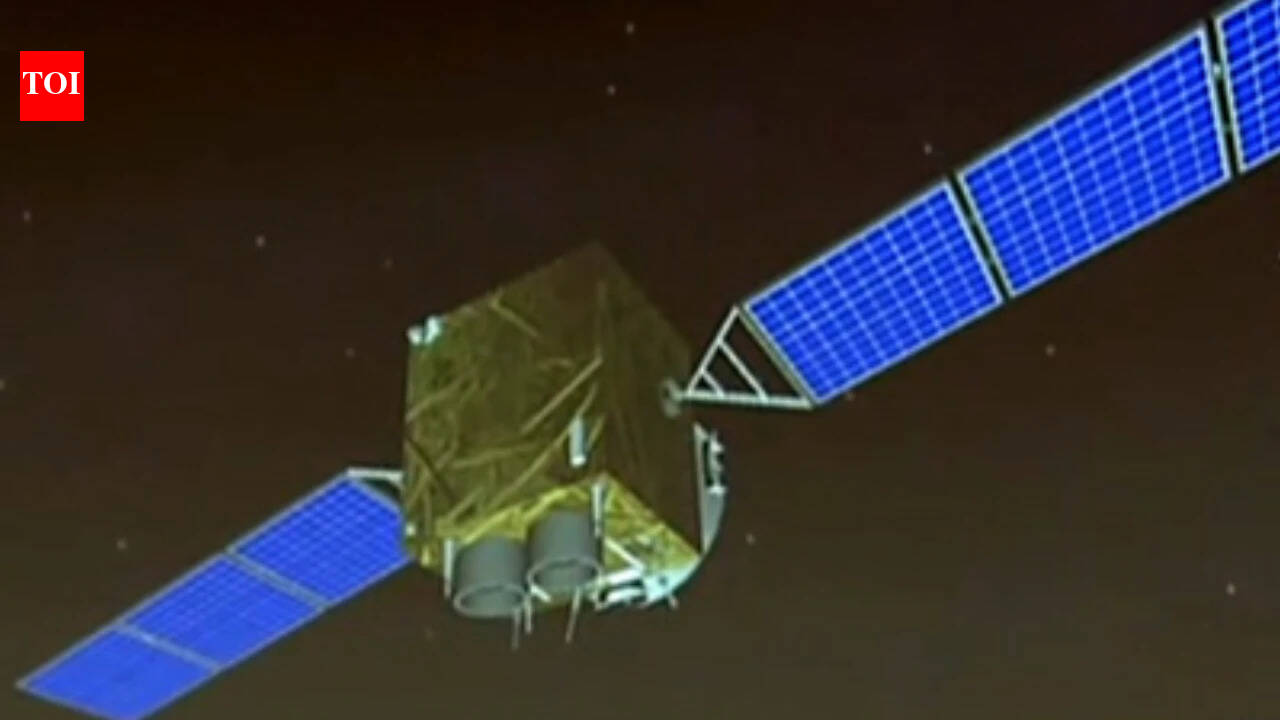
In 2022, three Chinese surveillance satellites conducted targeted monitoring of India's western coast and strategic infrastructure during Operation Sindoor. This incident highlights growing concerns over space-based intelligence gathering and the vulnerability of critical national assets.
Strategic Surveillance: The 2022 Operation Sindoor Incident
During the 2022 period known as Operation Sindoor, India experienced a significant uptick in foreign intelligence activities directed at its western maritime flank. Reports indicate that three Chinese surveillance satellites were deployed to meticulously monitor the coastline of Gujarat. This maneuver was not merely routine orbital transit; it was a deliberate, calculated effort to observe sensitive military installations and critical energy infrastructure located within a high-security zone.
Targeting Critical Infrastructure
The focus of this aerial surveillance was particularly alarming due to the specific assets being tracked. Among the facilities monitored was the Jamnagar refinery, a massive industrial complex owned by Reliance Industries. By targeting such a vital node in India's energy grid, the surveillance operation demonstrated an intent to map not just military readiness, but the economic resilience and vulnerability of India’s industrial backbone during periods of geopolitical friction.
Orbital Maneuvers and Tactical Precision
What sets this event apart from standard satellite imagery acquisition is the tactical adjustment of the satellites' orbits. By actively modifying their flight paths, the Chinese operators optimized their sensors to maximize dwell time and resolution over Gujarat. This focused observation, which peaked during a four-day window of heightened regional tensions, suggests a high level of operational coordination aimed at gathering real-time intelligence on Indian military movements and defensive posture.
Broader Geopolitical Implications
The use of space-based assets to conduct intelligence, surveillance, and reconnaissance (ISR) during moments of diplomatic or military tension is becoming a hallmark of modern statecraft. This incident underscores the shift toward the 'securitization' of outer space, where satellite constellations are increasingly utilized as frontline tools for power projection. For India, this highlights the urgent necessity to bolster its own space-based defensive capabilities and rapid-response monitoring systems to counter high-resolution surveillance from adversarial powers.
Historical Context and Future Trends
This incident is part of a growing pattern of intensified aerial and space surveillance along the Indo-Pacific region. As nations increasingly rely on dual-use satellite technology, the line between commercial imaging and military reconnaissance continues to blur. Future trends suggest that nations will likely invest more heavily in 'counter-space' capabilities, such as satellite maneuverability for evasion, signal jamming, and enhanced ground-based monitoring of orbital threats. The Operation Sindoor episode serves as a cautionary tale for regional security, emphasizing that the theater of conflict now extends far beyond land and sea, reaching deep into the orbital domain.