Thanksgiving travel faces double weather threat as East Coast storm, Bay Area flooding raise concern
Source Entity
Latest News: Todays Latest News Headlines from India & World | Hindustan Times
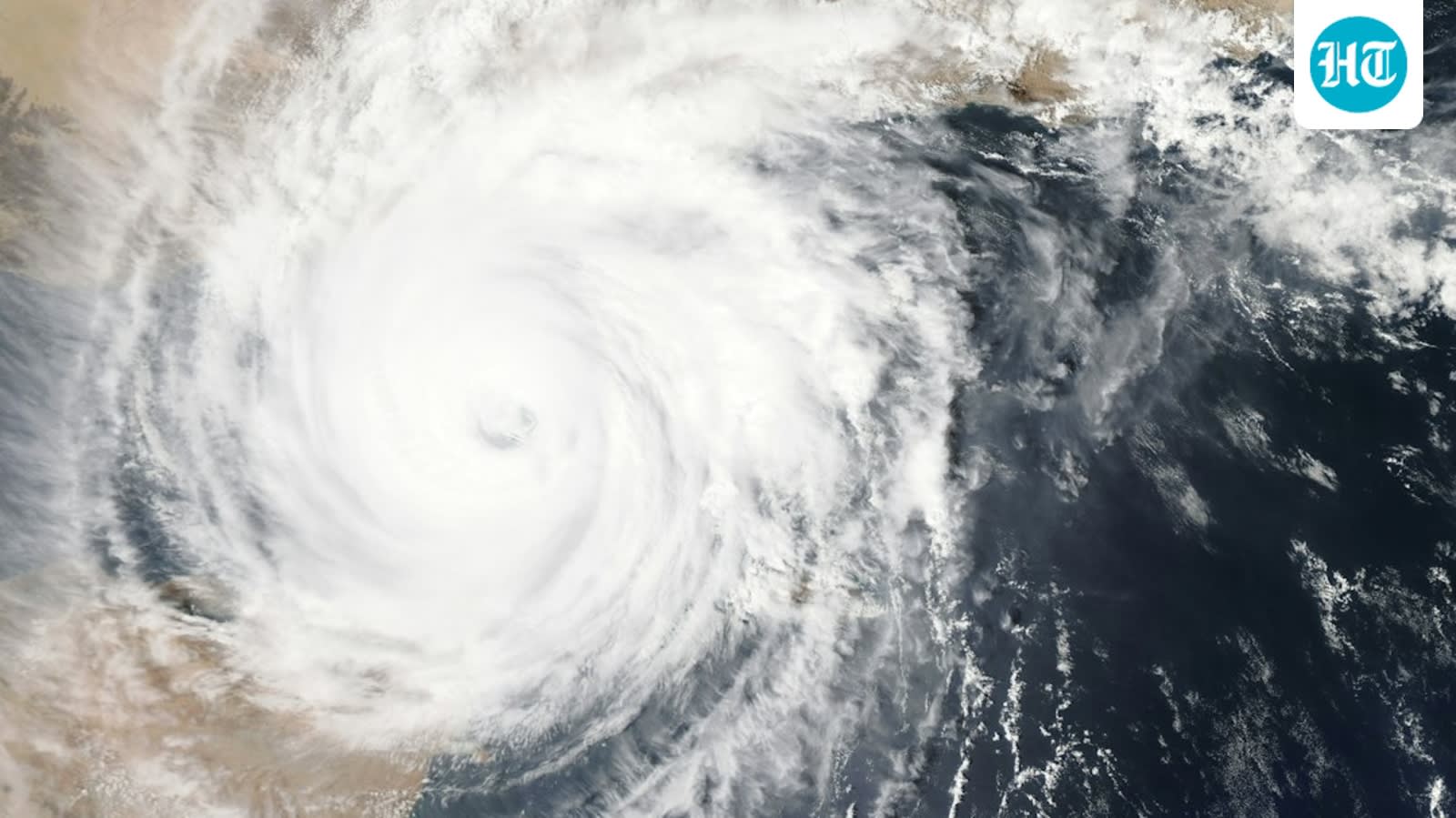
Millions of Americans face travel disruptions this Thanksgiving due to concurrent severe weather systems on both the East and West Coasts. A powerful coastal storm is expected to bring rain and wind to the Northeast, while the San Francisco Bay Area deals with separate flooding risks.
Thanksgiving Travel Disrupted by Dual Weather Systems
As millions of Americans prepare to traverse the country for the Thanksgiving holiday, a significant meteorological challenge has emerged. Two distinct and powerful weather systems are converging on the nation’s coastal regions, threatening to complicate what is historically one of the busiest and most stressful travel periods of the year. The situation is particularly precarious as these systems are expected to impact major transit hubs simultaneously.
The Northeast Coastal Storm
In the U.S. Northeast, a strengthening coastal storm is forecast to make its presence felt exactly on Thanksgiving Day. Meteorologists are tracking a system that promises to deliver a combination of heavy rainfall and damaging wind gusts. This poses a direct threat to both ground transportation and air travel, as airlines often implement ground stops or experience significant delays when wind speeds exceed safety thresholds for maneuvering aircraft on tarmacs. Travelers are advised that while the early part of the week—specifically through Tuesday and much of Wednesday—remains relatively dry, the window for seamless travel closes rapidly as the holiday approaches.
West Coast Flooding Concerns
Simultaneously, the San Francisco Bay Area in California is contending with its own weather-related volatility. While distinct from the Atlantic-side storm, the threat of flooding in the Bay Area introduces a secondary layer of complexity to national travel logistics. Regional infrastructure, including coastal highways and local transit networks, may face disruptions that ripple outward, affecting those attempting to reach major international airports for holiday departures. This geographic split in weather threats highlights the vulnerability of the national transportation grid during peak seasonal demand.
Broader Implications for Logistics
The convergence of these storms underscores the fragility of modern travel logistics. When major weather events strike during high-volume periods, the cascading effect on flight schedules is disproportionate. A delay in one hub often leads to crew displacement and aircraft shortages in others, turning a localized weather event into a nationwide operational challenge. For travelers, this means that even those not flying directly into storm-affected zones may experience significant itinerary shifts due to the domino effect of systemic delays.
Historical Context and Future Trends
Historically, Thanksgiving travel has always been subject to the unpredictable nature of late-autumn weather patterns. However, the increasing frequency of intense coastal storms and atmospheric events requires travelers to adopt a more cautious approach to holiday planning. As climate patterns continue to shift, the predictability of seasonal travel windows is shrinking, forcing airlines and passengers alike to rely on more robust contingency planning. Future trends suggest that travelers will need to build in greater buffers, prioritizing flexibility over rigid itineraries.
Conclusion
In summary, the confluence of a powerful Northeast coastal storm and Bay Area flooding serves as a stark reminder of the limitations of modern travel against the backdrop of volatile weather. With heavy rain, strong winds, and potential coastal flooding on the horizon, the Thanksgiving travel week will require high levels of vigilance. Travelers are encouraged to monitor forecasts closely and remain prepared for potential schedule adjustments to ensure a safe, albeit potentially delayed, arrival at their holiday destinations.
Verification Required?