Gangajal from Triveni, Rudraksh and Chandan: PM Modi, Nepal PM exchange gifts
Source Entity
AADRITA HALDER
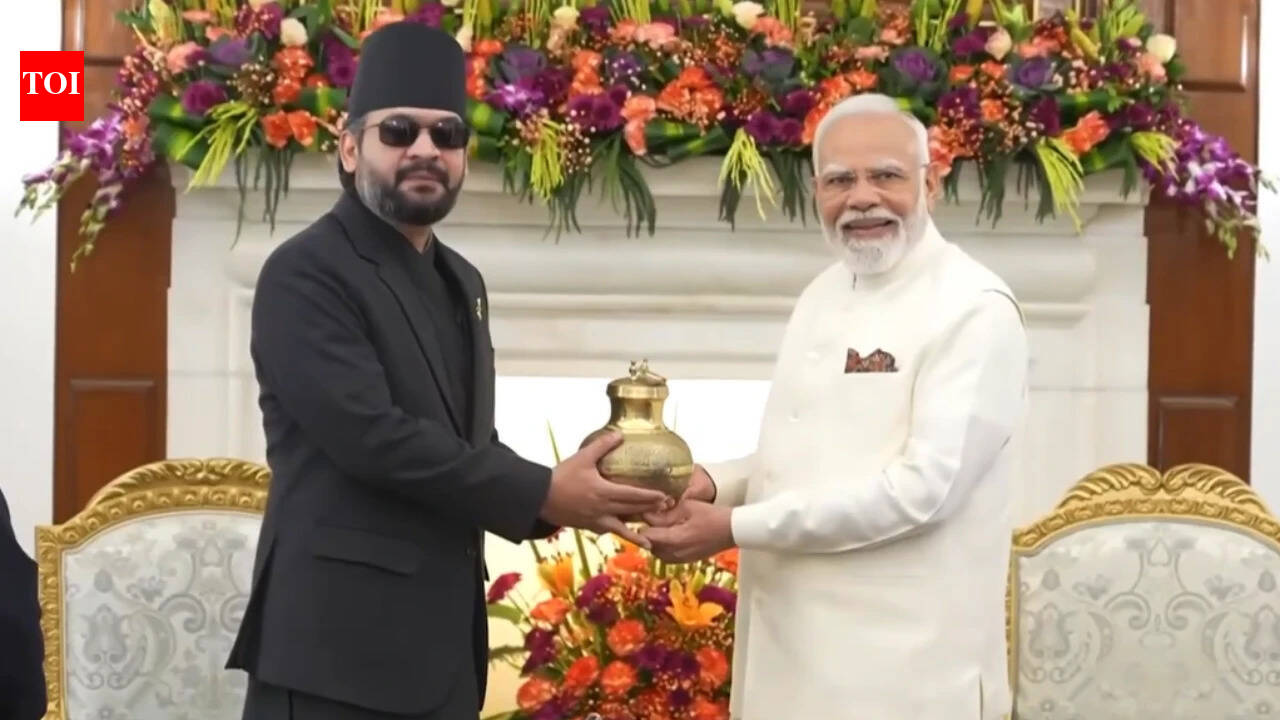
India has officially denied reports claiming it requested Nepal's airspace for military flights ahead of Nepal PM Balendra Shah's state visit to New Delhi. The visit focuses on strengthening bilateral ties through high-level diplomatic discussions between Prime Ministers Modi and Shah.
Diplomatic Clarification Amid High-Level State Visit
Recent reports circulating in the media suggested that India had submitted a proposal seeking access to Nepal’s airspace for military flights, specifically referencing military usage near Bagdogra. These claims have been officially dismissed as false by government sources, who confirmed that no such proposal exists. This clarification is critical as it prevents the misinterpretation of military logistics during a period of sensitive and high-level diplomatic engagement between New Delhi and Kathmandu.
The Context of the India-Nepal Diplomatic Dialogue
The clarification coincides with the significant state visit of Nepal’s Prime Minister, Balendra Shah, to India. As part of his maiden visit, PM Shah is scheduled to engage in extensive bilateral talks with Prime Minister Narendra Modi. This meeting serves as a platform to review the full spectrum of India-Nepal relations, addressing both long-standing historical ties and emerging regional challenges. The timing of the denial regarding airspace usage ensures that the narrative remains focused on cooperative development rather than speculative security friction.
Strategic Agenda and High-Level Meetings
Beyond the primary meeting with PM Modi, the itinerary for the Nepalese delegation is robust. PM Shah is set to meet with External Affairs Minister S. Jaishankar and will pay a courtesy call to President Droupadi Murmu. These meetings are intended to foster deeper cooperation on regional issues and global concerns of mutual interest. The presence of high-ranking officials, including Nepal’s Foreign Affairs Minister Shishir Khanal, Finance Minister Swarnim Wagle, and Chief Advisor Kumar Byanjankar, underscores the importance of this visit in solidifying bilateral connectivity and economic partnerships.
Addressing Misinformation in Bilateral Relations
In the era of rapid information dissemination, the prompt dismissal of the alleged military airspace proposal serves as a necessary stabilizing force. By explicitly stating that no such proposal was ever made, the Indian government has signaled a commitment to transparency. This prevents the potential for regional alarmism and keeps the focus of the diplomatic mission on constructive dialogue, such as improving air connectivity and economic collaboration.
Future Implications for Regional Connectivity
Looking ahead, the focus of the India-Nepal relationship remains anchored in mutual development. As the leaders discuss air connectivity and bilateral infrastructure, the resolution of these false claims regarding military airspace allows for a more productive discourse. The visit of PM Balendra Shah represents a pivotal moment to reset and strengthen the socio-political bonds between the two nations, ensuring that any future discussions on regional security are conducted through official, verified, and transparent channels.
Conclusion
The state visit of Prime Minister Balendra Shah to India is a testament to the enduring relationship between the two neighbors. By swiftly correcting the record regarding military airspace, both nations have cleared the path for a productive summit. As the delegation engages in talks with Prime Minister Modi and other senior Indian officials, the emphasis remains squarely on strengthening ties, fostering regional stability, and enhancing cooperation for the mutual benefit of both countries.
Multiple Citing Sources