Inside India newsletter: Chip squeeze hits Chinese smartphones in India as Apple, Samsung gain an edge
Source Entity
US Top News and Analysis
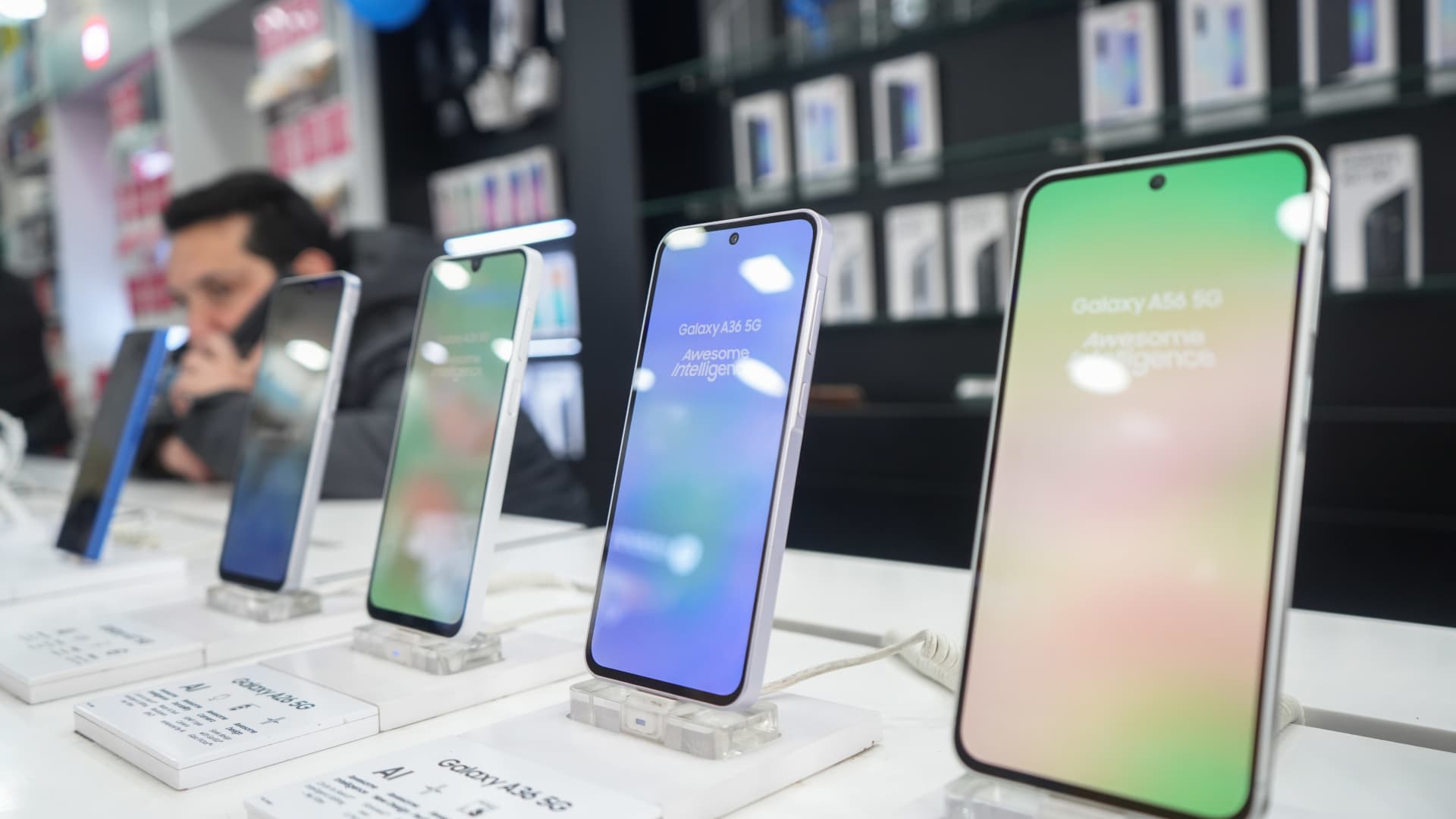
Rising memory chip costs are forcing Chinese smartphone brands in India to raise prices, inadvertently boosting the market share of premium competitors like Apple and Samsung. Improved financing options are further accelerating this shift in consumer preference toward higher-end devices.
The Shifting Landscape of the Indian Smartphone Market
The Indian smartphone sector, long defined by a fierce battle for the price-conscious consumer, is undergoing a profound structural transformation. For years, Chinese smartphone manufacturers have dominated the market, securing four out of the top five positions by offering feature-rich devices at highly competitive, low-entry price points. However, a sudden and significant surge in global memory chip costs is now disrupting this established hierarchy, forcing these manufacturers to pass the financial burden directly to the end-user.
The Impact of Memory Chip Inflation
Memory chips serve as a foundational component in modern mobile technology, and their price volatility directly influences the final retail cost of handsets. As supply chain constraints and inflationary pressures drive these costs upward, the thin profit margins that Chinese brands rely on are being squeezed. Unlike their more diversified competitors, these brands have historically relied on aggressive pricing strategies to maintain their dominance, making them particularly vulnerable to the current hardware cost spikes.
The Rise of Premium Competitors
As Chinese brands become more expensive, the value proposition for premium players like Samsung and Apple has strengthened. Consumers, faced with a closing price gap between mid-range Chinese phones and entry-level premium devices, are increasingly opting for the latter. This shift is not merely about brand perception; it represents a strategic pivot in consumer behavior where long-term device reliability and brand ecosystem integration are beginning to outweigh the initial cost savings.
The Role of Financial Accessibility
Beyond hardware costs, the evolution of the Indian market is being facilitated by improved consumer financing options. The availability of easy EMI (Equated Monthly Installment) schemes and trade-in programs has democratized access to premium smartphones. By breaking down the barrier of high upfront costs, these financial tools allow the aspirational Indian middle class to bypass mid-range options and invest directly in Samsung and Apple products, effectively neutralizing the price advantage that Chinese brands once held.
Future Trends and Market Outlook
Looking ahead, the market is likely to see a continued consolidation of premium market share. If memory chip prices remain elevated, Chinese manufacturers will face the difficult choice of either absorbing losses to maintain market share or continuing to raise prices, which risks further alienation of their core demographic. As Apple and Samsung continue to leverage their brand equity and financing infrastructure, the Indian smartphone landscape is poised to transition from a volume-driven market to one increasingly defined by value and premiumization.