Stocks Retreat as Global Bond Yields Rise
Source Entity
Yahoo Finance
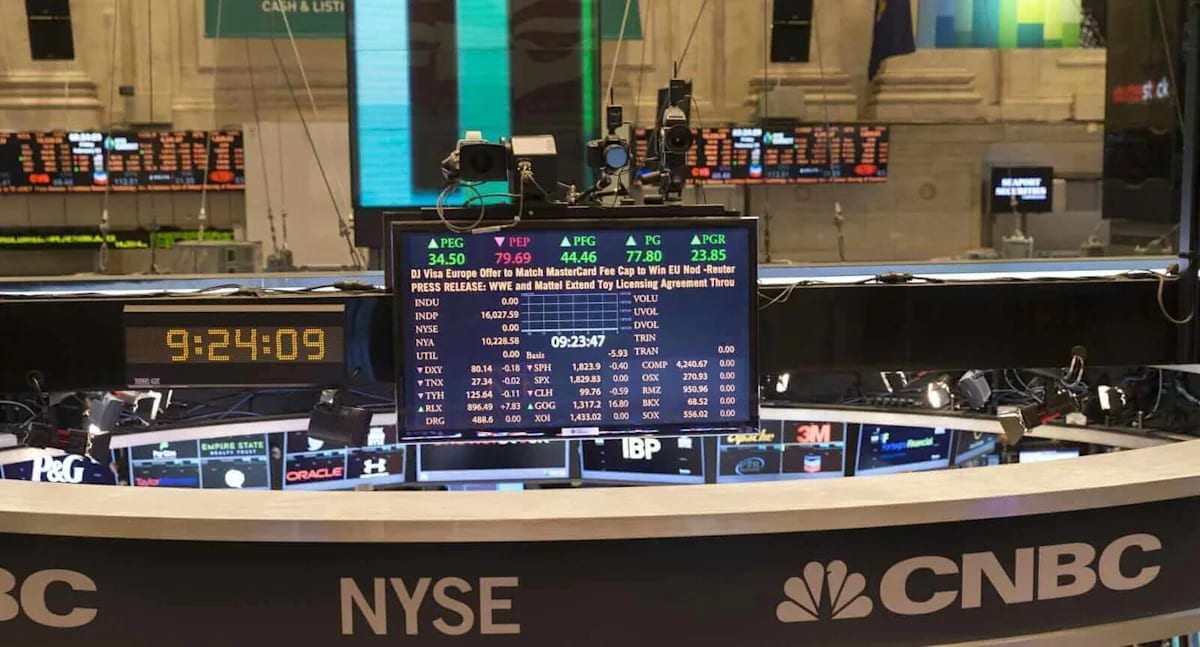
Rising tensions in the Strait of Hormuz and the prospect of unprecedented U.S. economic sanctions against Iran have triggered a surge in oil prices and 10-year Treasury yields. This geopolitical instability threatens to disrupt global energy supplies and stifle the ongoing S&P 500 bull market.
The Geopolitical-Economic Nexus: Strait of Hormuz Tensions
The global financial landscape is currently grappling with a significant uptick in geopolitical volatility centered on the Strait of Hormuz. With the U.S. engaged in a deepening confrontation with Iran, the intersection of military posturing and economic policy has pushed the 10-year Treasury yield to its highest point in 19 months. This rise, building on consecutive days of upward momentum, signals a shift in market sentiment as investors seek safe havens amidst mounting uncertainty.
The Impact of Supply Chain Disruptions
The vulnerability of the Strait of Hormuz—a vital global energy chokepoint—has become the primary driver of current market anxiety. Following reports that a vessel was struck by an unknown projectile while exiting the strait, WTI crude oil prices have surged to three-week highs. This spike is compounded by official U.S. rhetoric, with Energy Secretary Chris Wright confirming a long-term strategic stance that rejects de-escalation, effectively signaling to markets that supply-side pressures in the Middle East are unlikely to abate in the near term.
Economic Warfare as a Catalyst
Compounding the physical risks to maritime trade are the "unprecedented" economic measures signaled by Treasury Secretary Bessent. The administration's plan to implement historic levels of economic isolation against Iran, paired with the existing naval blockade of Iranian ports, suggests a sustained campaign of pressure. This strategy, reinforced by President Trump’s refusal to renew expired agreements, has effectively eliminated the possibility of a diplomatic resolution, further fueling inflationary concerns.
Inflationary Pressures and the S&P 500
For the S&P 500, these developments arrive at a precarious moment. The equity market’s recent bull run is being tested by the prospect of higher oil prices, which serve as a persistent inflationary force. Elevated fuel costs typically erode corporate margins and reduce consumer discretionary spending, creating a difficult environment for equity valuations. As bond yields rise in tandem with energy costs, the cost of capital increases, potentially curbing the growth momentum that has defined recent trading sessions.
Future Trends and Market Outlook
Looking ahead, the market must prepare for a prolonged period of high-stakes volatility. If the U.S. proceeds with the threatened economic measures, the resulting isolation of Iran will likely keep energy premiums elevated. Investors should anticipate continued sensitivity in Treasury markets, as the 10-year yield remains a bellwether for how the broader financial system processes the risk of a protracted, multi-front conflict. The ability of the S&P 500 to maintain its gains will depend heavily on whether current energy supply disruptions remain localized or escalate into a broader, more systemic crisis.