15 taken ill as chlorine gas leak from sewage plant triggers panic in UP's Meerut
Source Entity
Latest News: Todays Latest News Headlines from India & World | Hindustan Times | Hindustan Times
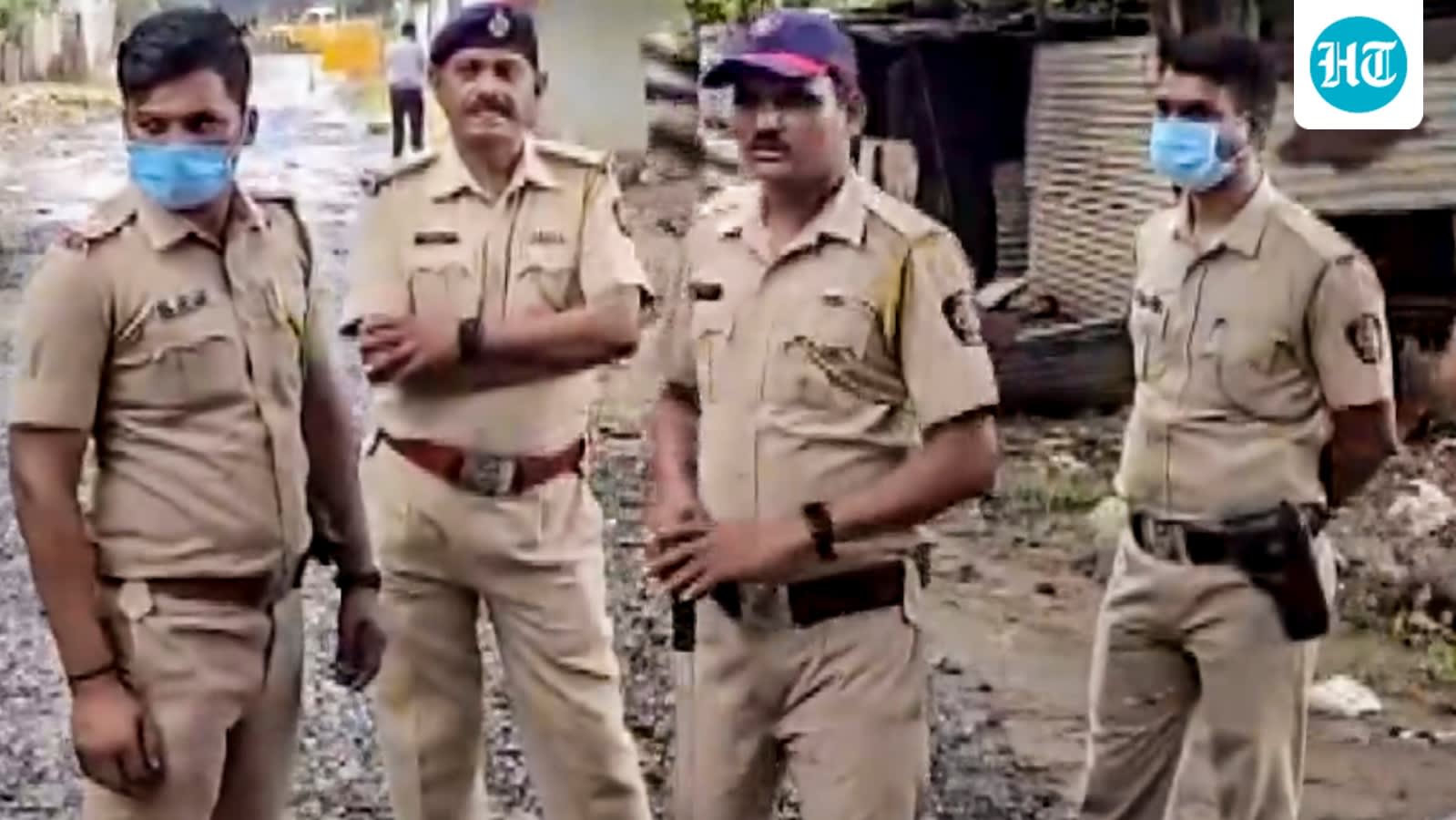
A chlorine gas leak at a sewage treatment plant in Meerut, Uttar Pradesh, has left 15 people hospitalized. Local authorities have launched a magisterial probe and advised residents to take safety precautions.
Chlorine Gas Leak Sparks Emergency in Meerut
A distressing incident unfolded in the Pallavpuram Phase-2 area of Meerut, Uttar Pradesh, when a chlorine gas leak originated from a local sewage treatment plant. The leak, which occurred on Tuesday, caused immediate alarm among the residents of the nearby Akanksha Ambience Colony. As the pungent odor spread, families—many carrying children and elderly members—were forced to evacuate their homes in a state of panic to escape the toxic fumes.
Immediate Emergency Response
Upon receiving distress calls, local emergency services acted swiftly. A fire tender and a specialized police team were dispatched to the site to contain the situation. Recognizing the potential health risks posed by chlorine inhalation, authorities utilized public address systems to issue urgent safety warnings. Residents were instructed to cover their faces with masks or damp handkerchiefs and were urged to remain indoors to minimize exposure to the chemical drift.
Health Impact and Medical Intervention
The incident resulted in 15 individuals falling ill due to the gas exposure. These victims were promptly transported to a local hospital for urgent medical attention. Chlorine gas is a potent respiratory irritant, and exposure can lead to severe health complications, including coughing, breathing difficulties, and in extreme cases, chemical burns to the airways. The rapid mobilization of medical staff was critical in ensuring the stabilization of those affected.
Accountability and Administrative Oversight
In response to the severity of the incident, officials have announced a magisterial probe to investigate the cause of the leak. This administrative inquiry aims to determine whether the incident was the result of technical failure, maintenance negligence, or a breach in safety protocols at the treatment facility. Such investigations are vital for ensuring that public infrastructure projects are held to rigorous safety standards to prevent future occurrences.
Broader Implications for Infrastructure Safety
This event highlights the significant risks associated with the proximity of hazardous industrial or chemical-based infrastructure to residential zones. Sewage treatment plants often utilize chlorine for disinfection processes, necessitating robust containment systems and stringent emergency response plans. The Meerut incident serves as a stark reminder of the need for comprehensive safety audits and the implementation of advanced leak-detection technologies in all municipal utility facilities.
Future Outlook and Safety Protocols
Moving forward, the findings of the magisterial probe will likely dictate new safety mandates for sewage treatment plants across the region. Strengthening the oversight of chemical storage and establishing more efficient evacuation protocols are essential steps to protect urban populations. Ensuring that such facilities maintain high operational standards is a prerequisite for maintaining public trust and safety in densely populated residential areas.
Verification Required?