Before 9/11, India Was On Osama Bin Laden's Hit List, CIA Documents Reveal
Source Entity
NDTV News Search Records Found 1000
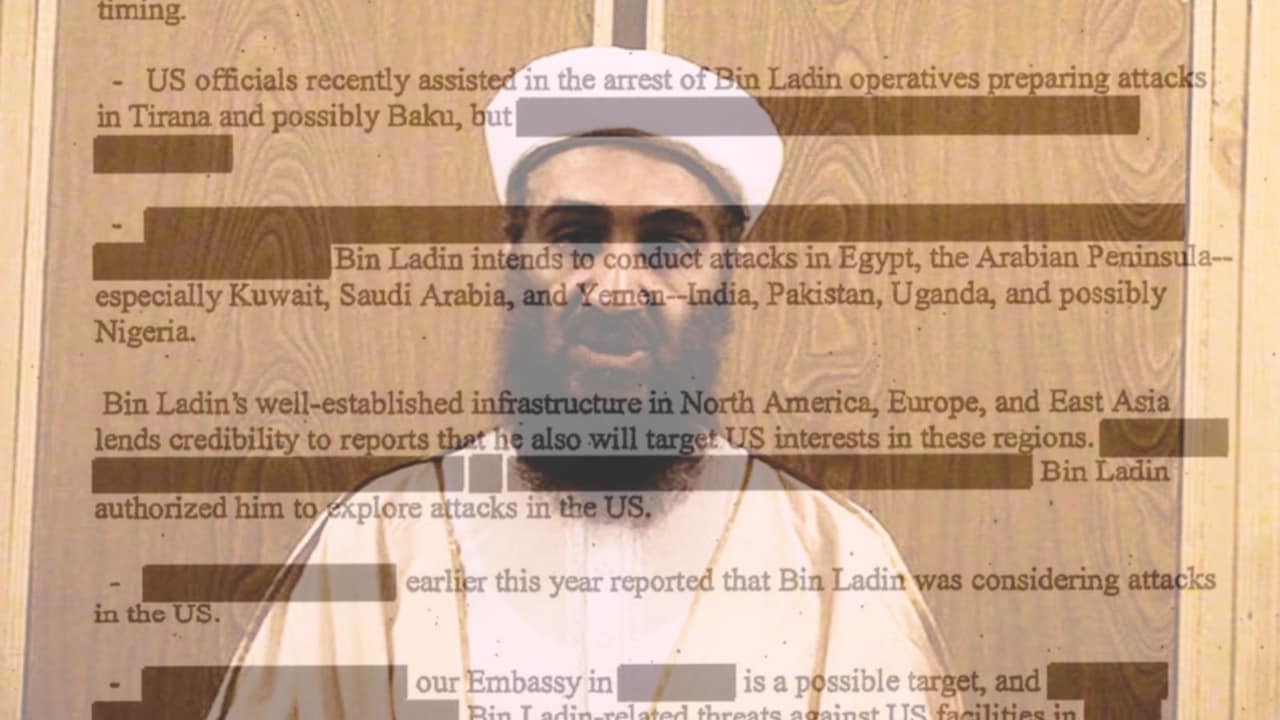
Newly declassified CIA documents reveal that Osama bin Laden planned attacks on India and Pakistan years before 9/11. These 71 records, released on the 25th anniversary of the attacks, highlight early intelligence warnings provided to President Bill Clinton.
The Pre-9/11 Intelligence Landscape: New CIA Revelations
On the 25th anniversary of the September 11, 2001, terrorist attacks, the Central Intelligence Agency (CIA) released 71 declassified intelligence reports, providing a profound look into the agency’s pre-9/11 threat assessment. Among the most significant findings is the confirmation that the al-Qaeda network, led by Osama bin Laden, had identified India and Pakistan as primary targets for terrorism as early as 1998. This disclosure fundamentally shifts the historical narrative, proving that the global threat posed by al-Qaeda was far more geographically diverse than previously understood by the public.
The 1998 Warning to President Clinton
A pivotal document in this collection is a top-secret brief prepared for President Bill Clinton, dated August 28, 1998. This intelligence assessment was drafted in the wake of U.S. missile strikes in Afghanistan, which were intended to neutralize Bin Laden following the U.S. embassy bombings in East Africa. The report warned that despite these strikes, Bin Laden remained a potent threat, maintaining a sophisticated network of individuals and allied groups across at least 60 countries. The inclusion of India and Pakistan in this list of potential targets underscores the long-standing volatility of the South Asian region in the eyes of international intelligence agencies.
Global Intentions and Strategic Reach
The documents suggest that al-Qaeda’s ambitions were never limited to Western targets. By identifying India, Pakistan, Egypt, and the Arabian Peninsula as operational zones, Bin Laden demonstrated a strategic intent to destabilize multiple regions simultaneously. This revelation highlights the immense challenge faced by the CIA during the late 1990s as they attempted to map a decentralized terrorist organization that was actively planning strikes across disparate geopolitical landscapes. The assessment serves as a critical case study in the difficulties of tracking a non-state actor with a global reach.
Historical Context and Intelligence Gaps
These newly released files offer a rare glimpse into the intelligence community's internal struggle to assess the scope of Bin Laden's reach during the late 1990s. While the U.S. government was acutely aware of the danger, the operational reality of monitoring a network spread across 60 countries proved to be an intelligence hurdle of unprecedented scale. The 1998 warning specifically noted that Bin Laden possessed the capacity to leverage local allied groups to execute attacks, a tactic that would later become a hallmark of al-Qaeda’s global operational strategy.
Broader Geopolitical Implications
The disclosure of these files provides context for the security dynamics that defined the turn of the millennium. By acknowledging that India and Pakistan were on the radar of international terrorists years before 9/11, the documents validate the long-standing concerns of South Asian security analysts who have long argued that the region was a central, rather than peripheral, theater in the war on terror. This historical validation invites a re-evaluation of how international intelligence sharing and threat mitigation were conducted during the Clinton era.
Conclusion: Assessing the Legacy of 9/11 Records
The release of these 71 reports on the 25th anniversary of 9/11 is the largest declassification of its kind regarding these events. By shedding light on the early warnings and the intended targets of al-Qaeda, these documents do more than just clarify history; they provide a vital perspective on the evolution of global counter-terrorism. As researchers continue to analyze these records, the focus will likely remain on how these early warnings informed—or failed to inform—the international security policies that followed the tragic events of 2001.
Verification Required?