CJI Surya Kant defends confidentiality of Collegium dissent at CNLU interaction
Source Entity
Himanshu Harsh
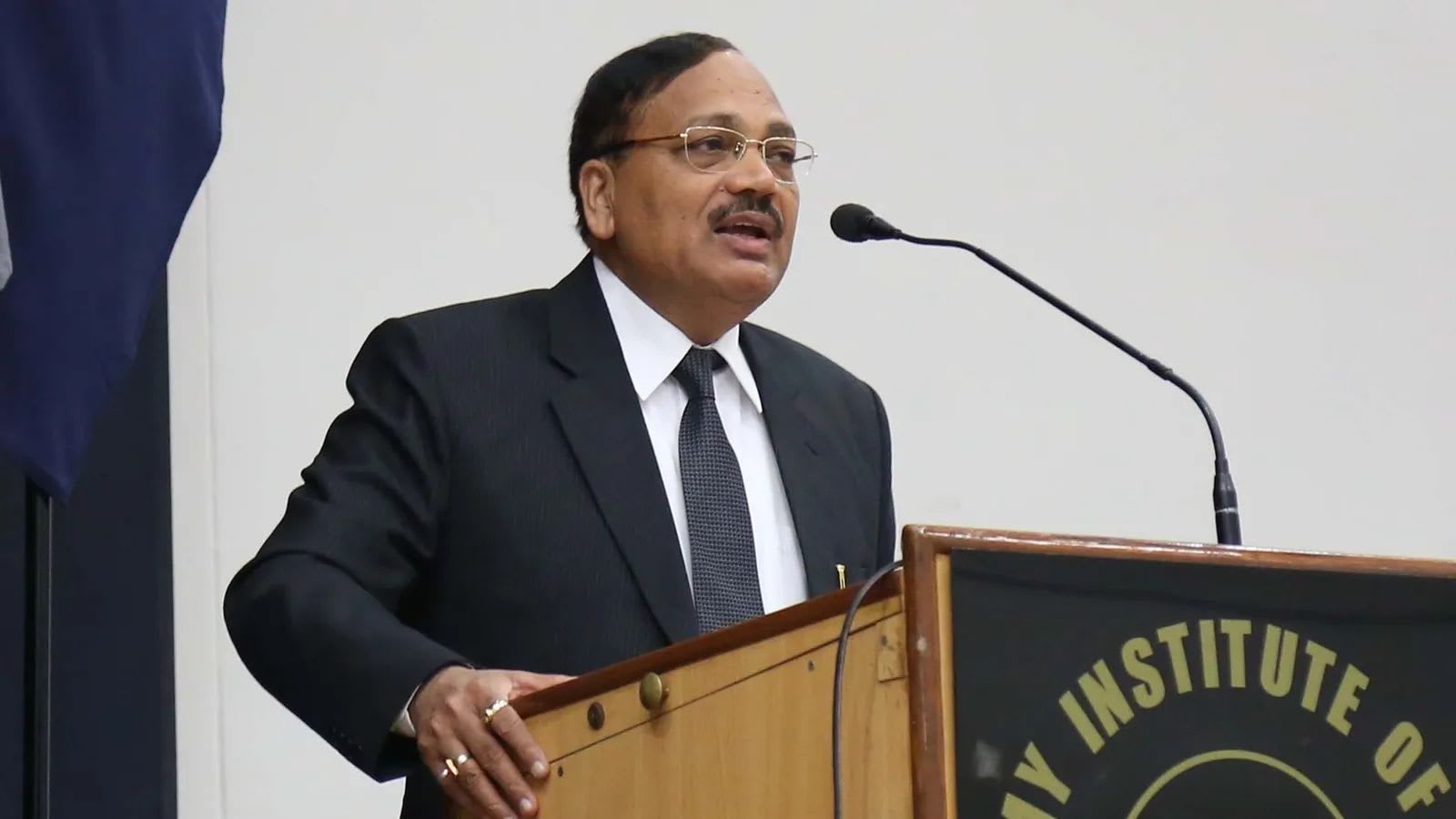
CJI Surya Kant has emphasized the importance of judicial accessibility and victim support through the inauguration of Bihar's first Victim Rights Centre. Concurrently, he defended the confidentiality of Supreme Court Collegium proceedings while championing the rights of vulnerable citizens, including a landmark ruling to reinstate a war widow.
Upholding Judicial Integrity and Accessibility: The Vision of CJI Surya Kant
Chief Justice of India (CJI) Surya Kant has recently engaged in a series of high-profile initiatives and public dialogues that underscore a dual focus on the internal governance of the judiciary and the external outreach of the legal system to the marginalized. During a recent interaction at Chanakya National Law University (CNLU) in Patna, CJI Kant addressed the complexities of judicial administration, specifically defending the confidentiality of the Supreme Court Collegium’s dissenting views.
Balancing Transparency and Judicial Stability
In his discussion with law students, CJI Kant articulated that keeping internal dissenting opinions within the Collegium out of the public domain is a measure of protection for the integrity of the selection process. He argued that premature disclosure of these deliberations could place both judges and candidates under undue public scrutiny, potentially compromising the objectivity required in high-stakes judicial appointments. This stance highlights the ongoing tension between the demand for democratic transparency and the need for a stable, protected environment for judicial decision-making.
Prioritizing the Vulnerable: The Victim Rights Centre
Beyond administrative procedures, CJI Kant has signaled a shift toward a more proactive, victim-centric judicial model. By inaugurating the first Victim Rights Centre (VRC) in Bihar, he emphasized that justice must transcend the physical walls of the courtroom. The VRC is designed to function as a single-window mechanism for crime victims, ensuring that those who are most vulnerable or unable to navigate the complex legal bureaucracy receive necessary support. This initiative, coupled with the launch of a transgender helpline, reflects a broader systemic effort to bridge the gap between the judiciary and the citizens it serves.
Championing Equity and Professional Access
CJI Kant’s recent engagements also addressed the socio-economic barriers inherent in the legal profession. Acknowledging the financial and professional hardships faced by first-generation advocates, he advocated for improved access to the profession and structural changes in legal education. By recognizing these entry-level hurdles, the CJI is signaling a commitment to diversifying the legal landscape, ensuring that the next generation of lawyers is not defined solely by legacy or financial privilege.
Extraordinary Relief and Constitutional Empathy
Perhaps the most poignant illustration of his judicial philosophy is the recent Supreme Court ruling mandating the reinstatement of a former short-service commission woman Air Force officer. The bench, led by CJI Kant, exercised extraordinary constitutional powers to grant relief after a 14-year legal battle. By recognizing the appellant's dual status as both an ex-Air Force officer and a war widow, the Court demonstrated a rare level of empathy, prioritizing human impact over rigid procedural timelines.
Conclusion: A Multi-Faceted Judicial Approach
Ultimately, CJI Surya Kant’s recent actions represent a holistic approach to the Indian judiciary. From protecting the confidentiality of internal appointments to championing the rights of war widows and crime victims, his tenure appears defined by a desire to balance institutional tradition with a progressive, empathetic outreach. These developments indicate a judiciary that is increasingly focused on reducing the distance between the law and the citizen, while simultaneously safeguarding the sanctity of its internal mechanisms.