Memories of Maharashtra’s 1972 drought
Source Entity
Shubhangi Khapre
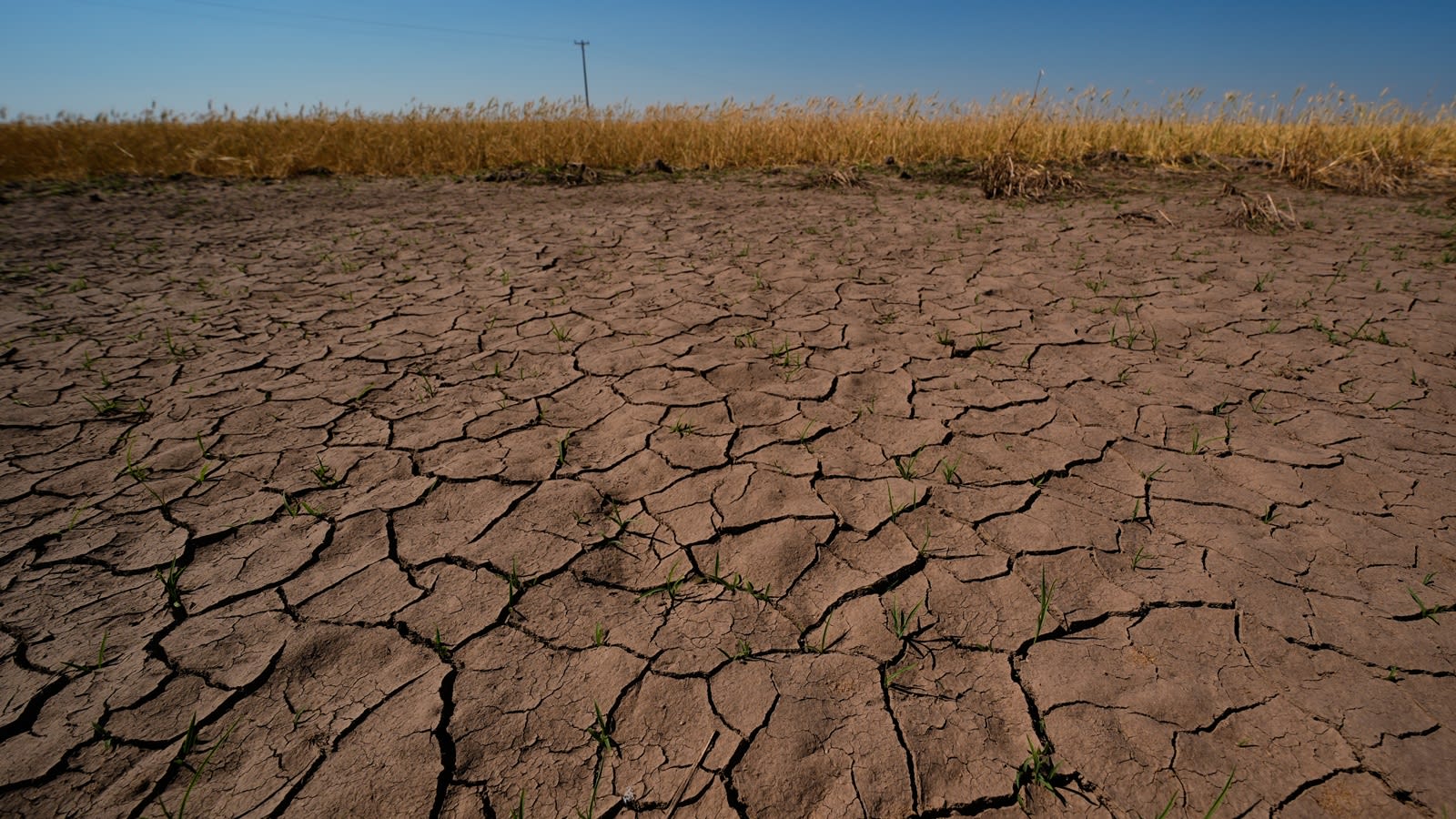
The Maharashtra government has declared a severe drought affecting 74-75% of the state's talukas. Political leaders have compared the current crisis to the historic 1972 famine, citing extreme rainfall deficits and crop failure.
Maharashtra Faces Widespread Drought Crisis
A State in Distress
The government of Maharashtra has officially declared a drought across 74% to 75% of the state, encompassing 265 of its 358 talukas. This declaration triggers a series of essential relief measures designed to mitigate the impact on rural populations who are currently grappling with significant rainfall deficits and widespread crop losses. The scale of this crisis highlights the extreme vulnerability of the state’s agricultural sector to fluctuating monsoon patterns.
Historical Parallels and Fears
Political discourse surrounding the current situation has drawn heavy comparisons to the catastrophic drought of 1972. Both Chief Minister Devendra Fadnavis and veteran leader Sharad Pawar have expressed grave concerns, suggesting that the current conditions could potentially mirror or even surpass the severity of the 1972 famine. This historical reference point serves as a stark reminder of the long-term socio-economic devastation that occurs when rain-fed agriculture—the backbone of regions like Marathwada and Vidarbha—suffers a systemic collapse.
The Impact of El Niño
The current environmental crisis is largely attributed to the influence of El Niño, which has led to persistent rainfall deficits. For a state that has experienced at least 15 major droughts since its formation in 1960, the current meteorological volatility is a reminder of the fragility of the state’s rural economy. The dependency on the south-west monsoon remains the most critical factor in the state’s ability to sustain its agricultural output.
Governance and Administrative Response
Journalistic coverage of this crisis, notably by experts like Alok Deshpande, underscores the intersection of governance and environmental management in Maharashtra. The current administrative response is not merely a technical necessity but a high-stakes political challenge. Effectively managing resource distribution and providing relief to the 'hinterlands' is essential to maintaining social stability during periods of acute water and food scarcity.
Future Implications and Outlook
Looking ahead, the state faces a difficult path toward recovery. The recurrence of droughts in Maharashtra suggests a need for more robust, long-term water management policies that move beyond immediate disaster relief. As the state grapples with the current crisis, the focus must remain on strengthening infrastructure to support farmers against future climatic shifts, ensuring that the lessons learned from both 1972 and the current year inform more resilient development strategies.
Multiple Citing Sources