CJI Surya Kant forms four special benches to fast-track Supreme Court's oldest cases
Source Entity
Latest News: Today's Latest News Headlines from India & World | Hindustan Times | Hindustan Times
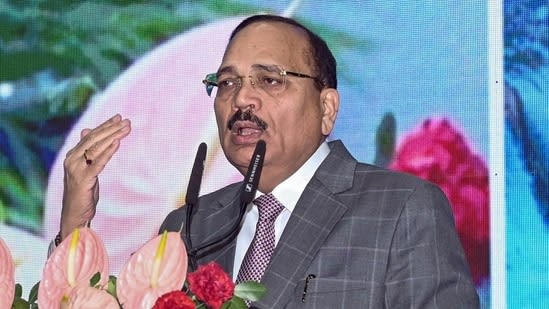
The CJI told HT that the initiative was intended to reaffirm public confidence in the justice delivery system.
Accelerating Justice: CJI Surya Kant's Strategic Push to Clear Judicial Backlogs
In a decisive move to address the systemic challenge of case pendency, Chief Justice of India (CJI) Surya Kant has announced the formation of four special benches specifically tasked with fast-tracking the oldest cases pending before the Supreme Court. This administrative intervention comes at a critical juncture where the Indian judiciary faces immense pressure to deliver timely verdicts. By isolating the most aged cases and assigning them to dedicated judicial cohorts, the CJI aims to dismantle the bottlenecks that have historically delayed justice for thousands of litigants.
Addressing the Crisis of Pendency
The decision to create these special benches is a direct response to the chronic issue of judicial backlog in India. For decades, the 'pendency crisis' has been a primary critique of the legal system, where cases often linger for years or even decades due to a combination of limited judicial strength, frequent adjournments, and an overwhelming volume of filings. By prioritizing the oldest cases, the Supreme Court is acknowledging that the longer a case remains unresolved, the more the legal remedy is diluted, often leading to the adage that 'justice delayed is justice denied.'
Restoring Public Confidence in the Judiciary
CJI Surya Kant explicitly stated that this initiative is intended to reaffirm public confidence in the justice delivery system. When citizens perceive the highest court of the land as bogged down by inertia, it erodes the perceived legitimacy of the rule of law. The formation of these benches serves as a symbolic and practical signal to the public that the judiciary is proactive and committed to efficiency. This move is not merely about numbers but about the psychological impact on the common citizen who views the Supreme Court as the final bastion of hope.
The Role of the 'Master of the Roster'
This initiative highlights the significant administrative power held by the Chief Justice as the 'Master of the Roster.' The ability to allocate cases and form special benches allows the CJI to steer the court's priorities toward urgent systemic reforms. By strategically deploying judicial manpower into these four special benches, the CJI is optimizing the court's internal resources to ensure that chronological priority is given to those who have waited the longest, thereby streamlining the court's operational workflow.
Implications for Legal Precedents and Future Trends
Fast-tracking the oldest cases is likely to result in a surge of judgments on long-standing legal disputes, many of which may have significant implications for constitutional law and civil rights. As these benches clear the backlog, it will create space for the court to handle newer cases more efficiently, potentially preventing the creation of a new wave of pendency. Furthermore, this approach may set a precedent for High Courts across India to adopt similar 'special bench' models to tackle their own staggering backlogs.
Potential Challenges and Structural Limitations
While the formation of special benches is a positive step, it is important to analyze the broader structural challenges. The success of these benches will depend heavily on the consistency of their sittings and the avoidance of further adjournments. Without a concurrent increase in the total number of judges or a comprehensive digital overhaul of case management, special benches may act as a temporary relief rather than a permanent cure. The judiciary must balance the speed of disposal with the quality of adjudication to ensure that 'fast-tracking' does not compromise the depth of legal scrutiny.
Conclusion: A Step Toward Judicial Efficiency
Overall, CJI Surya Kant's initiative to form four special benches is a pragmatic and necessary intervention. By focusing on the oldest cases, the Supreme Court is tackling the most visible symptom of judicial delay. If successfully implemented, this move will not only clear a significant portion of the backlog but will also send a powerful message regarding the court's commitment to efficiency and accountability, ultimately strengthening the democratic fabric of the Indian legal system.
Verification Required?