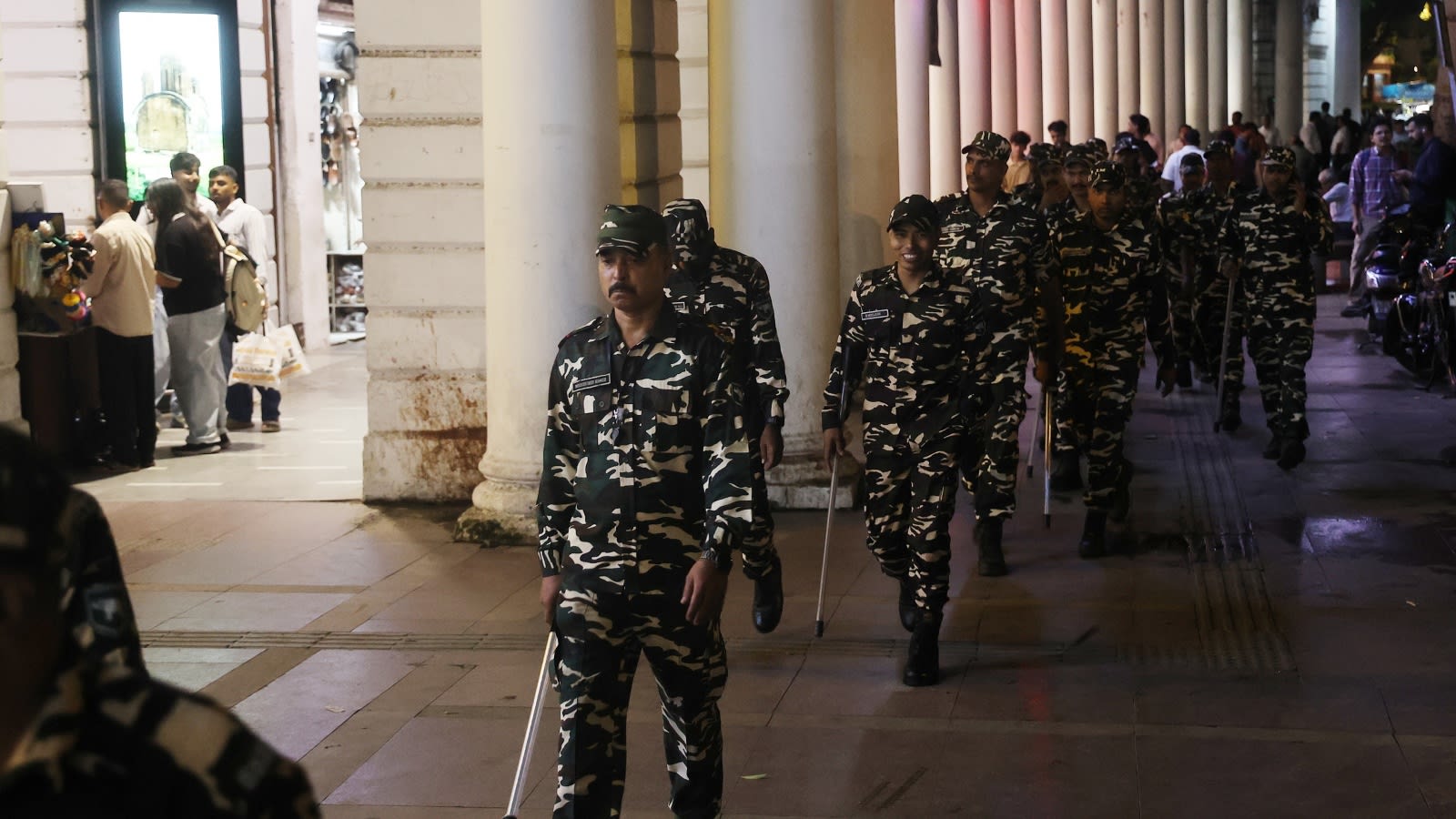
25K personnel on duty, CCTV surveillance: Delhi a fortress again for fresh CJP march
Source Entity
Sakshi Chand, Pragynesh
CJP activist Abhijeet Dipke and student leaders have accused the government of suppressing protests demanding the resignation of CEC Gyanesh Kumar. The demonstrations, marked by mass detentions and infrastructure curbs in Delhi, stem from allegations of massive voter deletions.
The Controversy Surrounding CEC Gyanesh Kumar
The political landscape in India has been marked by intense friction following allegations leveled by Abhijeet Dipke, founder of the Cockroach Janta Party (CJP), regarding the conduct of Chief Election Commissioner (CEC) Gyanesh Kumar. Dipke, alongside prominent student leaders including Neha Bora of the All India Students' Association, has spearheaded a movement demanding Kumar's resignation. The core of this agitation lies in the claim that electoral integrity has been compromised through the deletion of over 13 crore voters, a move Dipke characterizes as a calculated "setting" to influence future electoral outcomes.
Escalation of Protests and State Response
For nearly two weeks, Delhi has witnessed a series of demonstrations that have been met with heavy-handed state intervention. According to reports, authorities have implemented extraordinary restrictions across the capital to stifle dissent. These measures have included the suspension of critical rail services and the closure of multiple Metro stations, effectively paralyzing parts of the city to prevent citizens from congregating at protest sites like Jantar Mantar. The scale of these curbs underscores the government's sensitivity to the growing anti-CEC sentiment.
Detentions and the Suppression of Dissent
Reports indicate a systematic effort to clear the streets of protesters. Abhijeet Dipke has alleged that students, young activists, and high-profile opposition leaders—including former Chief Ministers Mamata Banerjee, Arvind Kejriwal, and Pinarayi Vijayan—have faced detention. The situation reached a boiling point during a press conference held by Dipke and his allies, which descended into chaos. The atmosphere remains tense, with activists such as Saurav Das and Ranka reportedly being sent to jail following their involvement in the demonstrations.
Concerns Over Media and Student Rights
Beyond the detention of political figures, there is significant alarm regarding the treatment of those documenting the unrest. Neha Bora has voiced grave concerns over the intimidation of journalists attempting to cover the protests. By curbing the ability of the media to report on the ground reality, observers argue that the state is attempting to create a narrative vacuum, hindering the public's right to information and the ability of student bodies—such as the Students' Federation of India and All India Students' Federation—to voice their grievances against the Election Commission.
Broader Implications for Electoral Democracy
The accusation that 13 crore voters have been purged from the rolls is a staggering claim that, if verified, would represent a fundamental challenge to the democratic process. Dipke’s assertion that these actions are being undertaken exclusively to protect the interests of a single individual—CEC Gyanesh Kumar—highlights a deepening distrust in the impartiality of constitutional bodies. This conflict serves as a litmus test for the independence of India's election monitoring institutions and the resilience of its democratic institutions against executive overreach.
Future Outlook
As the protests continue and the government maintains its strict containment strategy, the standoff appears to be heading toward a prolonged political crisis. The involvement of diverse groups, from student unions to veteran opposition politicians and public figures like actor Prakash Raj, suggests that the agitation is broadening in scope. Future trends indicate that unless there is a transparent inquiry into the alleged voter deletions and a relaxation of the current restrictions on dissent, the credibility of the Election Commission may face sustained and damaging scrutiny, potentially impacting the legitimacy of upcoming electoral cycles.
Multiple Citing Sources