India news Live Updates, 17 August 2026: CJP’s Dipke demands action as students protest alleged High Court clerk exam paper leak in Chhatrapati Sambhajinagar
Source Entity
The Indian Express
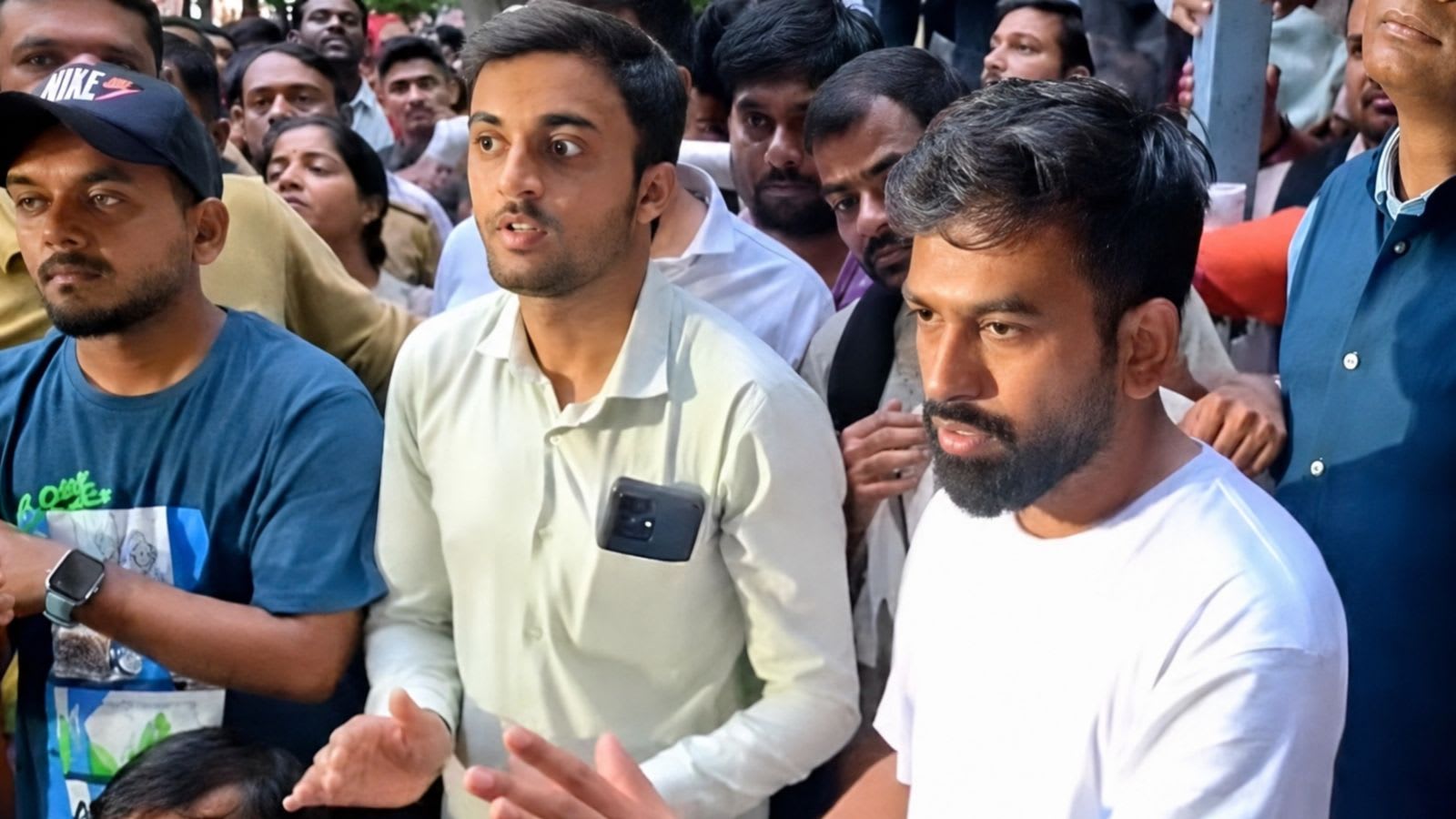
The Cockroach Janta Party (CJP) has demanded a re-test for the Bombay High Court clerk recruitment exam following widespread reports of technical failures. Candidates allege faulty hardware and server logouts, while the High Court maintains the process was largely smooth despite localized issues.
Allegations of Technical Failure in Bombay HC Clerk Exams
The integrity of the recruitment process for the Bombay High Court clerk position has come under intense scrutiny following reports of significant technical disturbances during recent typing examinations. Aspirants who appeared for the test have voiced serious grievances, claiming that the examination environment was compromised by faulty infrastructure and unstable server performance, leading to an unfair testing experience that they argue has jeopardized their professional futures.
The Role of CJP and Abhijeet Dipke
Abhijeet Dipke, founder of the Cockroach Janta Party (CJP), has emerged as a vocal advocate for the affected students. Joining protests in Chhatrapati Sambhajinagar, Dipke has called for an immediate re-examination, citing direct reports from candidates regarding non-functional equipment. According to these accounts, participants encountered malfunctioning mice and keyboards, while others were inexplicably logged out of the examination portal shortly after commencement, effectively barring them from completing the assessment.
Infrastructure and Systemic Concerns
Dipke’s intervention highlights a broader, recurring issue regarding the reliability of digital infrastructure in competitive examinations across India and Maharashtra. The complaints suggest that the technical failures were not isolated incidents but rather reflective of broader systemic vulnerabilities in online testing environments. By framing this as a repeat occurrence in the region, the CJP is pushing for greater accountability regarding the agencies tasked with managing these high-stakes digital assessments.
Official Response and Discrepancies
The Bombay High Court registrar (personnel) has provided a contrasting perspective, asserting that the typing examination was conducted smoothly for the majority of the candidates. While the administration acknowledged that certain technical issues were reported at specific examination centers—namely Aurangabad and Kalyan—the official stance suggests these were minor disturbances rather than a widespread failure of the examination process.
Implications for Recruitment Integrity
The tension between the candidates' experiences and the official assessment of the situation underscores the difficulty of maintaining transparency in large-scale recruitment drives. When candidates are declared failed due to technical glitches outside of their control, the perceived fairness of the entire judicial recruitment system is called into question. The demand for a re-test is rooted in the belief that a flawed testing environment invalidates the meritocratic nature of the selection process.
Future Outlook
As the discourse continues, the pressure on the Bombay High Court to address these grievances will likely intensify. The outcome of this dispute will serve as a critical case study for how judicial bodies handle technical oversight and contractor accountability. Future trends in recruitment are likely to demand more rigorous pre-test technical audits to ensure that infrastructure failures do not become a barrier to civil service opportunities for aspirants.