Why are junior doctors in Andhra Pradesh protesting? | Explained
Source Entity
India Latest News: Top National Headlines Today & Breaking News | The Hindu
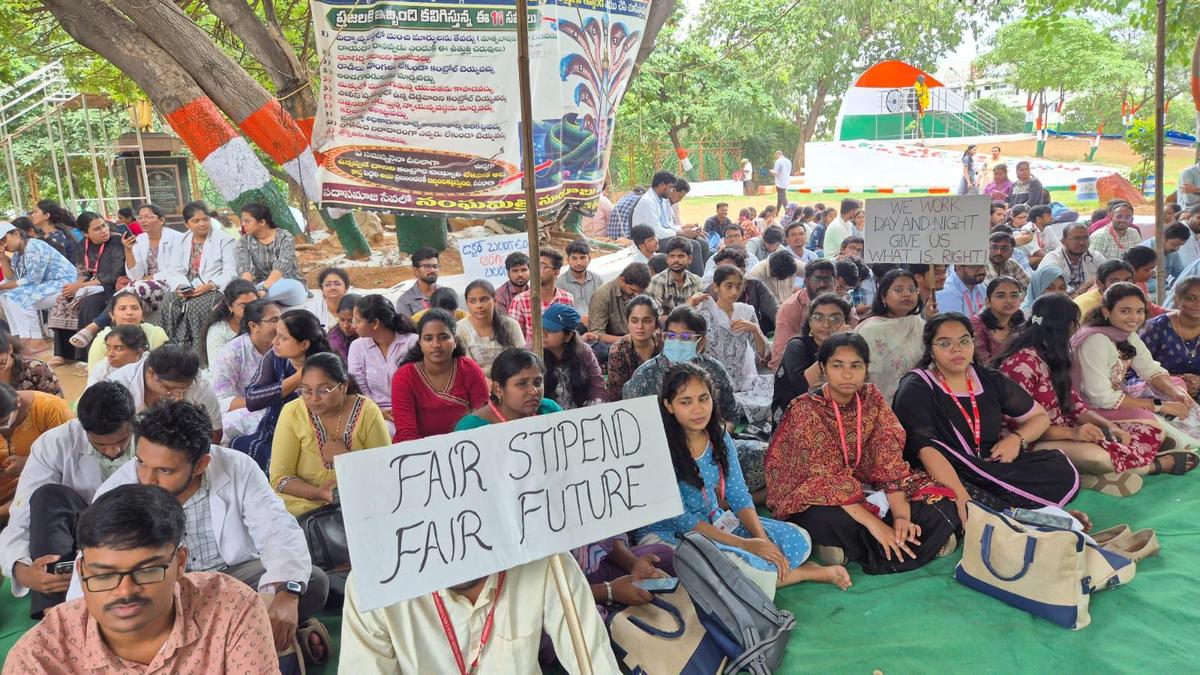
Nearly 9,000 junior doctors in Andhra Pradesh are on a statewide strike following failed negotiations over a stipend revision overdue since January 2026. The protest has escalated from non-emergency service withdrawal to a full cessation of emergency duties in government hospitals.
The Crisis in Andhra Pradesh's Healthcare Infrastructure
The ongoing strike by nearly 9,000 junior doctors across Andhra Pradesh marks a critical juncture in the state's public healthcare management. Organized under the banner of the Andhra Pradesh Junior Doctors’ Association (APJUDA), the movement began on August 11, 2026, as a measured response to the government's failure to implement a mandatory stipend revision. What started as a strategic withdrawal of non-emergency services has rapidly deteriorated, culminating in the total cessation of emergency operations in government medical colleges and teaching hospitals as of August 17, 2026.
The Root of the Dispute: Stipend Stagnation
At the heart of this conflict lies the failure to honor established bureaucratic protocols. The junior doctors' demands are anchored in Government Order (GO) No. 287, issued on December 17, 2009, by the Health, Medical and Family Welfare Department. This order established a framework for a biennial revision of stipends, ensuring that the financial compensation for resident doctors keeps pace with economic inflation and cost-of-living adjustments. The current grievance stems from the government’s failure to enact this revision, which was contractually and administratively due on January 1, 2026.
Escalation and Healthcare Impact
The escalation from phased, non-emergency strikes to the total withdrawal of emergency services highlights the desperation of the medical workforce. By halting services in Intensive Care Units (ICUs), casualty wards, and labour rooms, the junior doctors have effectively paralyzed the backbone of the state's public hospital network. Because these teaching hospitals cater to a significant portion of the vulnerable and economically disadvantaged population, the ripple effect of this strike is profound, threatening to jeopardize patient outcomes across the state.
The Failure of Diplomatic Resolution
The transition from protest to crisis was not inevitable. Multiple rounds of negotiations between the APJUDA and the State government failed to bridge the gap between the doctors' expectations and the government's fiscal response. The inability of authorities to provide a concrete timeline or a satisfactory agreement regarding the overdue stipends has hardened the resolve of the junior doctors, who view the biennial revision as a fundamental right rather than a discretionary benefit.
Broader Implications and Future Outlook
This situation serves as a stark reminder of the fragile balance between state fiscal discipline and the operational viability of public health systems. If the stalemate continues, the long-term impact on medical education and hospital staffing could be severe. Future trends suggest that unless the government addresses the underlying administrative inertia regarding GO No. 287, such industrial actions may become more frequent. Policymakers must now balance the immediate need to restore emergency services with the necessity of establishing a sustainable, automated mechanism for stipend adjustments to prevent future cycles of unrest.
Verification Required?