Mumbai’s endless road-digging may finally stop as BMC plans policy to fix utility lines
Source Entity
Nayonika Bose
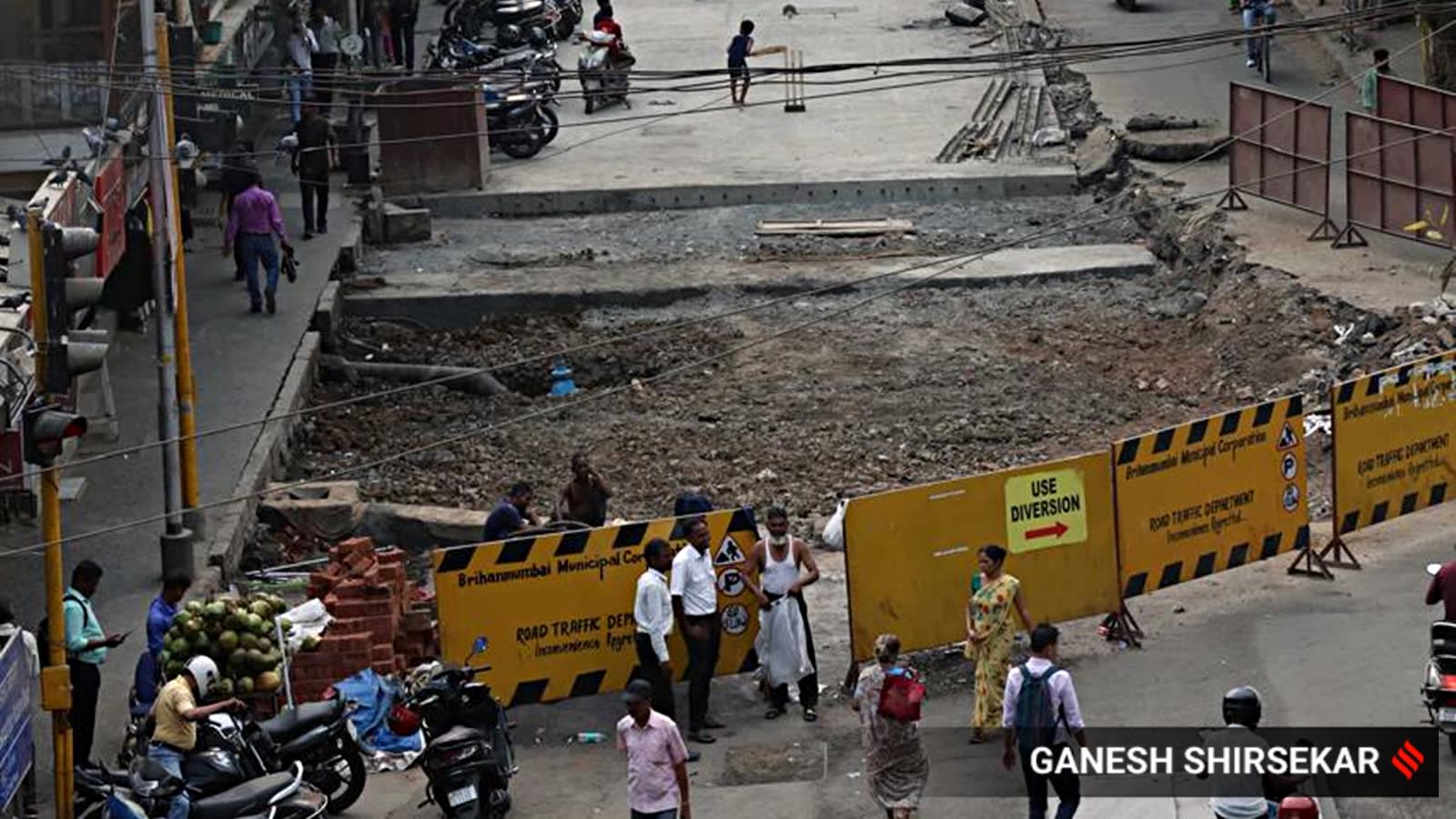
The BMC is developing a new trenching policy to curb the persistent issue of frequent road-digging in Mumbai. The initiative includes an online portal for permissions and the installation of utility ducts to minimize road damage.
Addressing Mumbai’s Infrastructure Crisis: The New Trenching Policy
For decades, Mumbai residents have grappled with the persistent cycle of road construction and subsequent excavation. The Brihanmumbai Municipal Corporation (BMC), under the leadership of Municipal Commissioner Ashwini Bhide, has finally signaled a structural shift to address this 'menace.' By proposing a comprehensive trenching policy, the civic body aims to replace the current fragmented approach to utility management with a centralized, technology-driven framework.
Bringing Method to the Madness
The core of the problem lies in the uncoordinated nature of utility work, where disparate agencies frequently tear up newly paved roads to access electrical, water, or telecommunication lines. Commissioner Bhide’s explicit goal of 'bringing method to the madness' suggests a move toward synchronized urban planning. By setting a deadline of September 1 for the policy draft, the BMC is signaling a sense of urgency to transition away from reactive repairs and toward a proactive maintenance culture.
Technological Integration and Accountability
A cornerstone of this new policy is the launch of an online portal dedicated to issuing trenching permissions. This digital transformation is expected to increase transparency by tracking which agency is working where and for how long. By digitizing the application process, the BMC can better monitor utility agencies, ensuring that they adhere to strict timelines and quality standards, thereby reducing the duration for which public thoroughfares remain obstructed.
Infrastructure Resilience: The Role of Utility Ducts
Perhaps the most significant technical shift is the mandate to create utility ducts along roads. Currently, utility lines are often buried directly beneath road surfaces, necessitating excavation every time a repair or expansion is needed. By shifting to a duct-based system, the BMC intends to house these lines in accessible conduits, allowing for maintenance without the need to tear up the road surface. This is a critical move toward sustainable infrastructure that protects the lifespan of Mumbai’s asphalt.
Incentivizing Quality and Compliance
The policy also introduces a novel approach to contractor accountability by incentivizing the proper reinstatement of trenched roads. Historically, utilities have often left roads in a state of disrepair after their work is finished, shifting the burden of restoration onto the municipal corporation. By creating a framework that rewards agencies for high-quality restoration, the BMC hopes to ensure that any necessary digging is followed by a swift and durable return to road integrity.
Conclusion and Future Outlook
The success of this policy will ultimately depend on the rigor of its enforcement and the cooperation of various utility agencies. If implemented effectively, this policy could mark the end of the perpetual digging cycle that has plagued Mumbai’s commuters. As the city continues to modernize, this shift toward integrated utility management represents a vital step in maintaining the functional stability of India’s financial capital.