Incessant rain pours misery on Kolkata, adjoining areas; waterlogging, traffic snarls disrupt life
Source Entity
India Latest News: Top National Headlines Today & Breaking News | The Hindu
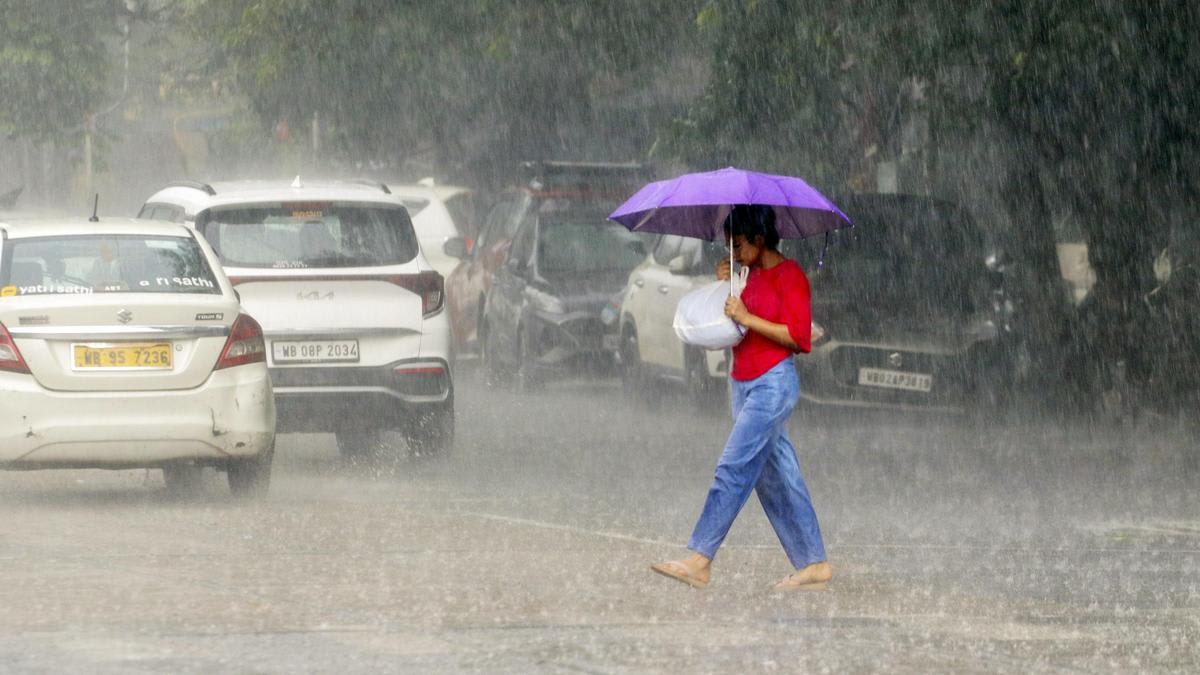
Incessant rains triggered by a deep depression have caused severe waterlogging and traffic disruptions across Kolkata, Howrah, and Salt Lake. The IMD expects the weather system to move toward Jharkhand as coastal districts record high rainfall levels.
Kolkata Faces Inundation Amidst Deep Depression
Starting the morning of August 17, 2026, the city of Kolkata and its surrounding satellite regions, including Salt Lake and Howrah, were plunged into chaos due to relentless rainfall. Triggered by a deep depression situated over coastal West Bengal and the northwest Bay of Bengal, the weather event has significantly disrupted the daily commute and urban functionality of one of India's most densely populated metropolitan areas.
The Meteorological Drivers
The India Meteorological Department (IMD) has identified the primary cause as a deep depression, a weather system notorious for bringing high-velocity winds and sustained, heavy precipitation. This system is currently tracking across Gangetic West Bengal and is forecasted to shift its trajectory toward Jharkhand by August 18. The movement of this depression highlights the vulnerability of the Gangetic plains to cyclonic disturbances originating from the Bay of Bengal, which often act as a funnel for moisture-laden winds during the monsoon season.
Regional Impact and Rainfall Distribution
The deluge has been particularly severe in coastal and southern districts. Data recorded until 8:30 a.m. on Monday, August 17, indicates that Haldia in the Purba Medinipur district bore the brunt of the storm, receiving 134 mm of rainfall within a 24-hour window. Other coastal hubs were not spared, with Digha recording 113 mm and Diamond Harbour documenting 112 mm. These figures underscore the intensity of the precipitation, which has overwhelmed existing drainage infrastructures in the metropolitan core.
Infrastructure and Urban Challenges
The immediate consequence of this record-breaking rainfall has been widespread waterlogging on major thoroughfares. In a city like Kolkata, where urban density is high and historical drainage systems are frequently tested, incessant rain inevitably leads to significant traffic snarls. The timing of the downpour, coinciding with peak office hours, exacerbated the misery for thousands of commuters, effectively bringing the city's mobility to a near standstill.
Broader Implications and Future Trends
This event serves as a stark reminder of the challenges posed by extreme weather events in urban centers. As the depression moves inland toward Jharkhand, the focus will shift to disaster management and the mitigation of potential flooding in the interior regions. The recurring nature of these intense weather systems necessitates a long-term strategy for upgrading urban drainage capabilities and climate-resilient infrastructure to prevent the paralyzing effects seen during this event.
Conclusion
While the current crisis is localized to the disruption caused by the deep depression, the resilience of Kolkata will be tested as the rains continue. Authorities remain on high alert as the system traverses the state, with the primary objective being the restoration of traffic flow and the management of water levels in inundated neighborhoods. Future urban planning in West Bengal must prioritize these meteorological realities to ensure that the city can withstand the increasing frequency of such heavy rainfall events.
Verification Required?