How a fake Iran nuclear quote travelled from an Indian X account to Netanyahu’s speech
Source Entity
The Indian Express
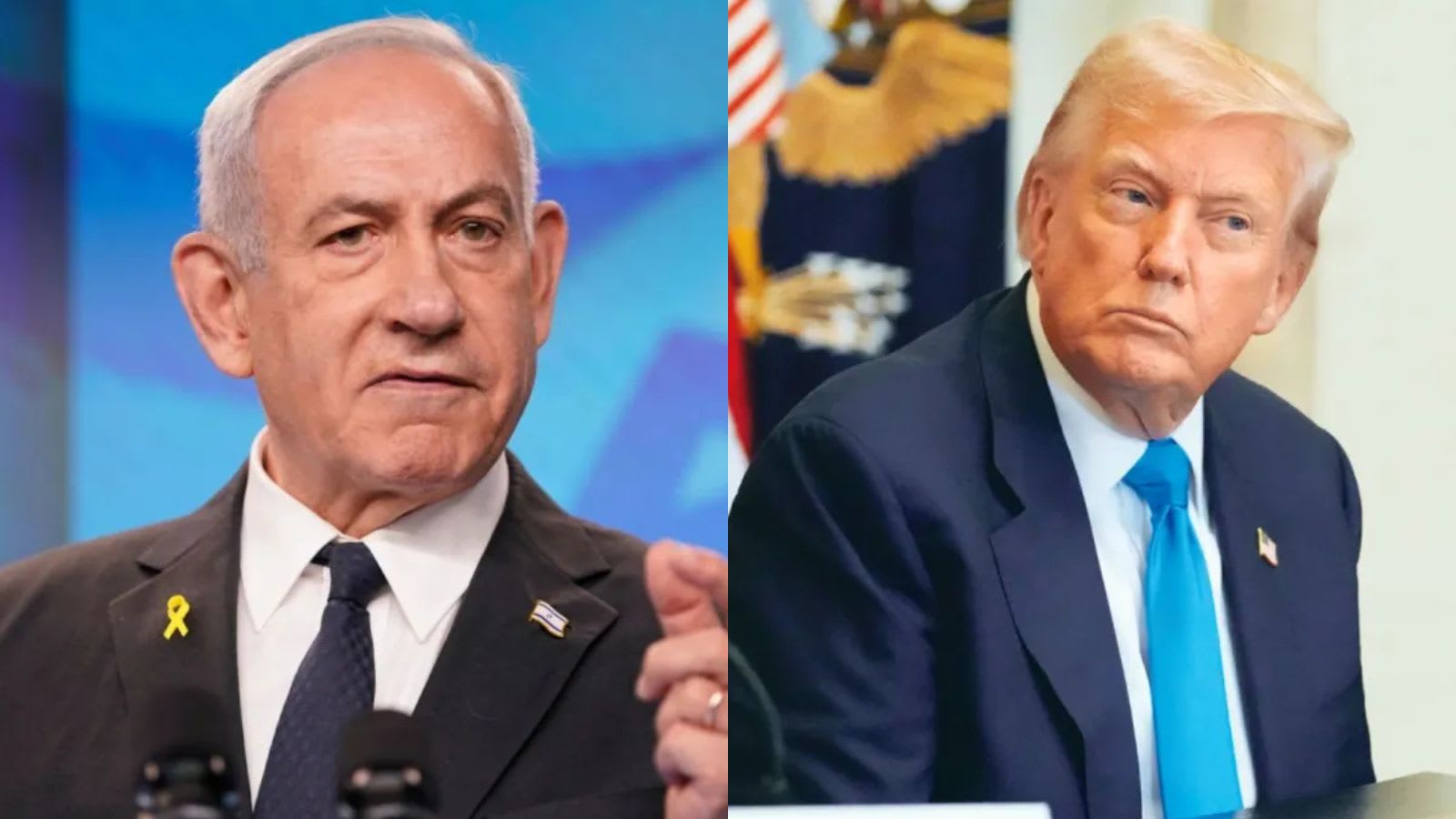
A fabricated quote attributed to an Iranian commander originated from an anonymous Indian X account and proliferated into high-level political discourse in Israel and the US. This incident highlights the dangerous speed at which misinformation can influence international diplomacy and security narratives.
The Digital Battlefield: Anatomy of a Fabricated Narrative
The recent incident involving a falsified statement attributed to Iranian Brigadier General Ahmad Vahidi underscores a volatile new reality in modern geopolitics: the weaponization of social media to influence international statecraft. According to reports, a fabricated claim—asserting that Iran would not abandon its nuclear ambitions as long as its adversaries held similar weaponry—originated from an anonymous X account based in India on August 5. This event serves as a stark case study in how unverified, inflammatory content can bypass traditional verification mechanisms to reach the highest levels of global government.
The Velocity of Disinformation
What began as a single post on an obscure social media account demonstrated a rapid, alarming trajectory. Within mere hours, the disinformation was legitimized by being picked up by mainstream Israeli media outlets and subsequently integrated into the public rhetoric of high-ranking officials. The claim even reached the United Nations, cited by Mike Waltz, the Trump administration’s ambassador, and found its way into a formal speech delivered by Israeli Prime Minister Benjamin Netanyahu. This rapid amplification illustrates a systemic vulnerability where the urgency of the Iran-US standoff creates a vacuum that misinformation is all too eager to fill.
Strategic Implications for Diplomacy
The inclusion of this false quote in official diplomatic discourse is particularly concerning given the ongoing, fragile ceasefire talks and the broader, tense military posturing in the Strait of Hormuz. When state leaders rely on unverified social media narratives, they inadvertently provide oxygen to bad actors seeking to destabilize international relations. By attributing a hardline stance to the Revolutionary Guards commander that he never actually uttered, the architects of this hoax effectively forced a reactionary posture from Israeli and American leadership, potentially escalating tensions based on a total fabrication.
The Role of Anonymous Influence
This incident highlights the power of anonymous, geographically distant accounts to manipulate the information ecosystem of primary stakeholders. By originating in India, the post effectively masked its lack of regional proximity, allowing it to appear as an 'insider' leak to audiences unfamiliar with the account's lack of credibility. This tactic of 'information laundering'—where a claim is introduced, repeated by secondary sources, and finally adopted by authority figures—is becoming a standard operating procedure for digital influence campaigns.
Lessons for Future Security
Moving forward, this event serves as a warning for intelligence agencies and political offices regarding the necessity of rigorous fact-checking protocols in the age of viral social media. The fact that a baseless claim regarding Iran’s nuclear program could permeate the highest levels of the Israeli and US governments suggests that current verification infrastructures are failing to keep pace with the speed of digital content. As global powers continue to navigate the precarious balance of power, the ability to distinguish between credible intelligence and manufactured noise will remain a defining challenge for international security.