Demand to install advanced screening systems in blood banks in Kerala to detect infections
Source Entity
India Latest News: Top National Headlines Today & Breaking News | The Hindu
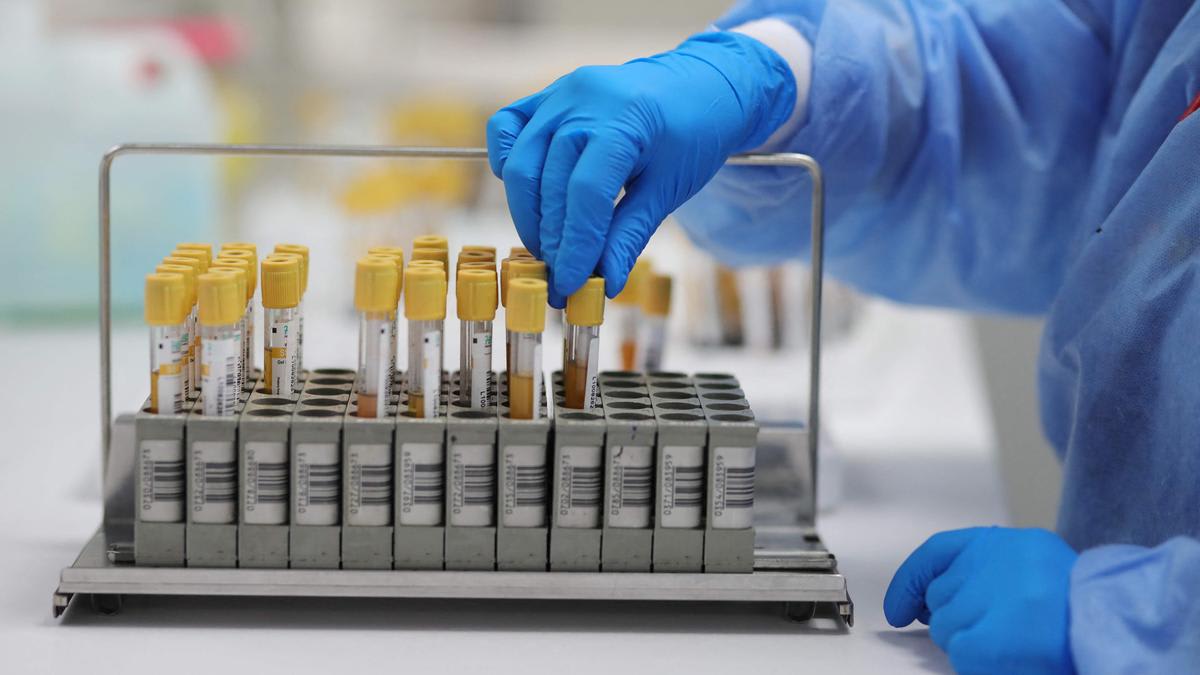
Patient welfare organizations in Kerala are calling for advanced screening systems in blood banks due to rising HIV, Hepatitis B, and C infections among college students. This move aims to protect patients with blood disorders who rely on safe blood transfusions for survival.
Strengthening Blood Safety Protocols in Kerala
The Urgent Call for Advanced Screening
A significant movement is currently underway in Kerala, as organizations dedicated to the welfare of patients with blood disorders have formally demanded the installation of advanced screening systems in both government and private blood banks. This initiative stems from growing concerns regarding the reported spread of serious viral infections, specifically HIV, Hepatitis B, and Hepatitis C, among college student populations across India. The call for modernization is a direct response to the perceived vulnerability in current testing protocols, which may no longer be sufficient to mitigate risks in the face of evolving public health data.
The Role of College Students in Blood Donation
For many years, college students have been regarded as the cornerstone of India’s voluntary blood donation framework. Their demographic is frequently categorized as the 'safest' donor pool due to lower age-related chronic health issues and a robust culture of altruism within campus settings. However, recent reports indicating an increasing prevalence of viral infections within this specific donor cohort have prompted a necessary re-evaluation of how blood banks source and verify their supplies. The reliance on this group, while historically successful, now requires a more sophisticated technological intervention to maintain safety standards.
Impact on Vulnerable Patient Populations
The implications of this situation are most severe for patients suffering from chronic blood disorders. Thousands of individuals diagnosed with conditions such as thalassemia, sickle cell disease, haemophilia, aplastic anaemia, and leukaemia depend entirely on regular, frequent blood transfusions to maintain their quality of life or, in many cases, to survive. For these patients, the blood supply is not merely a medical resource but a lifeline. Any compromise in the safety or screening process poses an existential threat to these communities, making the integration of advanced screening technology a matter of critical urgency.
Technological Imperatives in Modern Healthcare
Moving toward advanced screening systems implies a shift beyond traditional testing methods toward more sensitive molecular diagnostics, such as Nucleic Acid Testing (NAT). By detecting viral genetic material at much earlier stages than serological tests, these systems significantly reduce the 'window period'—the time during which a donor may be infected but not yet show detectable antibodies. Implementing such systems across Kerala’s healthcare infrastructure would align the state with international best practices, ensuring a more resilient defense against transfusion-transmitted infections.
Future Trends and Policy Implications
Looking ahead, this demand is likely to catalyze a broader policy shift regarding blood banking regulations in India. If Kerala successfully implements these advanced screening protocols, it could serve as a model for other states to emulate. The transition will likely involve increased government funding, public-private partnerships to subsidize the high cost of advanced diagnostic equipment, and a potential overhaul of how donor risk assessments are conducted. As the medical community balances the need for a steady blood supply with the imperative of patient safety, the focus must remain on leveraging technology to protect the most vulnerable.
Verification Required?