A threat hiding in plane sight: Why the food on our plates may be riskier than we think
Source Entity
KUNAL KASHYAP
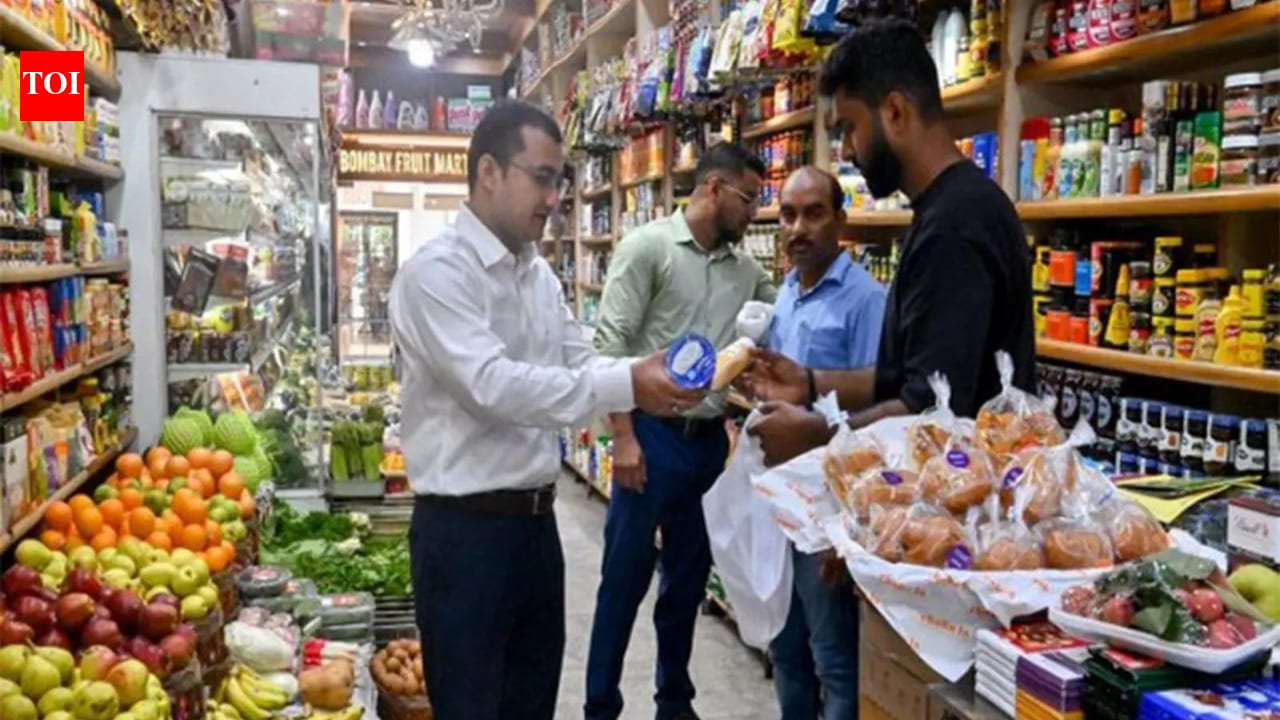
The article explores the systemic risks inherent in our food supply chain, emphasizing the hidden health and economic costs of food safety failures. It advocates for a shift from reactive legal measures to proactive, trust-based prevention strategies.
The Invisible Crisis: Rethinking Food Safety in the Modern Age
The Routine Risk
Eating is perhaps the most mundane, repetitive act of human existence, yet it carries profound implications for public health that are often overlooked. As Kunal Kashyap notes, while society is quick to mobilize against visible threats like terrorism or epidemics, the constant, invisible hazards embedded in our daily food intake remain largely unaddressed. This dissonance between the frequency of the act and the awareness of its risks creates a dangerous complacency that permeates the modern food supply chain.
The Complexity of the Supply Chain
From the moment produce leaves the farm until it reaches the consumer's plate, it traverses an intricate web of invisible links. Each stage—harvesting, processing, transportation, and retail—introduces potential points of contamination or degradation. These links are not merely logistical; they are biological and chemical vectors that can introduce pathogens, pesticides, or adulterants, often without any immediate, visible sign of danger to the end consumer.
The Economic and Health Toll
The 'health bill' associated with poor food safety is a silent, compounding crisis. Beyond the immediate impact of foodborne illnesses, there is a long-term burden on public health infrastructure that is rarely quantified in the average household budget. This cost travels beyond our borders, affecting international trade reputations and the economic stability of agricultural sectors when safety standards are compromised, creating a ripple effect that touches every strata of the economy.
Limitations of Legal Frameworks
While regulatory bodies and laws exist to govern food safety, the author posits that law alone is insufficient. Legislation often functions as a blunt instrument, reactive by design, only intervening once a violation has occurred or a crisis has manifested. Relying solely on enforcement misses the systemic nature of food production, where compliance is often treated as a bureaucratic hurdle rather than a foundational health commitment.
Moving Toward Proactive Prevention
The path forward requires a paradigm shift from reaction to prevention. Drawing lessons from global best practices, the focus must move toward building trust through transparency and technological integration across the supply chain. By fostering a culture of safety that emphasizes the integrity of the process over the mere avoidance of penalties, stakeholders can begin to mitigate the risks that currently hide in plain sight on our plates.