Gastroenterologist Dr Joseph Salhab says he doesn't drink chia water: Here are 5 ways he takes them instead
Source Entity
Latest News: Todays Latest News Headlines from India & World | Hindustan Times | Hindustan Times
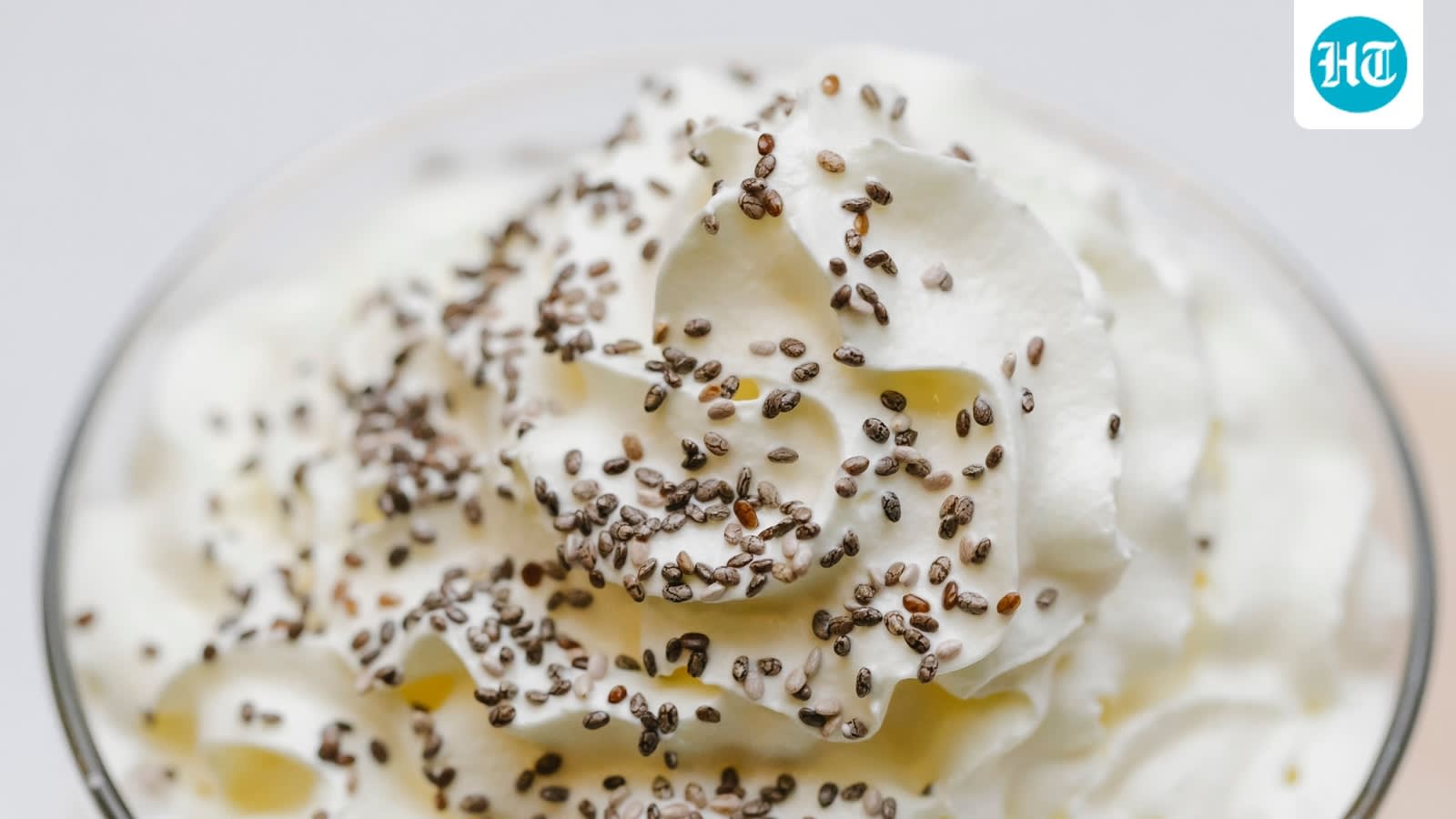
Gastroenterologist Dr. Joseph Salhab highlights that while chia water is an effective way to consume fiber, it is not the only method. He offers five alternative, more palatable ways to incorporate these nutrient-dense seeds into a daily diet.
Rethinking Chia Consumption: Expert Insights
Chia seeds have long been heralded as a nutritional powerhouse, prized primarily for their exceptional fiber content and omega-3 fatty acid profile. However, the most common delivery method—simply soaking them in water—often faces criticism due to the unique, gelatinous texture that some individuals find unappealing. Gastroenterologist Dr. Joseph Salhab, a specialist in digestive and nutritional health, recently addressed this preference gap by suggesting that nutritional efficacy does not have to come at the cost of enjoyment.
The Science of Fiber and Hydration
Dr. Salhab emphasizes a critical physiological fact: chia seeds are high-fiber foods that require adequate hydration to function correctly within the digestive tract. When consumed, these seeds expand by absorbing significant amounts of water, which aids in bowel regularity and overall gut health. While 'chia water' is an undeniably efficient method for ensuring this hydration, the medical community recognizes that patient compliance is the most important factor in any dietary regimen; if a patient finds a texture unpleasant, they are unlikely to maintain the habit.
Expanding Culinary Horizons
By moving beyond the standard water-soak method, Dr. Salhab aims to demystify the preparation of these seeds. His approach suggests that integrating chia seeds into more complex culinary applications can maintain their nutritional profile while significantly enhancing palatability. This shift reflects a broader trend in nutritional medicine, where experts are moving away from 'one-size-fits-all' health hacks toward sustainable, lifestyle-integrated dietary changes.
The Role of Gut Health Specialists
Dr. Salhab’s contribution is part of a growing wave of medical professionals using social media platforms to bridge the gap between clinical advice and everyday kitchen practices. By providing actionable alternatives to monotonous health trends, these specialists help patients avoid the common pitfalls of restrictive dieting. This specific focus on digestive, liver, and pancreatic health underscores the importance of personalized nutrition in preventing gastrointestinal distress.
Future Trends in Nutritional Guidance
As we look forward, the trend of 'personalized wellness' is likely to continue, with medical professionals focusing more on texture, taste, and cultural integration of superfoods. The shift from simply recommending a food to providing a variety of preparation methods represents a more nuanced, patient-centric approach to preventative medicine. By making healthy staples like chia seeds more accessible to the average consumer, experts can foster better long-term health outcomes.
Conclusion
In summary, Dr. Joseph Salhab’s advice serves as a reminder that nutritional health is not about enduring unpalatable trends, but rather about finding sustainable ways to incorporate nutrient-dense ingredients into one’s lifestyle. Whether one chooses to consume chia seeds via water or through more creative culinary preparations, the underlying goal remains the same: supporting gut health through high-fiber, well-hydrated nutrition.
Verification Required?