Kidney transplants at low cost: A doctor who treats and fights to make kidney care affordable
Source Entity
Arun Janardhanan
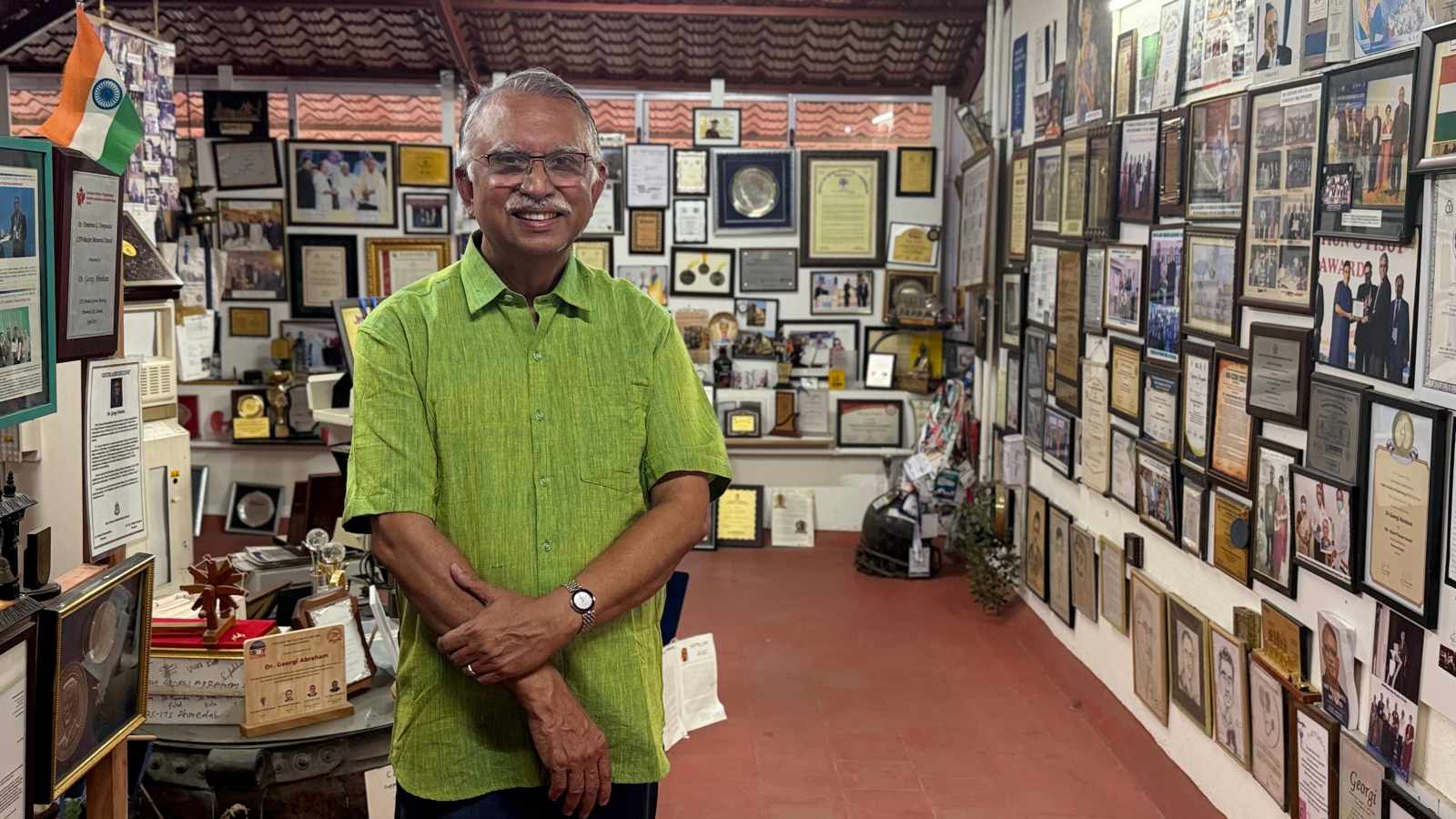
Dr. Georgi Abraham is spearheading efforts to make kidney transplants affordable through crowdfunding and foundation work. His initiatives address the critical financial barriers that often prevent life-saving medical procedures for low-income patients.
Bridging the Gap: The Fight for Affordable Kidney Care
The story of Chandran, an auto-rickshaw driver in Chennai who successfully underwent a kidney transplant despite severe financial constraints, serves as a poignant case study of the intersection between medical necessity and economic reality. His journey, facilitated by the intervention of veteran nephrologist Dr. Georgi Abraham, highlights a persistent global issue: the accessibility of life-saving organ transplantation is frequently dictated by a patient's socioeconomic status rather than clinical need.
The Financial Barrier to Medical Advancement
While medical science has witnessed monumental leaps in nephrology, the practical application of these advancements remains uneven. Dr. Abraham’s observation that "transplant is often a question of money before medicine" underscores a systemic failure where the cost of surgery, post-operative care, and lifelong immunosuppressant medication creates an insurmountable wall for marginalized populations. Despite the existence of medical solutions, the lack of financial infrastructure often leaves patients with end-stage renal disease without a viable path to survival.
Scientific Progress in Transplantation
Dr. Abraham notes that the landscape of kidney care has been transformed by sophisticated screening technologies, improved donor-recipient matching protocols, and the development of highly effective anti-rejection drugs. These clinical refinements have significantly extended the lifespan of transplanted kidneys and improved the quality of life for recipients. However, these advancements inadvertently widen the gap, as the cost of such high-end medical care continues to scale, often outpacing the financial reach of the average citizen.
The Role of Crowdfunding and Philanthropy
In the absence of comprehensive universal coverage for complex surgeries, individual-led initiatives like those spearheaded by Dr. Abraham have become vital lifelines. By utilizing crowdfunding, medical professionals are essentially filling the void left by inadequate public health funding. This model of community-based financing has proven effective in individual cases, such as Chandran’s, allowing him to return to his livelihood and support his family, but it also raises questions regarding the sustainability of relying on charity for essential healthcare.
Future Trends and Systemic Implications
Moving forward, the focus must shift from reactive, individual-based crowdfunding to systemic policy reform. While the humanitarian work of foundations is commendable, true equity in kidney care requires integrating these advanced procedures into national health schemes. The future of nephrology must prioritize lowering the cost of anti-rejection therapies and expanding the infrastructure for affordable transplant centers, ensuring that survival is not a privilege afforded only to those with the means to navigate financial hardship.
Conclusion
Chandran’s return to his daily life as an auto-rickshaw driver is more than a personal victory; it is a testament to the potential of targeted medical advocacy. By highlighting the nexus of poverty and pathology, Dr. Georgi Abraham’s work serves as a call to action for stakeholders to address the economic determinants of health. Ensuring that medical breakthroughs are accessible to all remains the most significant challenge for modern healthcare systems worldwide.