36 Hours in Srinagar: A first-timer’s guide to Kashmir’s capital
Source Entity
India Latest News: Top National Headlines Today & Breaking News | The Hindu
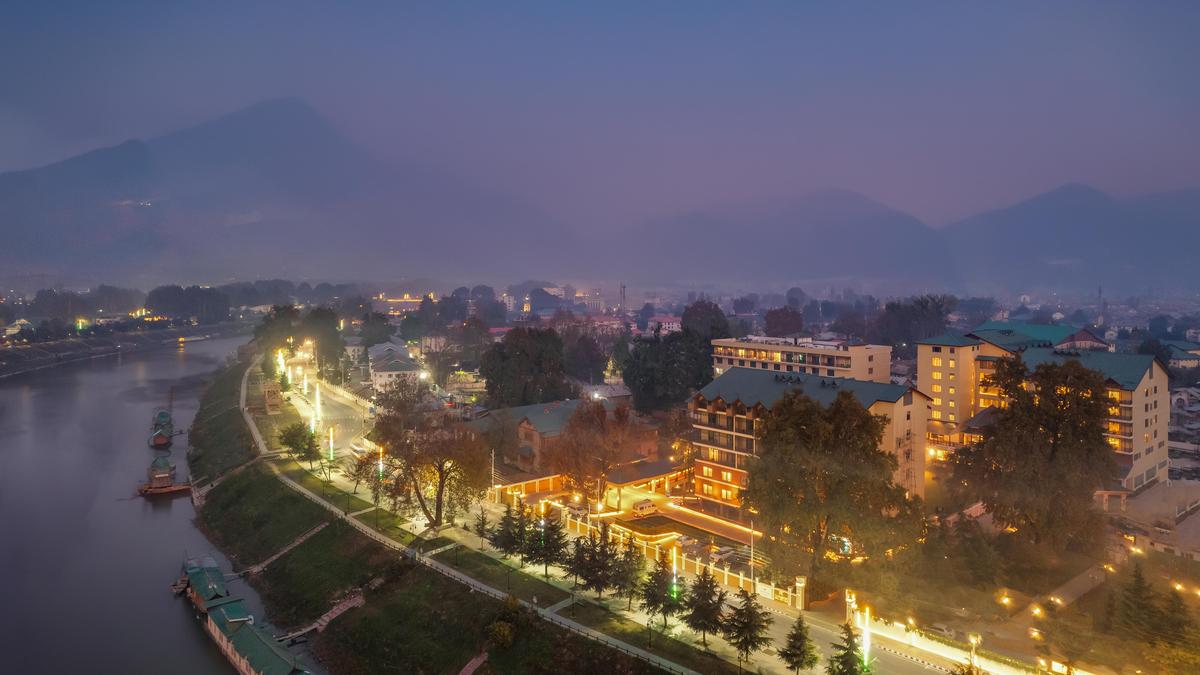
This guide offers a curated 36-hour itinerary for first-time visitors to Srinagar, highlighting its blend of historic heritage and natural beauty. It encourages travelers to experience local landmarks, architecture, and traditional culinary delights like wazwan.
Discovering Srinagar: A Gateway to Kashmir's Soul
Srinagar, the summer capital of Jammu and Kashmir, has long been perceived through the lens of cinematic drama and geopolitical tension. For many travelers from the southern regions of India, the city often exists as a distant concept shaped by media portrayals of snow-capped peaks and security concerns. However, a 36-hour exploration reveals a city that transcends these singular narratives, offering a profound coexistence of historical resilience and modern vibrancy.
The Heritage of Downtown Srinagar
At the heart of the city lies the downtown area, where the past is etched into every lane. The 600-year-old Jamia Masjid stands as a testament to this, offering a sanctuary of serenity that contrasts sharply with the surrounding urban bustle. Its unique architecture represents a departure from standard Islamic structural norms, reflecting the distinct cultural synthesis of the Kashmir Valley. Nearby, the Khanqah-e-Moula serves as another pillar of local history, grounding the city in centuries of spiritual and architectural legacy.
Nature and Modernity
Beyond the historic lanes, Srinagar showcases its natural splendor, most notably through Asia’s largest tulip garden. This site has become a cornerstone of Kashmiri tourism, drawing visitors who seek to witness the valley's seasonal transformations. When paired with the iconic sunrise over Dal Lake, these experiences provide a sensory immersion that challenges the static images often associated with the region, highlighting the breathtaking geography that defines the Kashmiri landscape.
Culinary and Social Anchors
No journey to Srinagar is complete without an engagement with its culinary identity. The traditional wazwan feast is not merely a meal; it is a ritualistic display of hospitality and heritage. By navigating the city—from the commercial hub of Lal Chowk to the quiet corners of the old city—travelers gain a nuanced perspective on the social fabric of the capital, witnessing a population that carries forward its honor and history amidst the complexities of the present day.
Implications for Future Tourism
This 36-hour itinerary serves as a microcosm of the broader shifts in regional tourism. As the perception of Kashmir evolves from a conflict-centric zone to a destination for cultural and heritage exploration, the city is increasingly becoming accessible to a wider demographic. The ability to reconcile the 'remnants of horror' with the 'heritage and honour' of the city suggests a trajectory toward greater normalization and a deeper appreciation for the Kashmiri way of life.
Summary
Ultimately, Srinagar offers a multi-layered experience that rewards the curious traveler. By balancing visits to ancient religious sites, vibrant markets, and natural landmarks, one can move past preconceived notions and experience the genuine warmth and enduring spirit of Kashmir’s capital.
Verification Required?