Bengal hotel fire: 7 charred to death in Birbhum, several critically injured
Source Entity
TOI CITY DESK
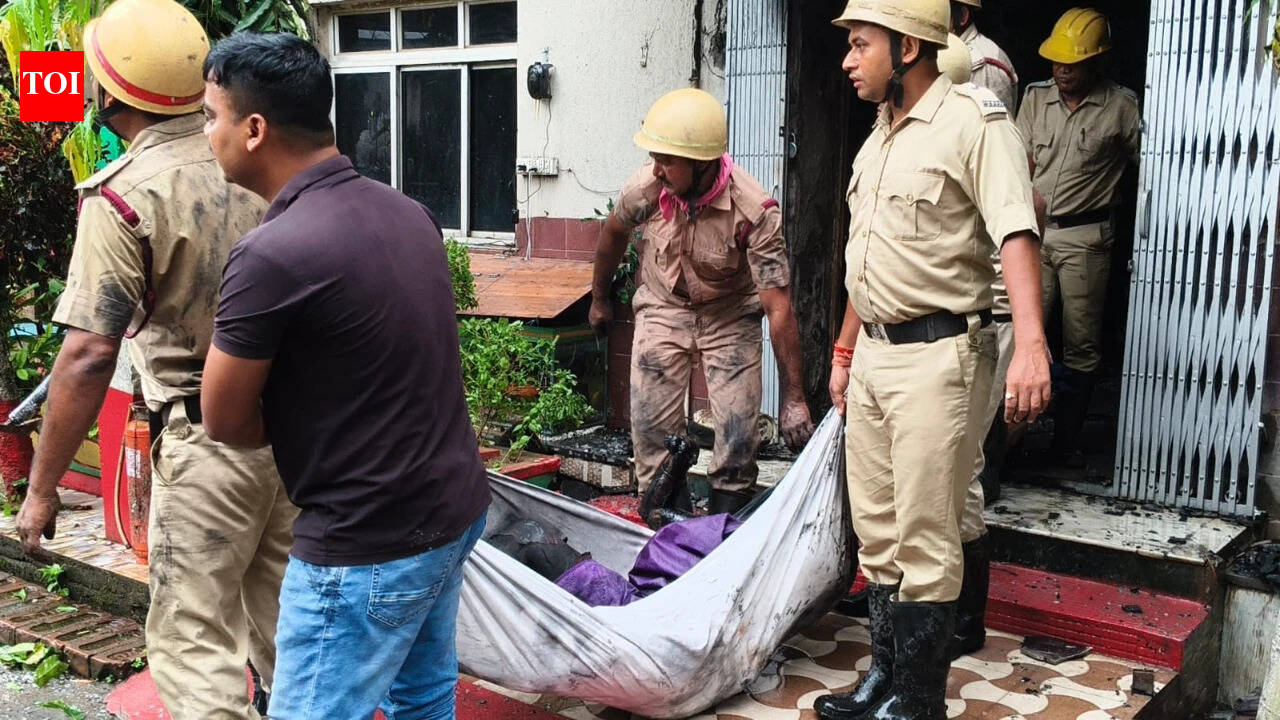
A devastating fire at Hotel Bideshinii in Tarapith, West Bengal, has resulted in the tragic deaths of seven guests due to asphyxiation. The blaze, reportedly triggered by a short circuit, trapped sleeping occupants in the multi-storey building early Monday morning.
Tragedy Strikes Tarapith: A Fatal Hotel Blaze
Early Monday morning, a catastrophic fire engulfed Hotel Bideshinii in Tarapith, West Bengal, resulting in the tragic loss of seven lives. The incident, which occurred in the Birbhum district, has left the local community in shock as emergency services scrambled to contain the inferno. The fire reportedly originated on the ground floor of the G+4 structure around 4:30 AM to 5:00 AM, a time when most guests were asleep, leaving them with little chance to react to the rapidly spreading danger.
The Mechanics of the Disaster
Initial reports suggest that a short circuit on the ground floor served as the primary ignition point for the blaze. The rapid escalation of the fire was exacerbated by the building's interior construction; the use of fiberglass, false ceilings, and other highly flammable materials created a toxic environment. As these materials burned, they released thick, suffocating smoke that quickly migrated to the upper floors, causing all seven victims to succumb to asphyxiation before they could escape the premises.
Challenges in Emergency Response
While fire tenders were dispatched to the scene promptly, the structural layout of the hotel and the timing of the event posed significant challenges. The guests, disoriented by the sudden onset of smoke in the pre-dawn hours, struggled to locate viable escape routes. The proximity of the hotel to the Tarapith police station allowed for a swift arrival of authorities, yet the speed at which the fire consumed the ground-floor reception area effectively cut off primary egress points for those on higher levels.
Medical and Humanitarian Impact
Following the successful containment of the fire, the focus shifted to the urgent medical needs of the survivors. Several individuals who sustained critical injuries were immediately transported to the Rampurhat Government Medical College and Hospital. The medical staff at the facility have been working to stabilize those suffering from smoke inhalation and burn-related trauma, as the district administration assesses the total impact of the tragedy on the visiting pilgrim population.
Broader Implications for Fire Safety
This incident highlights a recurring and critical issue regarding fire safety standards in hospitality establishments located in high-traffic pilgrimage sites. The reliance on inflammable interior design materials, coupled with potential electrical failures, underscores the necessity for rigorous, mandatory fire safety audits. As authorities investigate the specific cause and adherence to building codes at Hotel Bideshinii, the event serves as a grim reminder of the vulnerability of multi-storey commercial buildings lacking adequate fire-suppression systems.
Future Trends and Regulatory Needs
Looking forward, it is likely that the West Bengal government will face increased pressure to implement stricter enforcement of the National Building Code (NBC) for private hotels in tourist and religious hubs. Future safety trends will likely emphasize the installation of fire-rated doors, smoke detectors, and clearly marked, unobstructed emergency exits in all G+4 or higher residential structures. Ensuring that such tragedies do not repeat requires a proactive shift from reactive incident management to a culture of prevention and architectural accountability.
Multiple Citing Sources