US to tell partners they must pick sides in AI race with China
Source Entity
The Indian Express
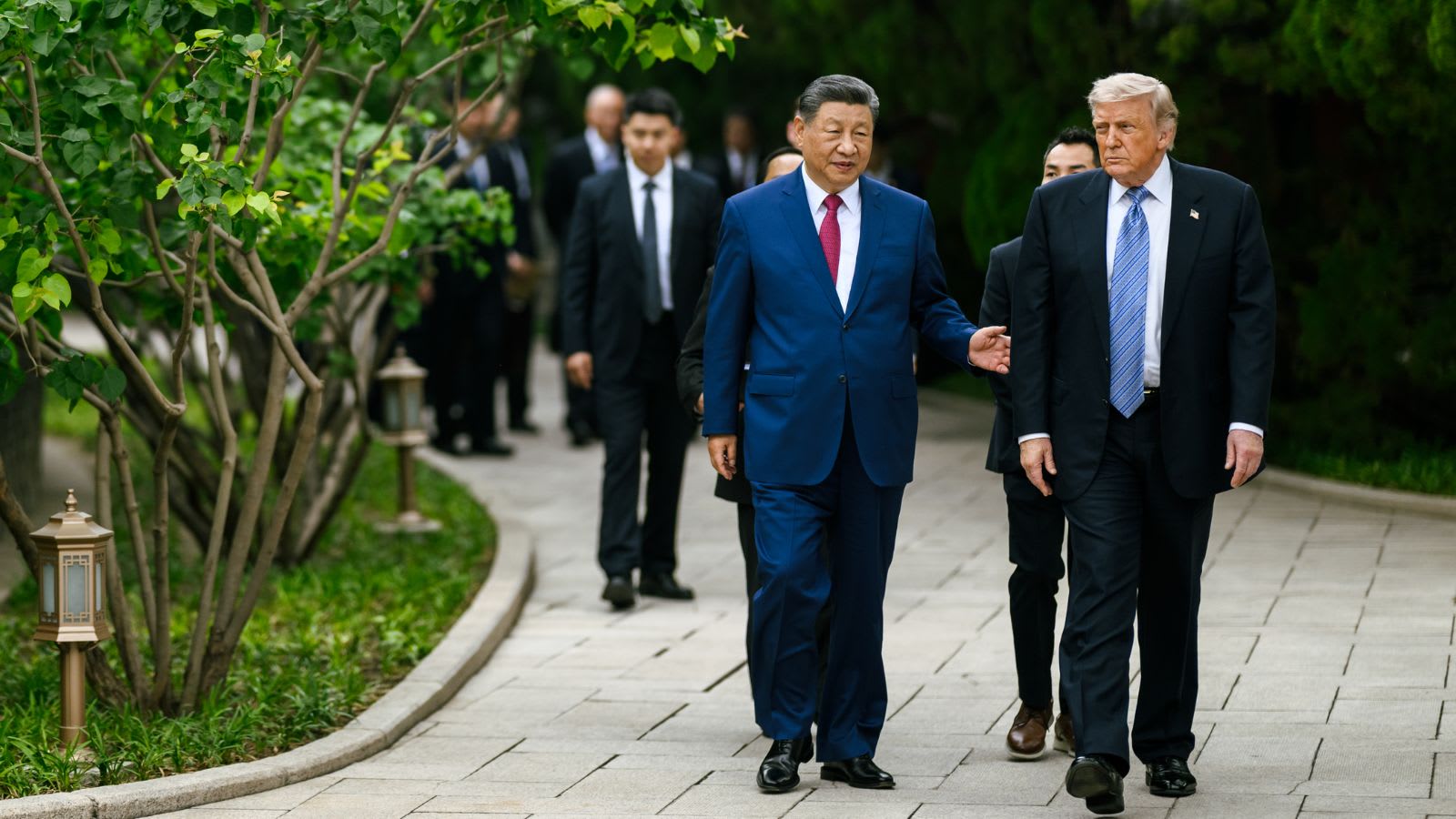
The U.S. is pressuring international partners to choose between its Pax Silica initiative and China's AI framework, aiming to secure critical supply chains. Simultaneously, the U.S. military is grappling with internal AI safety and security, leading to restrictions on specific AI products within defense systems.
The Geopolitical AI Arms Race: A Bipolar Technological Future
The global landscape is witnessing an intensifying technological bifurcation as the United States positions itself in a strategic AI arms race against China. This contest, which transcends mere software development, has evolved into a national security imperative. The U.S. government is now aggressively pressuring dozens of nations to align exclusively with its technological framework, forcing a departure from the 'à la carte' diplomatic approach that previously allowed countries to maintain dual partnerships.
The Pax Silica Initiative and Strategic Alignment
At the heart of this strategy is the 'Pax Silica' initiative, launched by Washington to secure the foundational components of the modern AI economy: semiconductors, critical minerals, and AI models. By mandating that signatories choose between the U.S. coalition and Beijing’s competing framework, the U.S. is attempting to insulate its supply chains from Chinese influence. This policy is particularly critical for nations like Kazakhstan, which serves as a vital source of raw materials yet has demonstrated interest in both power blocs, highlighting the friction inherent in this new era of technological alignment.
Internal Security and the Challenge of AI Governance
While the U.S. projects power externally, it faces significant internal hurdles regarding the integration of artificial intelligence into its own military and intelligence apparatus. The recent directive by the U.S. Air Force to remove Anthropic’s products from weapons and control systems by September 1 underscores the profound anxiety regarding AI safety. This move reveals that the U.S. military is still struggling to establish clear regulatory and security standards for the software powering its most sensitive national defense assets.
The Risks of Cyberwarfare and Weaponization
As AI becomes a central pillar of national defense, the potential for catastrophic failure in cyberwarfare and autonomous weapons systems grows. The U.S. government’s push for a unified technological bloc is, in part, a response to these risks. By controlling the ecosystem in which AI models are developed and deployed, Washington aims to mitigate the dangers of intellectual property theft and the proliferation of adversarial AI capabilities that could compromise national security.
Future Trends and Global Implications
Moving forward, the international community should expect a hardening of these technological borders. Countries that refuse to pick a side risk being excluded from the advanced semiconductor supply chains and AI-sharing agreements that will define the next decade of economic and military power. The mandate that 'to be part of everything is to be part of nothing' suggests that the era of neutral technological development is rapidly coming to an end, leading to a fragmented global digital infrastructure.
Conclusion
The dual challenge of managing domestic AI safety while enforcing international technological loyalty represents a high-stakes gamble for the United States. Whether this strategy succeeds in curbing China’s influence or instead alienates developing nations remains to be seen. What is certain, however, is that the integration of AI into global security has fundamentally rewritten the rules of international diplomacy and defense procurement.
Multiple Citing Sources