What Manila asked, Delhi can lead on
Source Entity
Latest News: Todays Latest News Headlines from India & World | Hindustan Times | Hindustan Times
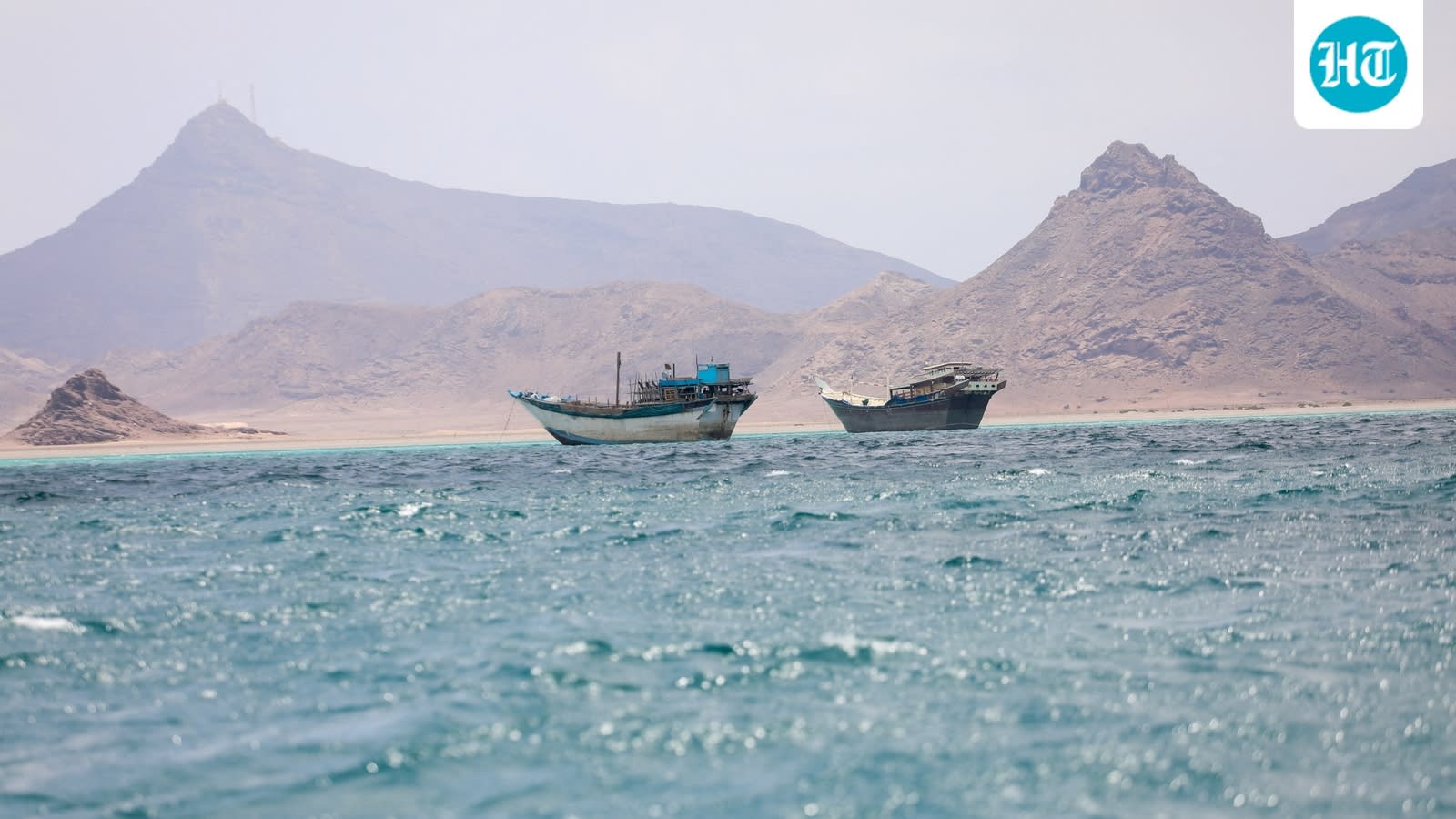
The closure of critical maritime chokepoints like the Suez Canal and the Red Sea poses severe risks to thousands of seafarers. With India being a top global supplier of maritime labor, the safety of these crews has become a primary national and international security concern.
The Perils of Maritime Chokepoints: A Historical and Modern Perspective
Lessons from the Great Bitter Lake
The historical closure of the Suez Canal in June 1967 serves as a haunting reminder of the vulnerability of global trade arteries. When fourteen merchant ships were trapped in the Great Bitter Lake for eight years, the world witnessed the resilience and absurdity of human endurance in isolation. The crew members, forced into an accidental community, improvised by printing their own stamps and organizing the 'Bitter Lake Olympic Games' to maintain morale. This event, as highlighted by military historian Manan S. Bhatt, is not merely a historical footnote but a stark warning: when narrow waterways are obstructed, the physical movement of goods ceases, but the human element remains trapped within a geopolitical vacuum.
The Human Cost in the Bab el-Mandeb
Today, the focus has shifted to the Bab el-Mandeb Strait, where the ongoing conflict has transformed commercial shipping lanes into high-risk zones. Recent reports indicate that ships are stagnating near the Yemeni coast, mirroring the helplessness of the 1967 crisis. The International Maritime Organization (IMO) data from July 23 reveals that approximately 6,000 seafarers are currently aboard nearly 500 ships navigating this volatile region. The primary concern is no longer just the delay of supply chains, but the direct threat to the lives of those who sustain global commerce under increasingly hostile conditions.
India’s Strategic Stakes
India occupies a unique position in this crisis as the world’s second-largest supplier of merchant seafarers, trailing only the Philippines. With over 311,000 Indian sailors currently active in the global maritime workforce, the nation has a profound, direct stake in the security of these waters. Approximately 23,000 Indian nationals are currently working in or around these conflict-prone zones. The tragedy of the situation is underscored by the loss of nine Indian lives since the onset of the current conflict, highlighting the immediate need for proactive diplomatic and maritime security measures.
Navigating Geopolitical Instability
The blockage of critical maritime passages creates a ripple effect that extends far beyond the immediate region. When ships are forced to wait or divert, the economic consequences are severe, but the humanitarian implications are often overlooked. The current situation in the Red Sea region requires a unified international response to ensure that merchant vessels—and the crews that operate them—are not treated as collateral damage in broader geopolitical disputes. History proves that when these routes close, the maritime industry struggles to protect its most valuable asset: the seafarer.
A Call for Global Leadership
As a major contributor to the global maritime labor force, India is uniquely positioned to advocate for the safety of mariners on the international stage. By leveraging its influence within the IMO and engaging with regional stakeholders, India can lead the conversation on establishing secure corridors and ensuring the protection of merchant vessels. The legacy of the Great Bitter Lake should serve as a catalyst for modern policy shifts, ensuring that the next generation of sailors is not left to improvise their survival in the face of international negligence. Protecting these crews is not just an economic imperative; it is a fundamental humanitarian duty.
Verification Required?