Shehzad Poonawalla quits BJP, cites ‘pressing financial and personal circumstances’
Source Entity
India Latest News: Top National Headlines Today & Breaking News | The Hindu
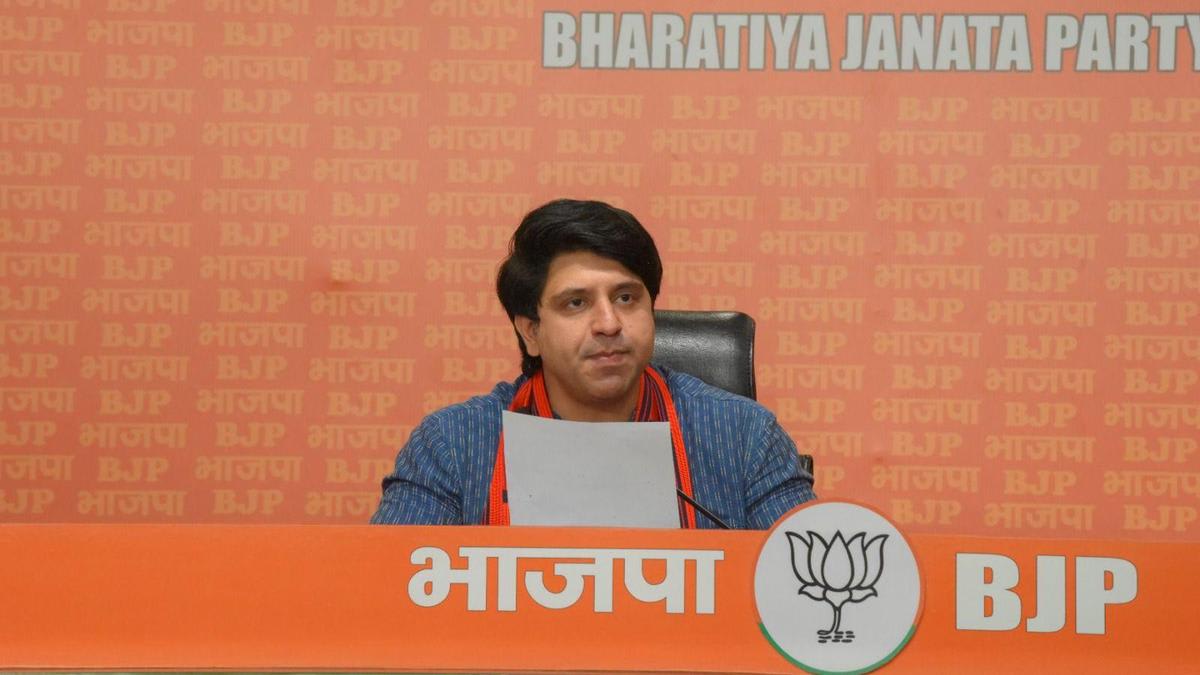
Prominent BJP spokesperson Shehzad Poonawalla has resubmitted his resignation from all party posts, citing urgent personal and financial circumstances. Despite previous attempts by the party leadership to retain him, Poonawalla intends to transition into the private sector.
The Resignation of a Key BJP Voice: An Analysis
Shehzad Poonawalla, a prominent figure in India's political discourse and a frequent face of the Bharatiya Janata Party (BJP) on national television, has formally resubmitted his resignation from all party positions. This move follows an earlier attempt to step down last month, which was reportedly met with requests from party leadership to reconsider. By doubling down on his decision, Poonawalla has signaled a definitive shift in his professional trajectory, citing 'pressing emergency financial and personal circumstances' as the primary drivers for his departure.
Navigating the Public-to-Private Transition
The transition from high-profile political advocacy to the private sector is a significant life event for any public figure. Poonawalla’s career has been defined by his role as a national spokesperson, where he served as a primary defender of BJP policies during heated television news debates. His decision to move to the private sector suggests a desire for a change in professional environment, moving away from the constant scrutiny of political media toward a different sphere of activity. This pivot highlights the challenges of maintaining a high-intensity political career while managing the volatility of personal financial and emergency obligations.
The Relationship Between Leadership and Spokespersons
In his communication, Poonawalla expressed profound gratitude toward the upper echelons of the BJP, naming leaders such as Prime Minister Narendra Modi, Union Home Minister Amit Shah, Defence Minister Rajnath Singh, and party leadership figures including Nitin Nabin and J.P. Nadda. The fact that the party leadership initially rejected his resignation underscores the value they placed on his contributions as a media face. This dynamic reflects the broader importance political parties in India place on their communication teams, which are essential for shaping public opinion in an increasingly digital and debate-heavy media landscape.
Broader Implications for Political Communication
As one of the most visible faces of the BJP’s media strategy, Poonawalla’s departure creates a vacuum in the party’s television presence. The role of a spokesperson requires a unique blend of rhetorical skill, deep policy knowledge, and the ability to handle aggressive media environments. His departure invites questions about how the party will realign its media representation and whether it will look to elevate new voices to fill the gap left by his exit. The move also highlights how individual political careers are often subject to personal exigencies that can supersede long-term political commitments.
Historical Context and Future Trends
Historically, political parties often see fluctuations in their spokesperson ranks as individuals seek fresh career paths or address personal needs. Poonawalla’s case is notable because of his high visibility; he has been a consistent fixture in the Indian political news cycle. Looking ahead, we can expect the BJP to undergo a transition period as they reorganize their communication team. For Poonawalla, the transition to the private sector marks a new chapter, though he has indicated an intention to continue supporting the party's principles in whatever capacity his new circumstances allow.
Summary of the Situation
Ultimately, Shehzad Poonawalla’s resubmission of his resignation is a clear indicator that his decision is final. While the party hierarchy attempted to retain his services, the weight of his personal and financial circumstances has necessitated a move away from active politics. This event serves as a reminder of the human element behind political figures, whose professional paths are often influenced by the same personal realities that affect the general public.
Multiple Citing Sources
Verification Required?