NH-52 blocked on Punjab-Haryana border as marching farmers camp at Khanauri
Source Entity
Raakhi Jagga
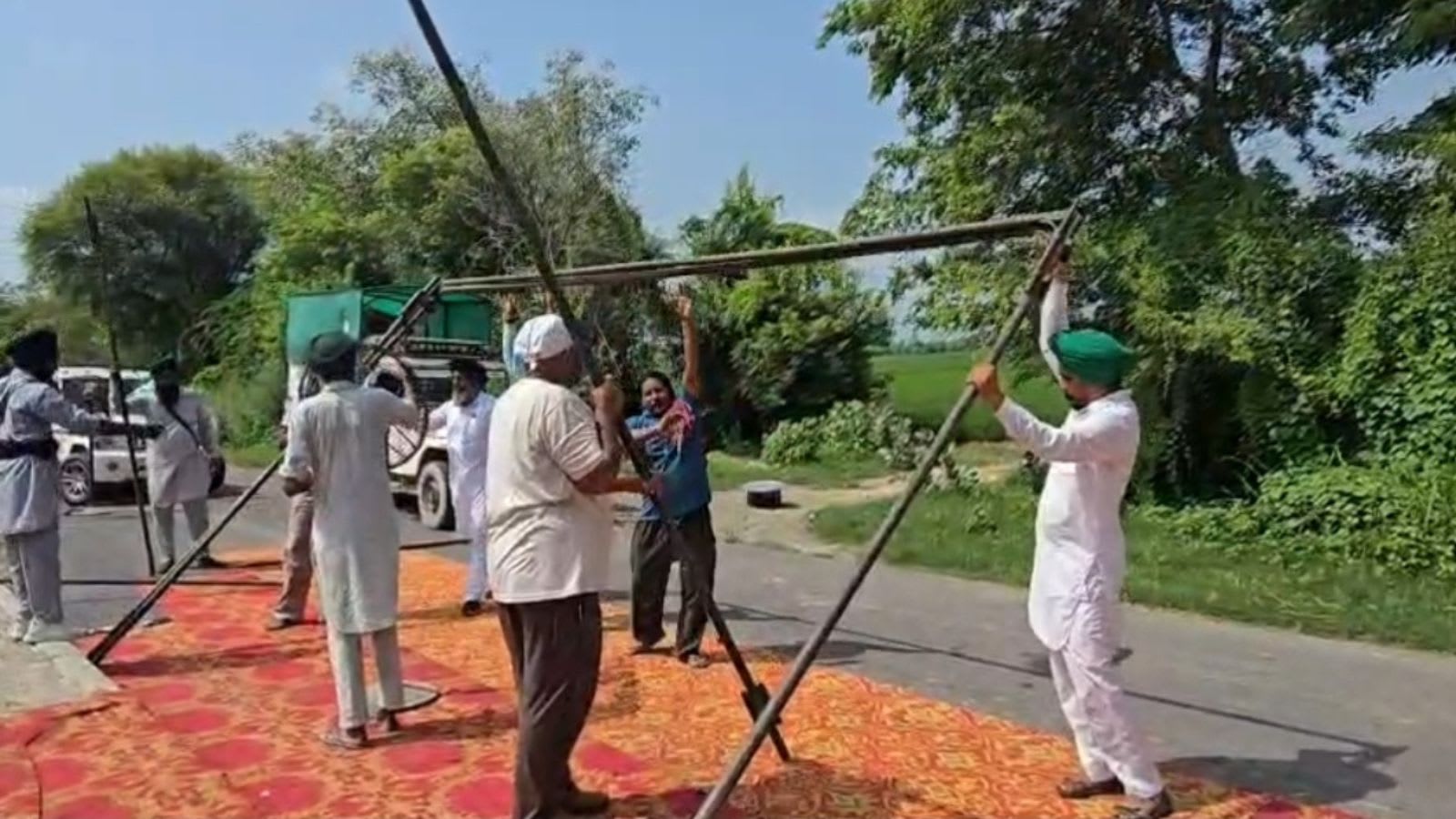
Farmers from the Samyukta Kisan Morcha (non-political) have blocked NH-52 at the Punjab-Haryana border after being stopped from marching to Delhi. The protesters are demonstrating against a proposed India-US trade deal, citing concerns over its potential impact on domestic agriculture.
Standoff at the Border: Farmers Protest Trade Deal
The Immediate Conflict
The situation at the Punjab-Haryana border has escalated as members of the Samyukta Kisan Morcha (non-political) have effectively blocked National Highway-52. This blockade follows the decision by the Haryana administration to halt the 'Kisan Bachao Padyatra,' a foot march intended to reach Delhi. By erecting tents directly on the highway, the protesters have signaled a shift from an active march to a stationary demonstration, underscoring the intensity of their opposition to current trade policies.
Motivations Behind the March
The primary catalyst for this unrest is the proposed India-US trade deal. The farmers, led by convenor Jagjit Singh Dallewal, argue that such international agreements pose a significant threat to the livelihoods of Indian agriculturists. By planning to march 228 kilometers to Jantar Mantar, the organizers intended to bring their concerns directly to the national capital, reflecting a broader pattern of agrarian movements utilizing high-visibility protests to influence federal economic policy.
Logistical Challenges and Strategy
The scale of the protest was intended to be precise, with a core group of 51 farmers leading the march, supported by an additional 200 staff members. This structured approach suggests a highly organized effort to voice grievances against global trade frameworks. The decision to camp at the border once stopped demonstrates a tactical pivot; rather than dispersing, the group is leveraging the disruption of a major transit artery like NH-52 to exert pressure on the state and central administrations.
Historical Context of Agrarian Activism
This event is part of a continuing legacy of farmer-led resistance in India. The SKM (non-political) has consistently utilized mass mobilization to challenge legislative and economic decisions perceived as detrimental to smallholder farmers. The current standoff echoes previous instances where border blockades were used as a primary bargaining chip to force dialogue with the government, highlighting the ongoing tension between agricultural sectors and liberalized trade agendas.
Broader Economic Implications
The opposition to the India-US trade deal is rooted in fears regarding market access, price volatility, and the potential influx of subsidized foreign produce. As India seeks to strengthen its bilateral trade relations, the agricultural sector remains a sensitive point of negotiation. This protest highlights the challenge the government faces in balancing international trade commitments with the protectionist demands of its domestic farming population.
Future Trends and Resolution
Looking ahead, the resolution of this standoff will likely depend on the willingness of the government to engage in direct talks regarding the specific provisions of the trade deal. If the blockade continues, it may lead to significant logistical disruptions across the border region. Future trends suggest that unless there is a clear communication strategy regarding the impact of these trade agreements on rural livelihoods, such protests are likely to persist as a defining feature of India's agricultural policy landscape.