5 Years On The Run, Gujarat BJP Worker Arrested In Liquor Case
Source Entity
NDTV News Search Records Found 1000
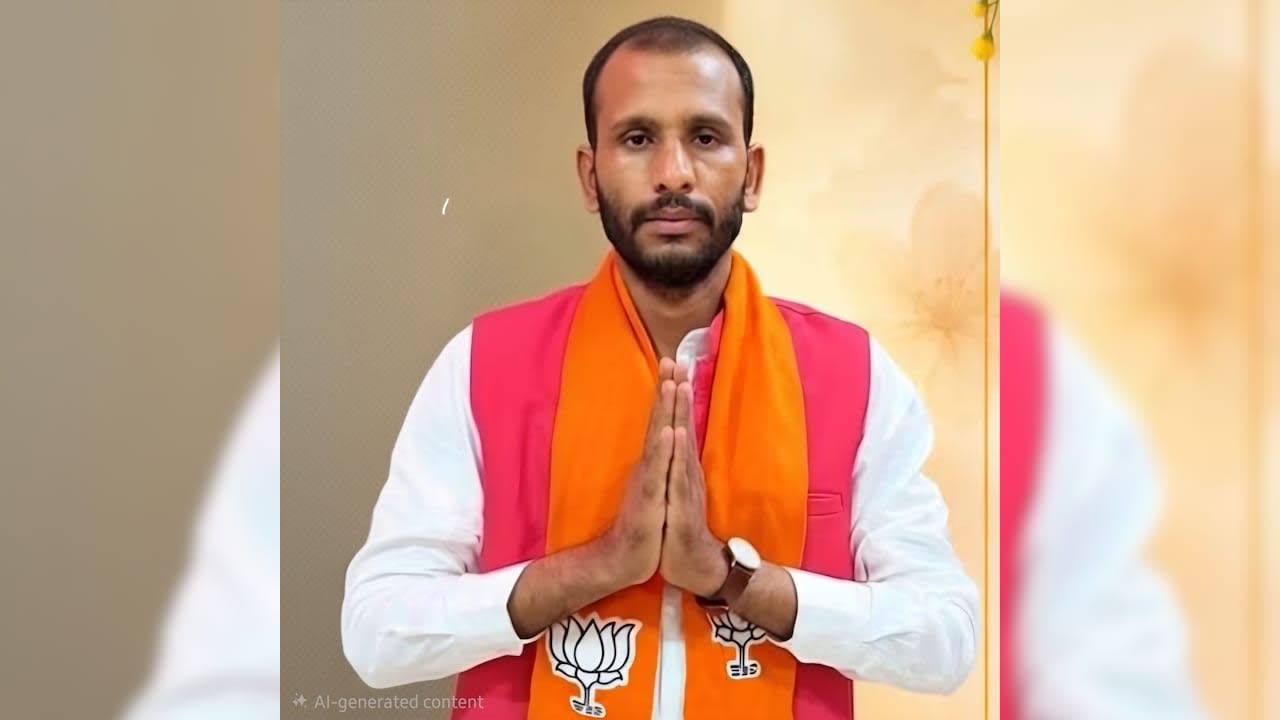
A Gujarat BJP worker named Mukesh has been arrested after evading authorities for five years in connection with a liquor-related case. The arrest follows a successful intelligence-led operation by local law enforcement.
The Fugitive Case: A Significant Legal Development
In a noteworthy development for regional law enforcement, a BJP worker identified as Mukesh has been taken into custody after five years as a fugitive. The individual had been evading authorities following his involvement in a liquor-related case, a matter that carries significant legal weight under Gujarat’s strict prohibition laws. The arrest marks the conclusion of a long-standing investigation that had remained unresolved for over half a decade.
The Role of Intelligence-Led Policing
The apprehension of the suspect was not a matter of chance but the result of precise, actionable intelligence gathered by local law enforcement officers. By focusing on specific intelligence streams rather than broad sweeps, the police were able to track the suspect’s movements and eventually execute the arrest. This successful operation underscores the evolving efficacy of local police units in utilizing targeted information to apprehend individuals who have managed to escape the reach of the law for extended periods.
Contextualizing Gujarat’s Prohibition Framework
To understand the gravity of this arrest, one must consider the historical and legal context of the state. Gujarat has maintained a stringent prohibition policy on the sale and consumption of liquor for decades. Legal infractions involving the illicit trade or distribution of alcohol are treated with high priority by the state administration. Consequently, a case that remains open for five years represents a persistent challenge to the state's regulatory enforcement, making the arrest of a politically affiliated individual a matter of public and administrative interest.
Political Implications and Accountability
The fact that the suspect was a recognized BJP worker adds a layer of political sensitivity to the incident. In any democratic system, the arrest of a party worker for criminal activity invites scrutiny regarding the distinction between political affiliation and legal accountability. The ability of the police to execute this arrest, regardless of the suspect's background, serves as a test of the impartiality of local law enforcement and the state's commitment to upholding the rule of law consistently across all sectors of society.
Future Trends in Enforcement
Looking ahead, this case signals a potential trend in how law enforcement agencies handle long-term cold cases. With improvements in digital record-keeping and inter-agency intelligence sharing, the 'shelf-life' of a fugitive is likely to decrease. As police departments continue to refine their intelligence-gathering capabilities, we can expect a more proactive approach to closing outstanding warrants, potentially leading to more high-profile arrests of individuals who have previously operated under the radar.
Conclusion
The arrest of Mukesh serves as a definitive end to a five-year evasion of the justice system. By successfully utilizing intelligence to locate and detain a fugitive, the local authorities have reinforced the state's commitment to its legal statutes. This event highlights the ongoing necessity for robust, impartial law enforcement that operates independently of political affiliations to ensure that judicial processes are followed to their conclusion.
Verification Required?