SC to look into plea to distinguish between criticism of judiciary and online distortion of what judges actually say in court
Source Entity
India Latest News: Top National Headlines Today & Breaking News | The Hindu
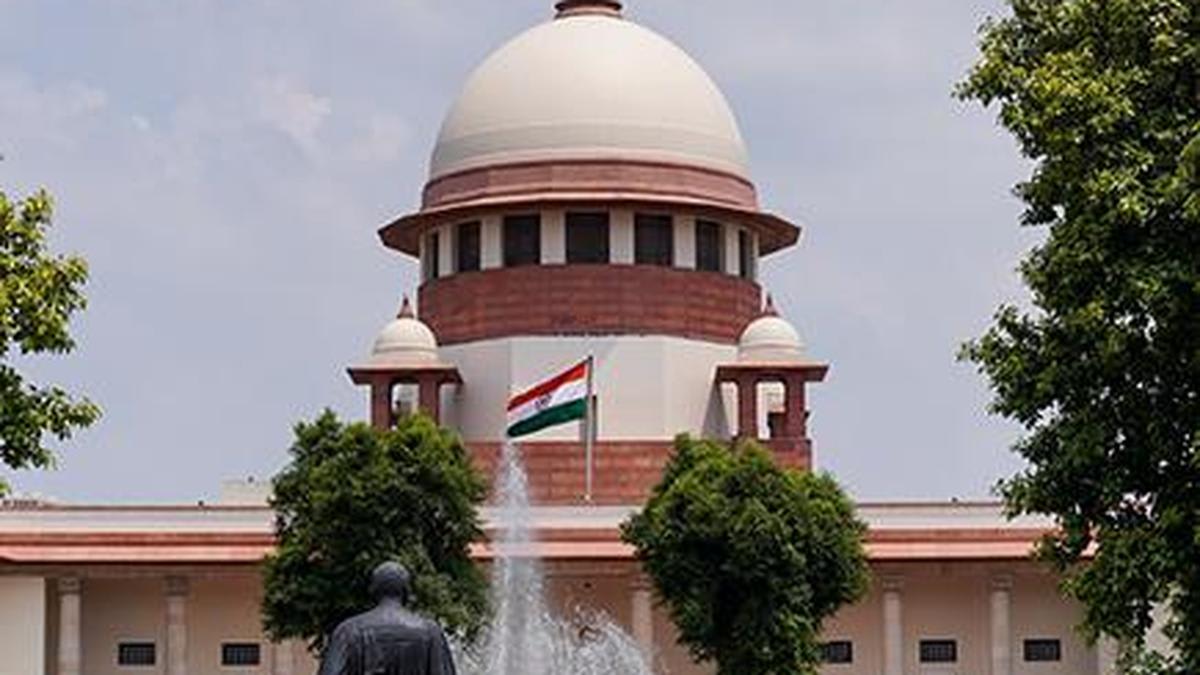
The Supreme Court has questioned the Bar Council of India's authority after its chairman issued a controversial, subsequently retracted, directive to debar NALSAR students for protesting an invitation to the CJI. The incident highlights significant internal friction within the BCI and constitutional concerns regarding students' rights to peaceful protest.
The BCI-NALSAR Standoff: A Constitutional Crisis
The recent controversy involving the Bar Council of India (BCI) and the 2026 graduating batch of NALSAR University of Law has sparked a significant legal debate regarding the limits of regulatory power. At the heart of the issue was a directive issued by BCI Chairman Manan Kumar Mishra, which sought to bar an entire batch of students from future enrollment as advocates simply for expressing reservations about the Chief Justice of India’s (CJI) invitation to their convocation. This unprecedented move has drawn sharp scrutiny from the Supreme Court, which is now demanding an explanation for the internal processes—or lack thereof—that led to such a drastic resolution.
Internal Dissent and the 'Walk Back'
The legitimacy of the BCI's directive was undermined almost immediately by its own leadership. Within six hours of the order being issued, at least four of the BCI’s 19 office bearers publicly distanced themselves from the chairman's actions. Three members opposed the directive outright, while a fourth sought substantial changes. This internal fracture suggests that the decision was not a collective institutional mandate but rather an individual exercise of authority that lacked the necessary consensus required for such a punitive measure against students.
Constitutional Protections for Student Expression
During the judicial review, the Supreme Court bench underscored the fundamental nature of the right to protest. CJI Surya Kant explicitly affirmed that students possess a fundamental right to freedom of speech and expression, stating clearly that no one can prevent them from protesting peacefully. By attempting to use the power of debarment to silence academic dissent, the BCI appeared to overstep its regulatory boundaries, potentially infringing upon the civil liberties that the legal profession is sworn to protect.
Institutional Overreach and the V-C’s Resistance
The resistance to the BCI’s directive was not limited to the judiciary. The Vice Chancellor of NALSAR University of Law refused to implement the order, labeling it potentially “unconstitutional.” This refusal highlights a growing tension between autonomous academic institutions and the regulatory bodies that oversee legal education. The attempt to create a blacklist of students based on their political or social expression sets a dangerous precedent that could stifle discourse within India's premier law schools.
Broader Implications for Legal Governance
The BCI, a body tasked with maintaining standards and discipline within the legal fraternity, now finds its own governance under the microscope. The Supreme Court's query, “Who are you?”, serves as a sharp reminder that even statutory bodies are subject to the rule of law and the constitutional safeguards of citizens. The incident has prompted a broader conversation about the need for transparent, democratic decision-making processes within the BCI to prevent future instances of perceived authoritarian overreach.
Conclusion: A Path Toward Reform
The rapid retraction of the directive by the BCI chairman is a testament to the power of institutional checks and balances. However, the event leaves lasting questions regarding the BCI's role in shaping the culture of legal education. As the Supreme Court continues to examine the procedural failures behind the resolution, the legal community remains hopeful that this episode will serve as a catalyst for reforming how regulatory bodies interact with the next generation of legal professionals.
Multiple Citing Sources
Verification Required?