CJI Surya Kant says 'never consented' to NALSAR's invite as student protest snowballs
Source Entity
Latest News: Todays Latest News Headlines from India & World | Hindustan Times | Hindustan Times
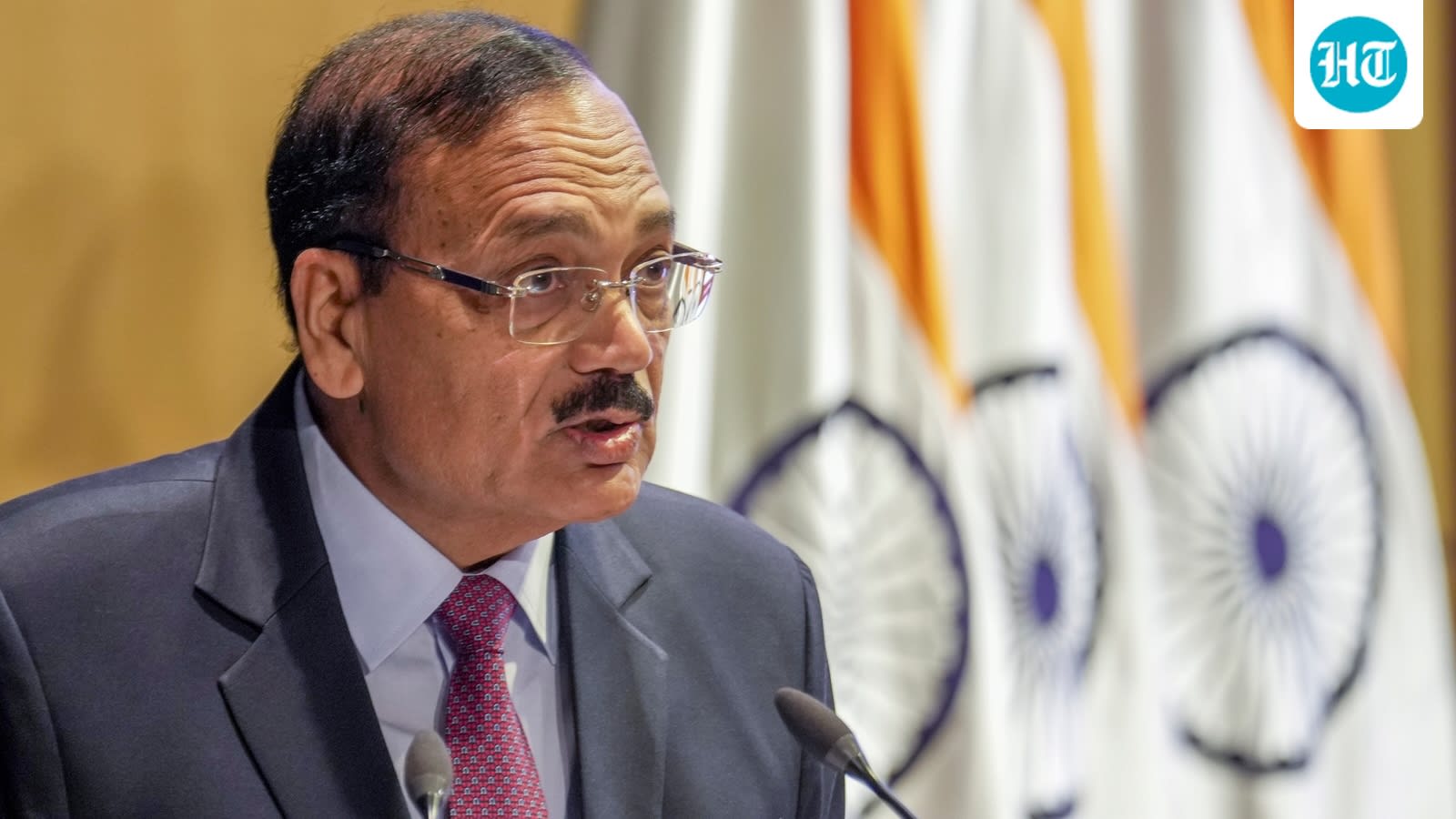
Chief Justice of India Surya Kant has clarified that he never accepted an invitation to attend the NALSAR University of Law convocation. This statement follows significant student protests and a brief, controversial intervention by the Bar Council of India regarding the event.
Clarification from the Chief Justice of India
Chief Justice of India (CJI) Surya Kant has officially clarified his position regarding the ongoing controversy surrounding the convocation at the National Academy of Legal Studies and Research (NALSAR) University of Law. In a definitive statement to the Times of India, the CJI asserted that he never provided consent to attend the event as the chief guest. This clarification effectively shuts down speculation regarding his potential presence at the ceremony, as he stated that the question of him attending simply does not arise.
The Genesis of the Controversy
The situation began when a section of students at the Hyderabad-based law university expressed opposition to the invitation extended to the CJI. This internal dissent quickly escalated into a wider public discourse regarding the relationship between the judiciary and student bodies. The protest drew national attention, transforming what is typically a routine academic milestone into a focal point for debates surrounding judicial decorum and student activism within prestigious legal institutions.
The Bar Council of India’s Intervention
The narrative grew more complex following the involvement of the Bar Council of India (BCI). On August 13, BCI chairperson Manan Kumar Mishra issued a directive threatening to bar the 2026 graduating batch of NALSAR from enrollment. This action was met with swift backlash and was retracted by the BCI within hours. A follow-up directive calling for an inquiry into the student protests was also subsequently dropped, a move that followed a direct rebuke from the CJI himself.
Judicial Independence and Academic Autonomy
This incident highlights the sensitive balance between academic freedom and the respect accorded to constitutional offices. By distancing himself from the invitation, CJI Surya Kant has signaled a desire to insulate the judiciary from the localized conflicts of university campuses. The episode underscores the importance of maintaining institutional boundaries, especially when student-led protests intersect with the offices of the highest judicial authorities in the country.
Broader Implications for Legal Education
The fallout from this event serves as a case study for future interactions between law schools and the judiciary. The rapid escalation caused by the BCI’s initial threats demonstrates the volatility of such situations when regulatory bodies intervene prematurely. As the dust settles at NALSAR, the focus has shifted back to the academic achievements of the students, with the university moving forward to conduct its convocation without the presence of the CJI.
Conclusion
Ultimately, the CJI’s clarification serves to de-escalate the tension surrounding the event. By confirming that he never accepted the invitation, the CJI has successfully neutralized the controversy, allowing the institution to proceed with its academic calendar. The event remains a significant moment in recent Indian legal education history, marking a collision between student expression, institutional governance, and the stature of the Supreme Court.
Multiple Citing Sources
Verification Required?