Bombay HC clerk typing test glitches: Aspirants halt protest, demand re-exam
Source Entity
Latest News: Todays Latest News Headlines from India & World | Hindustan Times | Hindustan Times
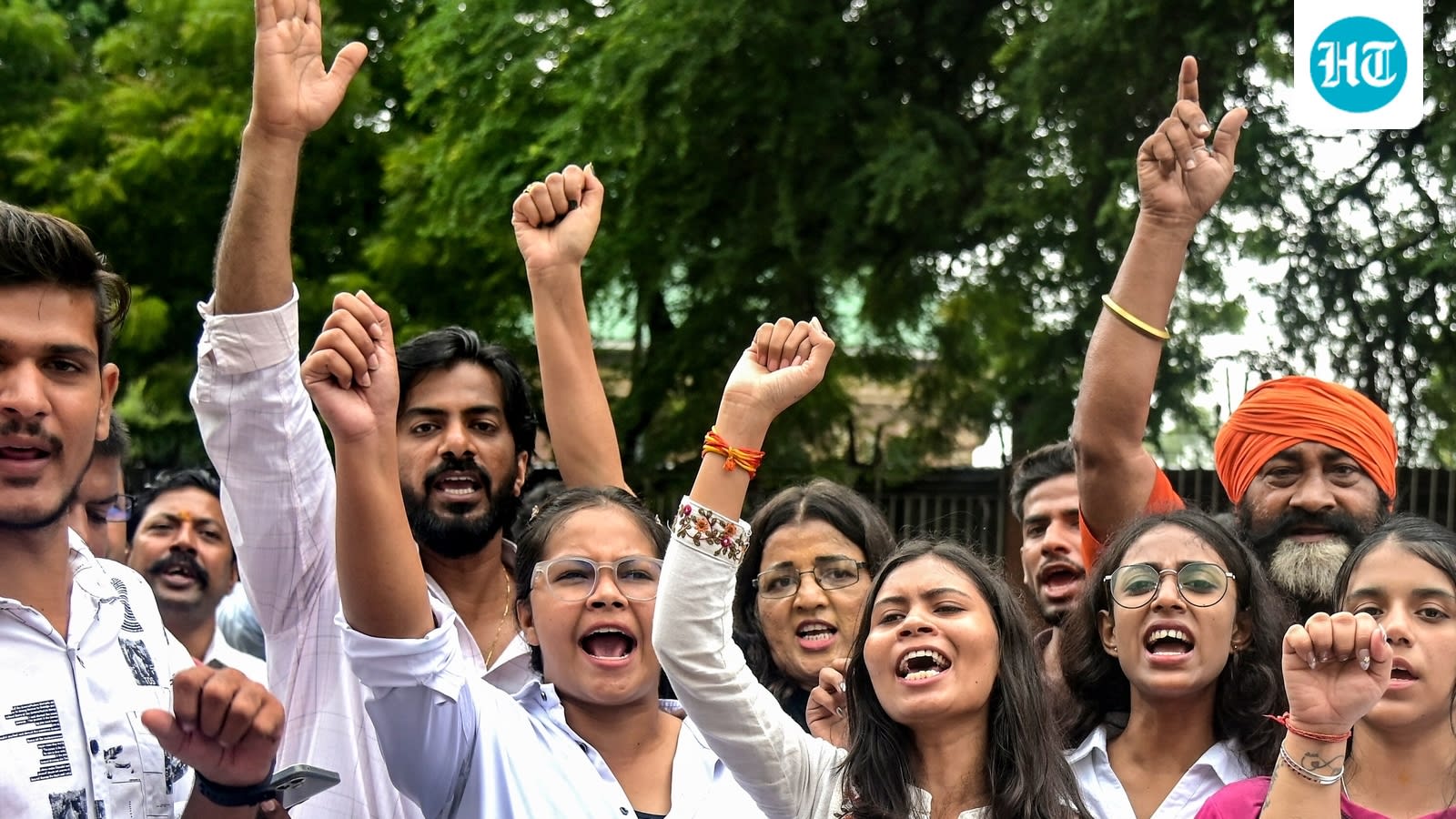
The Cockroach Janta Party (CJP) is demanding a re-test for the Bombay High Court clerk recruitment exam following reports of widespread technical glitches. Candidates allege that faulty hardware and server issues led to unfair disqualifications, prompting protests in Chhatrapati Sambhajinagar.
Alleged Technical Failures Disrupt Bombay HC Clerk Exam
The integrity of the recruitment process for the Bombay High Court clerk position has come under intense scrutiny following widespread reports of technical failures during the typing examination. Candidates participating in the test reported significant hardware malfunctions, including non-functional mice and faulty keyboards, which hindered their ability to complete the required tasks. These mechanical issues were compounded by reports of candidates being unexpectedly logged out of the examination servers shortly after beginning the test.
Intervention by the Cockroach Janta Party
Abhijeet Dipke, founder of the Cockroach Janta Party (CJP), has emerged as a vocal advocate for the affected aspirants. After receiving reports from students regarding the irregularities, Dipke joined a public demonstration in Chhatrapati Sambhajinagar on August 16, 2026. He has formally demanded that the Bombay High Court conduct the entire examination process afresh, arguing that the technical environment provided was insufficient and that many candidates were declared failed through no fault of their own.
The Recurring Problem of Digital Infrastructure
This incident highlights a persistent challenge within India’s competitive examination landscape: the reliability of digital infrastructure. Dipke noted that this is not an isolated occurrence, pointing to a broader pattern of server crashes and equipment failures that have plagued various online examinations across Maharashtra and the country. When the infrastructure fails to support the volume or technical requirements of a high-stakes exam, the fundamental meritocratic principle—that a candidate's score reflects their ability rather than the quality of their computer—is severely compromised.
Institutional Response and Discrepancies
The Bombay High Court registrar (personnel) has acknowledged the situation, issuing a communication that maintains the examination was conducted smoothly in general. However, the registrar admitted that technical issues were reported at specific examination centers, with Aurangabad and Kalyan being identified as primary locations of concern. This discrepancy between the official stance of a smooth process and the lived experience of the candidates has fueled the current wave of protests and demands for accountability.
Broader Implications for Competitive Exams
The struggle of these candidates underscores the high stakes involved in government recruitment. For many, these exams represent a critical pathway to stable employment, and technical glitches that lead to automatic disqualification can have long-lasting negative impacts on a student's career trajectory. As the demand for a re-test gains traction, the incident serves as a reminder of the urgent need for rigorous stress-testing of digital examination environments to ensure they are robust enough to handle high-stakes recruitment.
Conclusion
The situation remains fluid as candidates continue to voice their grievances. The call for a re-test by the CJP and the affected aspirants places the onus on the judicial administration to balance the need for an efficient recruitment cycle with the imperative of fairness. Ensuring that every candidate has a functional, equitable testing environment is not merely a logistical necessity but a requirement for maintaining public trust in the judicial recruitment process.
Multiple Citing Sources
Verification Required?