Crop Damage No Ground To Block Elephant Corridors, Says Supreme Court
Source Entity
NDTV News Search Records Found 1000
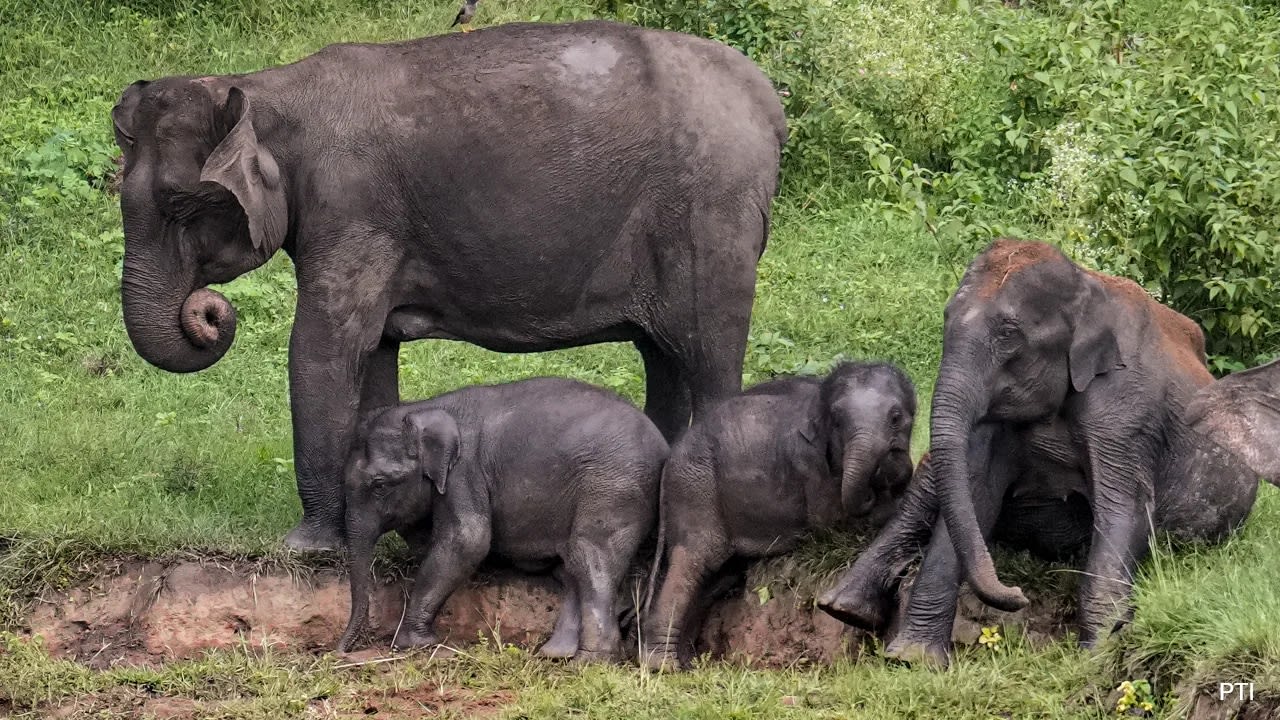
The Supreme Court of India has ordered a nationwide survey of elephant corridors, ruling that states cannot obstruct migratory paths to prevent crop damage. The bench emphasized that blocking traditional routes is not an effective solution to human-animal conflict.
Supreme Court Mandates Protection of Elephant Corridors
In a landmark directive issued on August 17, 2026, the Supreme Court of India has taken a decisive stand to protect the migratory routes of wild elephants. A three-judge bench, presided over by Chief Justice of India Surya Kant, alongside Justices Joymalya Bagchi and V. Mohana, explicitly ruled that state governments cannot obstruct or block traditional elephant corridors under the guise of preventing crop damage. This ruling underscores the judiciary’s commitment to preserving wildlife habitats against encroaching human development and state-level interference.
The Legal Stance Against Obstruction
The core of the Supreme Court’s argument rests on the biological necessity of elephant migration. Chief Justice Surya Kant emphasized that elephant herds are migratory by nature, often traveling across multiple state boundaries. By declaring that "no State can say that just because crops are getting destroyed, there have to be obstacles in their path," the Court has effectively delegitimized the construction of barriers—such as walls, fences, or other physical impediments—as a mitigation strategy for human-animal conflict.
Redefining Human-Animal Conflict Management
The judiciary has made it clear that blocking corridors is not a viable or humane solution to the ongoing issue of human-elephant conflict. Instead, the Court has signaled a need for a paradigm shift in how authorities manage these interactions. By explicitly calling for a ban on harmful deterrents like fireballs and spikes, the bench is pushing for modern, scientific approaches to coexistence rather than exclusionary tactics that threaten the survival of the species.
Nationwide Survey and Federal Responsibility
To ensure the long-term success of this conservation effort, the Supreme Court has directed the Centre to conduct a comprehensive, fresh survey of all elephant corridors across India. This national-level assessment is crucial because elephant movement does not adhere to political or state borders. By centralizing the oversight of these pathways, the Court aims to ensure a unified policy that prioritizes the ecological integrity of these ancient routes over localized agricultural or developmental interests.
Broader Implications for Conservation
This ruling serves as a significant precedent in environmental law, reinforcing the idea that wildlife corridors are essential infrastructure for biodiversity. As India continues to develop, the pressure on natural habitats increases; this judicial intervention acts as a necessary check, ensuring that developmental goals do not come at the cost of the country's megafauna. The focus on "free passage" as a right for wildlife marks a progressive step in Indian conservation jurisprudence.
Future Trends in Wildlife Protection
Looking ahead, the success of this directive will depend on the effective implementation of the Centre’s survey and the subsequent removal of existing illegal obstructions. Future trends likely involve increased federal funding for corridor restoration and the adoption of technology-based monitoring to manage human-elephant interactions. By prioritizing connectivity, the Supreme Court has laid the groundwork for a more sustainable approach to landscape management that respects the natural behaviors of elephants while addressing the concerns of local communities.
Verification Required?