Paramount seeks $1.88 billion bond from state AGs over merger lawsuit
Source Entity
Yahoo Finance
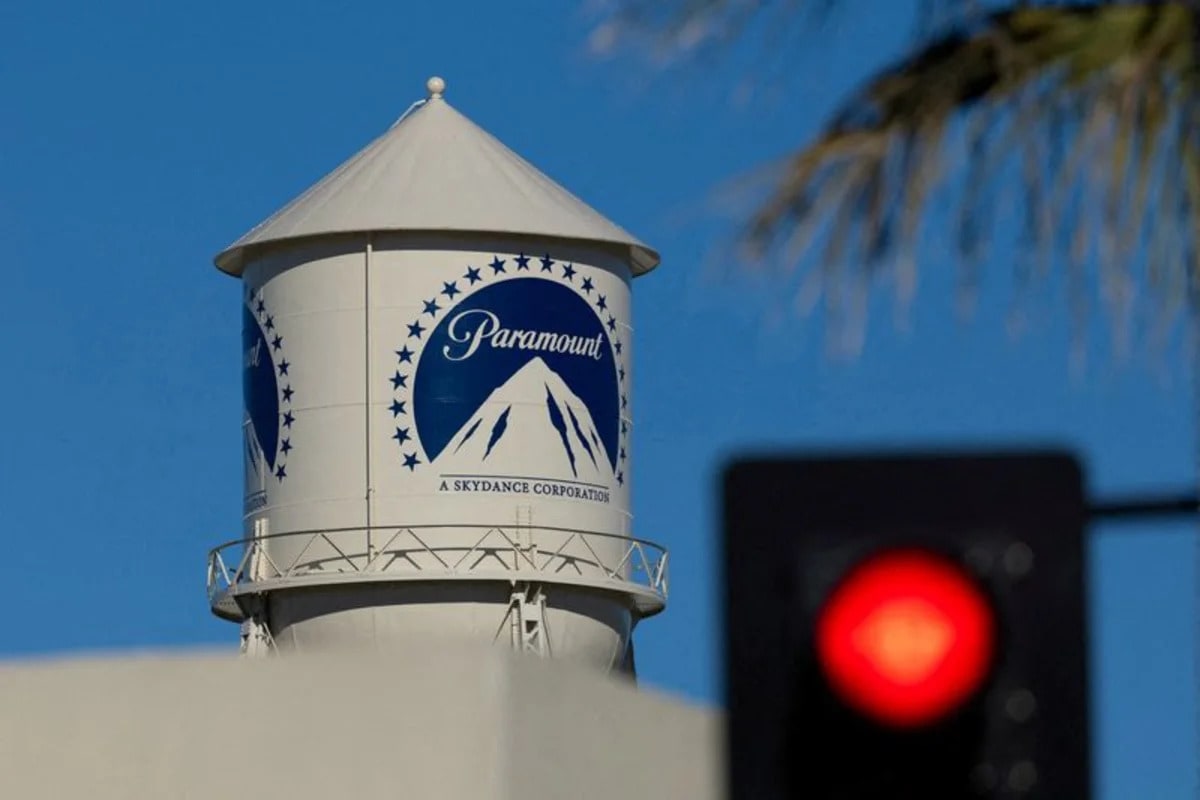
Paramount has requested that states challenging its merger with Warner Bros. Discovery post a $1.88 billion bond to cover mounting delay costs. The company faces $7 million in daily 'ticking fees' if the deal fails to close by September 30, with total losses potentially exceeding $1.3 billion.
The High-Stakes Financial Tug-of-War in the Paramount-Warner Merger
Financial Pressure and the 'Ticking Fee' Dilemma
Paramount’s recent filing in U.S. court marks a significant escalation in the legal battle surrounding its $110 billion merger with Warner Bros. Discovery. At the heart of this request for a $1.88 billion bond is the concept of 'ticking fees'—financial penalties that accrue daily, forcing the company to pay $7 million for every day the merger remains incomplete past the September 30 deadline. These fees represent a massive, unrecoverable drain on corporate resources, illustrating the extreme pressure Paramount faces to finalize the acquisition before the window of fiscal viability begins to shrink.
The Legal Strategy Against State Challenges
By asking a dozen states to post a bond, Paramount is effectively attempting to shift the financial risk of the litigation onto the plaintiffs. The company argues that the states’ legal challenge, which is not set to go to trial until March, creates a structural delay that guarantees significant financial damage. If the court grants this request, it would be a rare move that forces state attorneys general to put up capital to sustain their legal challenge, potentially acting as a deterrent against protracted judicial delays that threaten the deal's existence.
Regulatory Timelines and Expiration Risks
Beyond the immediate financial burden of the ticking fees, Paramount is facing a critical regulatory hurdle: the U.S. Justice Department’s approval for the merger is slated to expire on February 19. This creates a narrow path for the companies to close the deal. If the legal process drags on through the March trial and into the April briefing period, the expiration of the DOJ approval could effectively kill the merger regardless of the outcome in court, leaving the company in a precarious position.
Economic Implications for Shareholders
Paramount’s filing highlights the potential for $1.3 billion in unrecoverable payments to Warner Bros. shareholders. This figure is not merely an accounting entry; it represents a substantial loss that could impact the company’s post-merger valuation and operational liquidity. The request for a $1.88 billion bond is a tactical maneuver intended to ensure that if the states are ultimately unsuccessful in their challenge, the company has a mechanism to recoup these significant expenditures.
Future Trends in Media Consolidation
This case serves as a bellwether for the modern landscape of media consolidation, where mega-mergers are increasingly subjected to intense scrutiny from state-level regulators. The intersection of strict regulatory expiration dates and high-cost operational debt creates a volatile environment for entertainment giants. If Paramount succeeds in securing this bond, it could set a precedent for how corporations manage legal opposition in future high-value acquisitions, fundamentally altering the risk-reward calculations for mergers in the digital age.
Conclusion
The legal standoff between Paramount and the dozen states challenging its merger is a high-stakes gamble that pits corporate efficiency against regulatory oversight. With billions of dollars in ticking fees and the looming expiration of federal approvals, the outcome of this bond request will likely determine the feasibility of the entire $110 billion transaction. As the March trial approaches, the court’s decision on this bond will be a pivotal moment in one of the most complex media industry consolidations in recent history.