Russia targets Danube port after one of Ukraine’s largest aerial attacks of the war
Source Entity
US Top News and Analysis
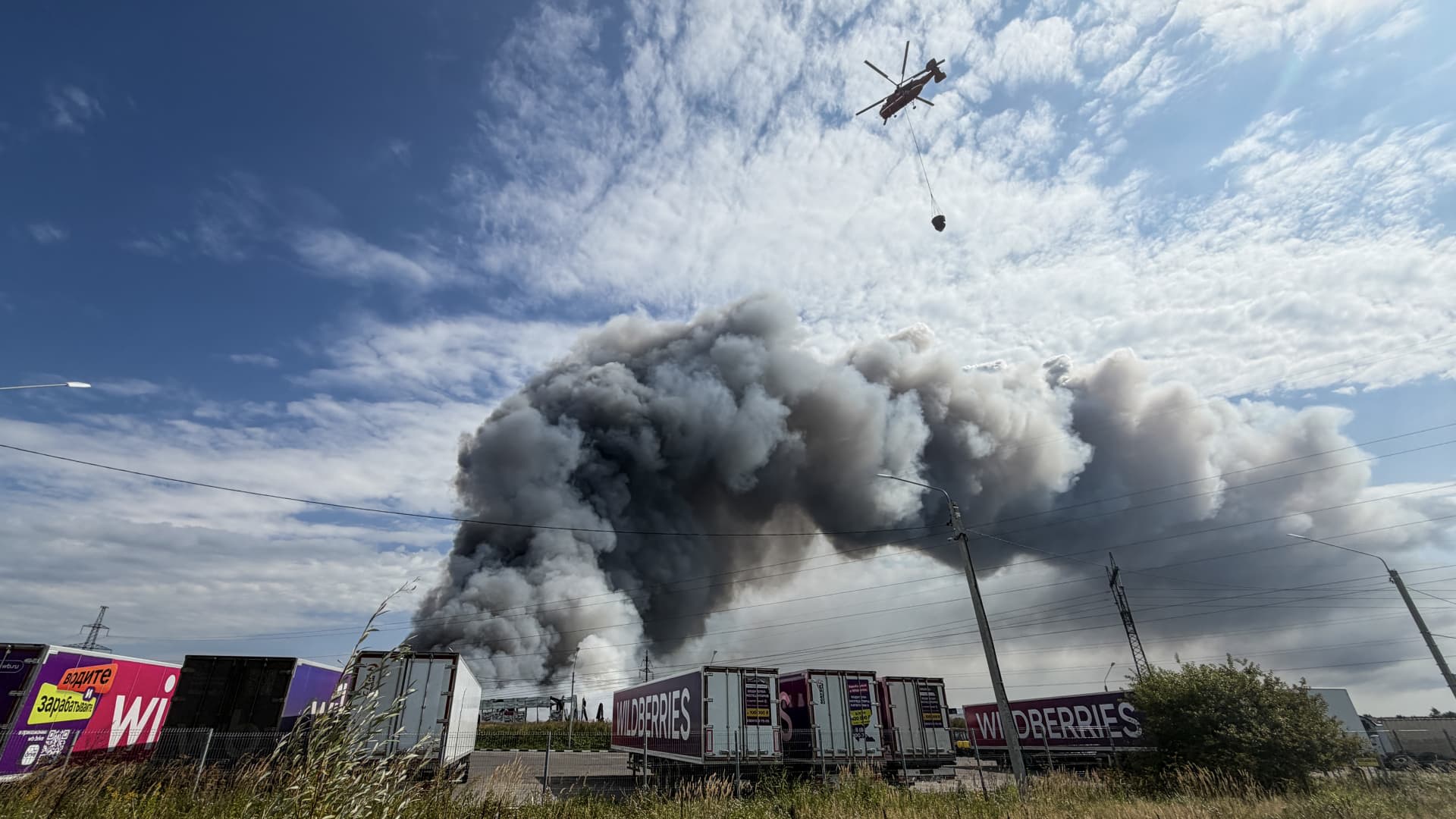
Ukraine launched an unprecedented, large-scale drone offensive against Russian territory, resulting in significant civilian casualties and intercepted strikes. Russia retaliated by targeting critical port infrastructure in Ukraine's Odesa region, further intensifying the ongoing conflict.
The Escalation of Aerial Warfare: A New Threshold
The recent exchange of hostilities marks a significant escalation in the ongoing conflict between Ukraine and Russia, characterized by one of the largest coordinated drone offensives launched by Kyiv to date. According to Russian official reports, Moscow intercepted 822 Ukrainian drones during an overnight operation that targeted multiple regions, including the capital and areas such as Rostov and Belgorod. The scale of this deployment suggests a strategic shift toward mass-saturation tactics, intended to overwhelm Russian air defense networks.
Humanitarian and Strategic Consequences
The human cost of this intensified aerial warfare has been immediate and tragic. Russian authorities have confirmed civilian fatalities in the Rostov and Belgorod regions, underscoring the lethal risks inherent in targeting urban centers with high-density drone swarms. These strikes, while aimed at military and logistical targets, have inevitably drawn civilians into the frontline of the conflict, complicating the diplomatic landscape and hardening the resolve of both belligerents in the face of mounting casualties.
Retaliation and Infrastructure Targeting
Russia’s response was swift and focused on Ukraine's critical logistics and trade infrastructure. Moscow launched a series of missile and drone strikes targeting the Odesa region, specifically the port of Izmail on the Danube River. This location is of paramount importance to Ukraine’s economy, serving as a vital node for grain exports and international trade. The damage sustained by a Togo-flagged civilian vessel and the reported injuries to four individuals highlight the vulnerability of international maritime commerce in the Black Sea region.
The Strategic Importance of the Danube Ports
Izmail’s proximity to the Romanian border makes it a focal point for international concern. By targeting this infrastructure, Russia is effectively attempting to cripple Ukraine’s remaining transport networks following the disruption of traditional Black Sea routes. The destruction of logistics hubs—such as the incident noted near Podolsk—demonstrates that Russia is increasingly focused on degrading the logistical depth of the Ukrainian state, aiming to stifle the economic sustainability required to maintain a prolonged war effort.
Future Trends and Regional Stability
Looking forward, this cycle of escalation suggests that both nations are moving toward a war of attrition defined by technological saturation. The reliance on low-cost, high-volume drone strikes indicates that aerial warfare will continue to dominate the tactical landscape. As both sides refine their interceptor capabilities and offensive reach, the risk of collateral damage—both to civilians and international assets—is likely to increase. The stability of the Black Sea corridor remains fragile, and continued strikes on port infrastructure threaten to exacerbate global food security concerns, given the region's reliance on Danube-based shipping lanes.
Summary of the Current Situation
In conclusion, the recent events represent a dangerous intensification of the conflict. With Ukraine employing mass-drone tactics to penetrate deep into Russian territory and Russia responding with calculated strikes on vital economic infrastructure, the theater of war has expanded in both scope and intensity. This tit-for-tat dynamic shows no signs of abatement, leaving regional security and international trade routes in a state of high volatility.