Strait of Hormuz shipping grinds to a halt ahead of U.S.-Iran ceasefire expiry
Source Entity
US Top News and Analysis
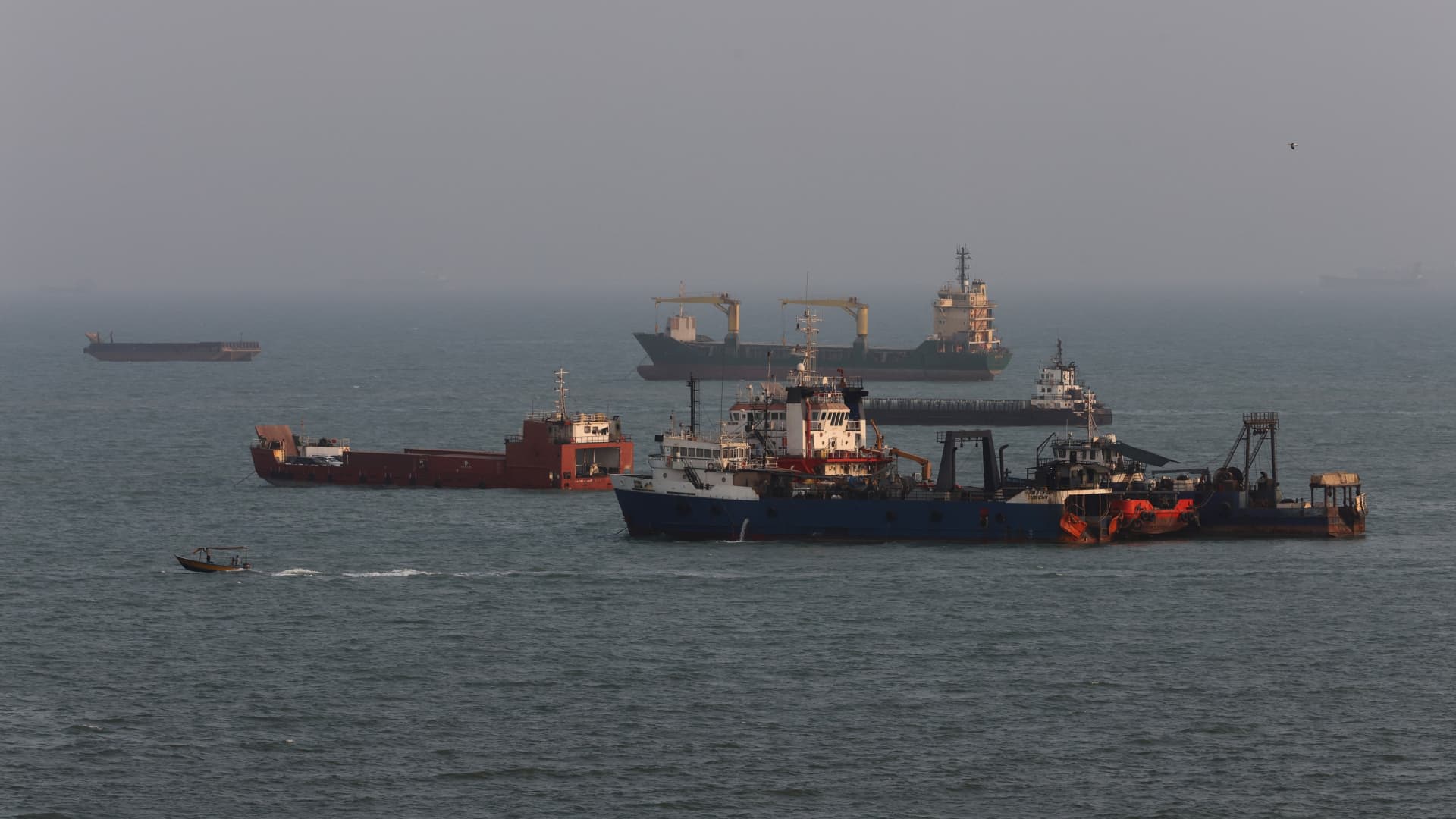
Oil prices remain steady as shipping through the Strait of Hormuz grinds to a halt amid stalled U.S.-Iran peace talks. The restricted flow of this critical trade corridor has fueled record profits for global oil majors.
The Strait of Hormuz Crisis: A Global Energy Bottleneck
Global energy markets are currently experiencing a period of intense volatility as shipping traffic through the Strait of Hormuz—the world’s most critical oil chokepoint—has slowed to a near-total standstill. This disruption follows a series of escalations, including attacks on Abu Dhabi National Oil Company tankers and a Saudi Aramco refinery, which have fundamentally altered the logistics of global energy transit. As of Monday, the cessation of vessel movement has coincided with the expiration of a 60-day U.S.-Iran ceasefire, leaving markets in a state of high uncertainty.
The Mechanics of the Supply Squeeze
The Strait of Hormuz serves as a vital artery connecting the Persian Gulf to the global market. Recent data from Kpler indicates that traffic has plummeted to historic lows, with zero ships registered to pass through the waterway on Sunday, compared to typical volumes that far exceed this. This decline is not merely a seasonal fluctuation but a direct consequence of the ongoing U.S.-Iran conflict. As diplomatic efforts led by officials like Iranian Foreign Minister Abbas Araqchi remain stalled, the physical ability to move crude from the Middle East to Asia and Europe has been severely compromised.
Market Response and Price Volatility
Despite the significant reduction in supply flow, oil prices have shown a degree of stability in early trade, with Brent crude at $88.89 and WTI at $82.57. This follows a volatile week where benchmarks surged over 5%. The market appears to be pricing in a 'new normal' where the threat of conflict is a constant, yet the immediate supply shock is being partially mitigated by existing reserves and shifts in production strategies. However, the lack of progress in peace talks suggests that the upward pressure on prices may persist if the corridor remains closed.
The Windfall for Oil Majors
While the broader economy faces inflationary pressures from rising energy costs, the current geopolitical climate has resulted in a massive financial windfall for the oil industry. Eight of the largest global oil firms have collectively reported profits exceeding $93 billion for the second quarter. This surge in earnings is directly linked to the restricted trade environment, as high fossil fuel prices allow these companies to capitalize on market scarcity. This trend highlights the deep divide between the geopolitical risks borne by the global public and the profitability of energy giants during times of conflict.
Future Trends and Diplomatic Deadlock
The expiration of the ceasefire without a follow-on agreement signals a perilous road ahead. Historically, the Strait of Hormuz has been a flashpoint for regional stability; its closure forces a reliance on more expensive and time-consuming alternative shipping routes, further increasing the cost of energy. As the standoff between the United States and Iran shows no sign of resolution, the global energy sector must brace for prolonged supply chain disruptions. Future market stability will depend almost entirely on whether diplomatic channels can be reopened to ensure the safe passage of tankers through this essential waterway.
Multiple Citing Sources