Yogendra Yadav, Neha Bora among several detained near Jantar Mantar on day 2 of anti-CEC protest
Source Entity
Sukrita Baruah
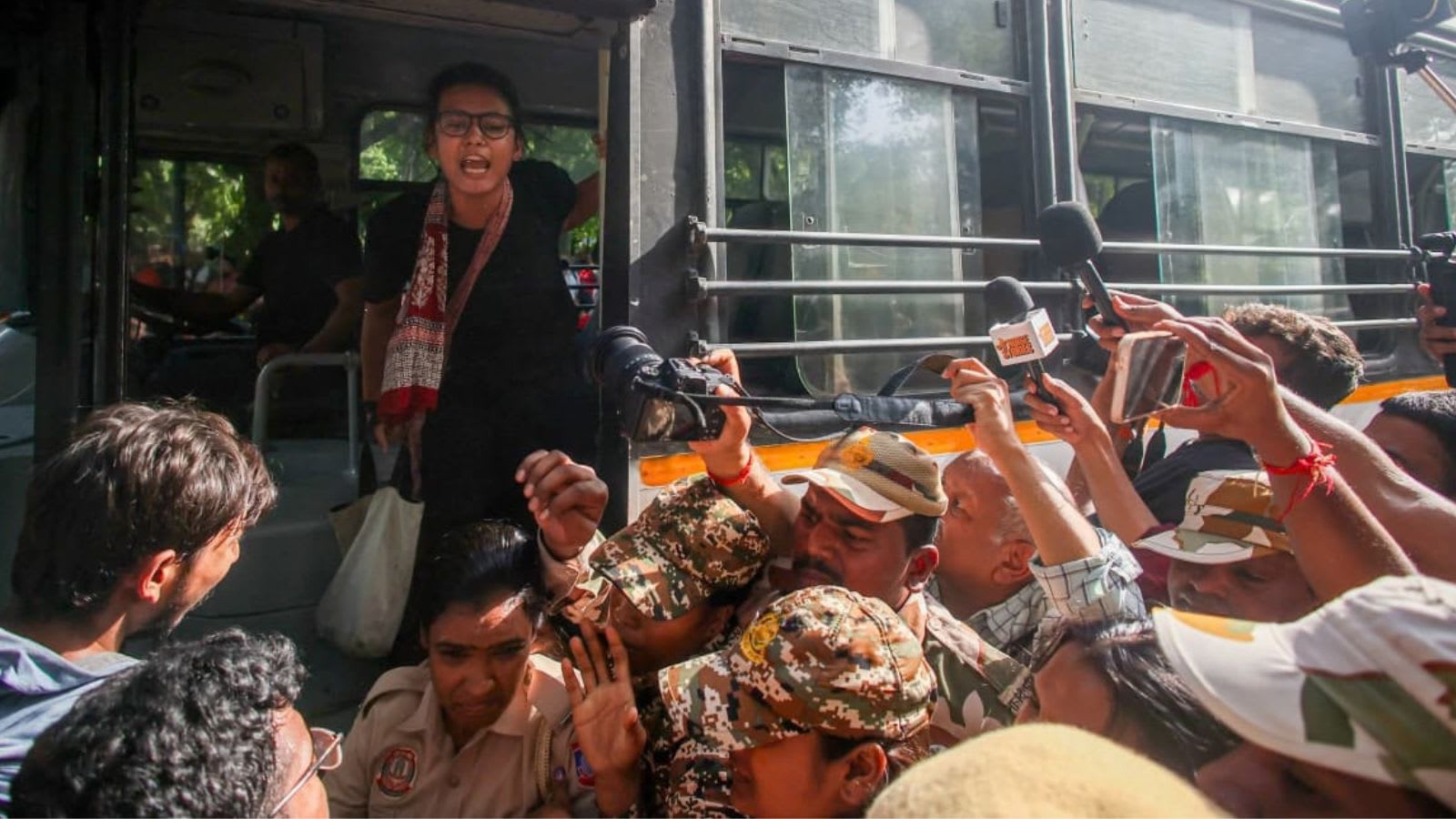
The Cockroach Janta Party (CJP), led by founder Abhijeet Dipke, has launched a nationwide protest demanding the resignation of CEC Gyanesh Kumar over alleged electoral roll irregularities. The movement, starting October 2, calls for freezing the 2025 electoral roll and establishing a more transparent appointment process for election officials.
The CJP Movement: Protesting Electoral Integrity
The Cockroach Janta Party (CJP), spearheaded by founder Abhijeet Dipke, has officially announced a nationwide agitation targeting the Election Commission of India. The movement, which commenced on October 2—coinciding with Gandhi Jayanti—began at Mumbai’s Shivaji Park. The primary catalyst for this unrest is an investigation into alleged internal discrepancies within the poll body regarding Special Intensive Revision (SIR) voter deletions, which the organization argues has disenfranchised a significant number of voters.
Core Demands and Allegations
At the heart of the CJP's grievance is Chief Election Commissioner (CEC) Gyanesh Kumar, whom the party has publicly labeled a 'traitor' and a 'puppet' of the current administration. Dipke and his fellow leaders, including Saurav Das, have demanded immediate criminal action against Kumar. Their platform is built on three central pillars: the resignation of the CEC, the freezing of the 2025 electoral roll, and the implementation of a transparent, civil society-inclusive process for the appointment of future Election Commissioners.
Strategic Expansion and Mobilization
Following the initial demonstration in Mumbai, the CJP plans to escalate its pressure by organizing 'morchas' in several major urban centers, including Goa, Bengaluru, and Kolkata. This strategy is designed to build momentum across different states before the movement reaches its planned culmination with a sit-in at Jantar Mantar in New Delhi. By decentralizing the protests, the party aims to draw wider attention to their claims of systemic irregularities.
Political Implications and Rhetoric
Abhijeet Dipke has framed the protest as a direct challenge to the political establishment. By asserting that if Gyanesh Kumar fails to resign, the movement will pivot its demands toward the resignation of Prime Minister Narendra Modi, the CJP is attempting to link the integrity of the electoral process directly to the legitimacy of the executive branch. These accusations suggest a deep-seated distrust in the current electoral machinery, with the party alleging that the CEC has been instrumental in securing electoral victories for the ruling party.
Future Trends in Election Oversight
The demand for a more transparent appointment process for the Election Commission reflects a growing trend in Indian political discourse concerning the independence of constitutional bodies. The CJP’s insistence on civil society participation highlights a broader societal push for increased accountability in how election officials are selected. Whether this movement gains sufficient traction to force policy changes remains to be seen, but it underscores the volatile intersection of electoral administration and political activism as the nation looks toward future election cycles.
Multiple Citing Sources