‘I agree’: Abhijeet Dipke backs post calling Neha Bora ‘more talented’ than him
Source Entity
PRACHI KUMAWAT
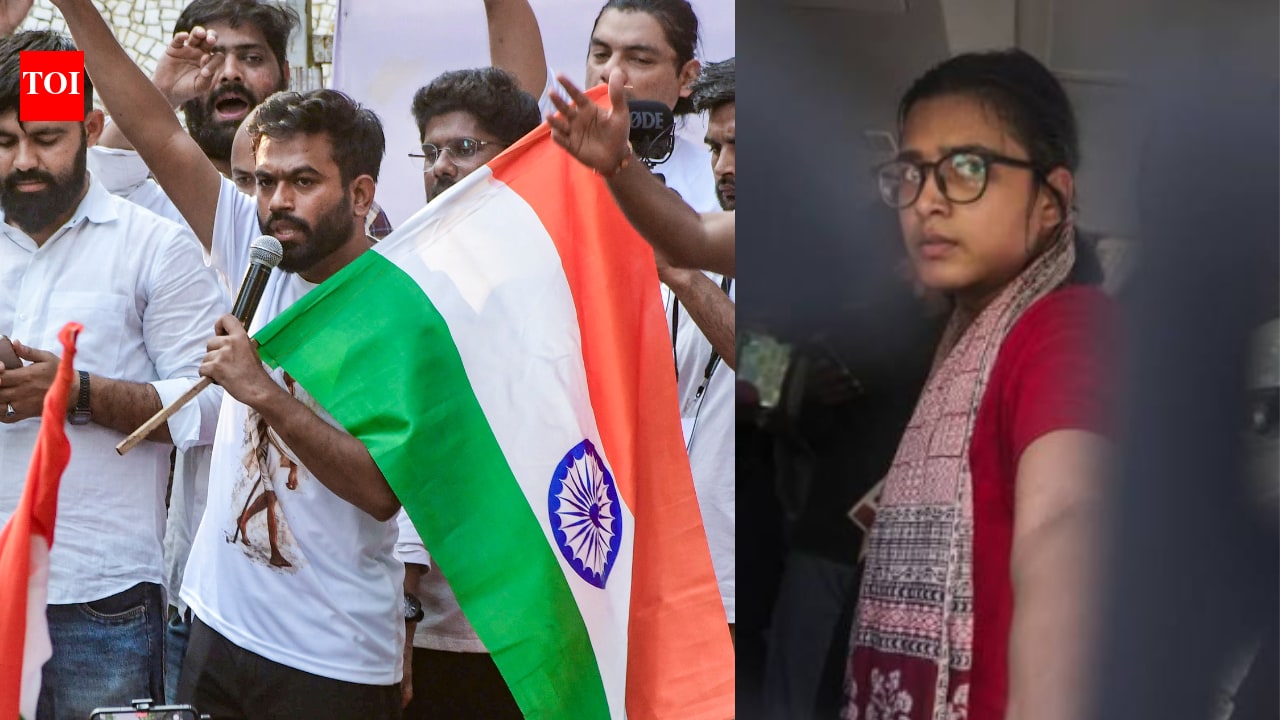
The Cockroach Janta Party, led by Abhijeet Dipke, has launched a nationwide protest demanding the resignation of CEC Gyanesh Kumar over alleged electoral roll irregularities. The movement, starting on October 2, calls for systemic reforms in the appointment of Election Commissioners and the freezing of 2025 voter rolls.
The Rise of the CJP: Challenging the Election Commission
The political landscape has been stirred by the Cockroach Janta Party (CJP), led by founder Abhijeet Dipke, which has initiated a significant nationwide agitation. The movement, which officially commenced on October 2—coinciding with Gandhi Jayanti—at Mumbai’s Shivaji Park, represents a direct confrontation with the Election Commission of India (ECI). The core of this protest centers on allegations regarding the management of electoral rolls, specifically concerning the Special Intensive Revision (SIR) process and the subsequent deletion of voter data.
The Catalyst: Internal Rifts and Electoral Integrity
The primary impetus for this protest is an investigative report that allegedly exposed an internal rift within the poll body regarding SIR voter deletions. Abhijeet Dipke, alongside fellow leader Saurav Das, has framed these deletions as a systemic failure, leading the party to label Chief Election Commissioner (CEC) Gyanesh Kumar as unfit for his constitutional role. The CJP’s narrative suggests that the current electoral administrative processes are being manipulated to favor specific political outcomes, a charge they have escalated to the highest levels of government.
Core Demands and Structural Reforms
The CJP has outlined three primary demands that define their platform. First, they are calling for the immediate resignation of Gyanesh Kumar and the initiation of criminal proceedings against him. Second, they are demanding that the 2025 electoral roll be frozen, insisting that future elections be conducted based on this specific list to prevent further unauthorized deletions. Third, they advocate for a fundamental change in the appointment process of the Chief Election Commissioner, calling for a transparent mechanism that includes active participation from civil society to ensure institutional independence.
Expansion Strategy: From Mumbai to New Delhi
What began as a localized protest in Mumbai is rapidly evolving into a broader, multi-city campaign. Dipke has announced that the 'Jail Bharo Andolan' will extend to major urban centers including Goa, Bengaluru, and Kolkata. This strategy is designed to build momentum across different states, highlighting the nationwide concerns regarding electoral transparency. The campaign is scheduled to culminate in a large-scale sit-in at Jantar Mantar in New Delhi, signaling the party’s intent to bring their grievances directly to the national capital.
Political Implications and Future Trends
The rhetoric employed by the CJP, including direct accusations against the CEC and the central leadership, indicates a shift in how fringe political movements are engaging with constitutional authorities. By linking the alleged electoral irregularities to the political fortunes of national leaders like Narendra Modi, the CJP is attempting to reframe administrative concerns as existential threats to democracy. As this movement gains visibility, it will likely test the government's response to public dissent against election management bodies and could potentially spark a wider debate on the necessity of electoral reforms in the coming years.
Multiple Citing Sources