Watch: CNG car explodes while refuelling on NH-48 near Gujarat's Karjan
Source Entity
PRASHANT RUPERA
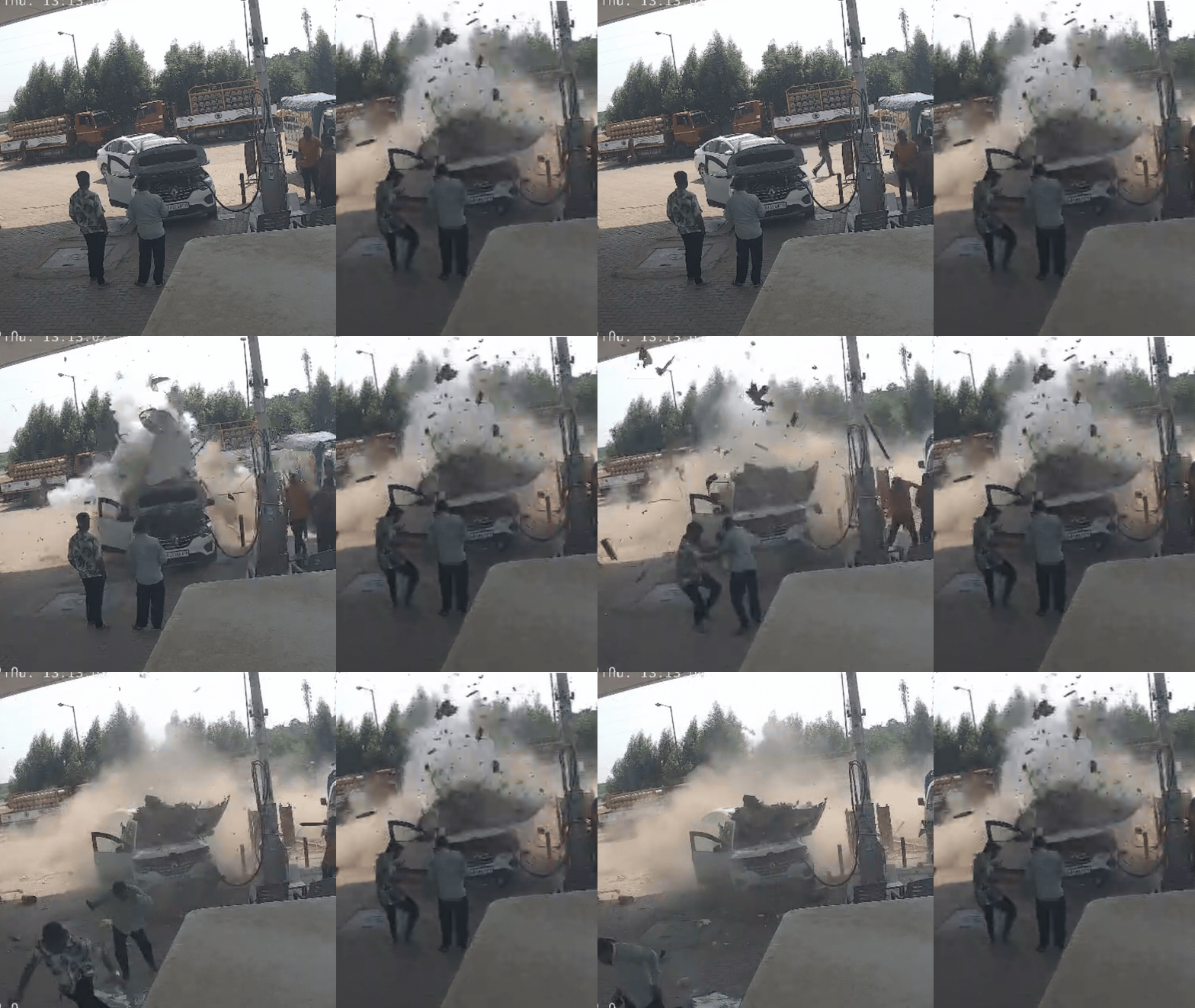
A car exploded at a CNG station on NH-48 near Karjan, Gujarat, after its gas tank burst during refueling. Fortunately, no injuries occurred as the vehicle was empty, though two nearby cars sustained damage.
Incident Overview: CNG Explosion in Karjan
On October 1, a significant safety incident occurred at a Compressed Natural Gas (CNG) station located on National Highway-48 (NH-48) near Karjan, Gujarat. A vehicle undergoing a routine refueling process suffered a catastrophic failure when its gas tank burst, triggering a powerful explosion. The force of the blast was substantial enough to scatter debris, including fragments of the vehicle's rear body and shattered glass, across the immediate vicinity of the station, which is situated opposite the Jindal Company facility.
Luck Averts Tragedy
The most critical aspect of this incident is the absence of human casualties. Reports confirm that no individuals were inside the vehicle at the time of the explosion. In automotive safety, the refueling process is often considered a high-risk moment; the fact that the cabin was unoccupied prevented what could have easily been a fatal tragedy. This outcome underscores the importance of safety protocols—specifically the common practice of requiring passengers to vacate vehicles during CNG refueling—which likely saved lives in this instance.
Collateral Damage and Safety Concerns
While the primary vehicle was destroyed, the impact extended to the surrounding environment. Two other vehicles parked nearby sustained damage due to the force of the blast and flying debris. This highlights the potential for wide-reaching consequences in high-traffic refueling zones. The incident serves as a stark reminder of the kinetic energy stored within pressurized gas tanks and the necessity for rigorous maintenance and inspection standards for vehicles converted to or manufactured for CNG use.
Technical Implications of Tank Failures
Technically, a gas tank bursting during a fill-up suggests a failure in the integrity of the cylinder, potentially due to material fatigue, improper installation, or the lack of mandatory periodic hydro-testing. CNG operates at high pressures—typically around 200 bar—making any compromise in the tank's structural shell extremely hazardous. This event will likely trigger local investigations into the maintenance history of the affected vehicle and the compliance standards of the CNG dispensing station involved.
Broader Context and Future Trends
As India continues to aggressively expand its CNG infrastructure to combat rising fuel costs and environmental concerns, the safety of the existing fleet becomes a national priority. The incident on NH-48 serves as a cautionary case study for automotive regulators and safety boards. Moving forward, authorities may increase the stringency of periodic vehicle fitness tests, particularly for older vehicles or those retrofitted with CNG kits, to ensure that the rapid adoption of green fuels does not come at the cost of public safety.