India News Live updates, 29 August 2026 |CNG price hiked by Rs 3.89/kg in Delhi
Source Entity
The Indian Express
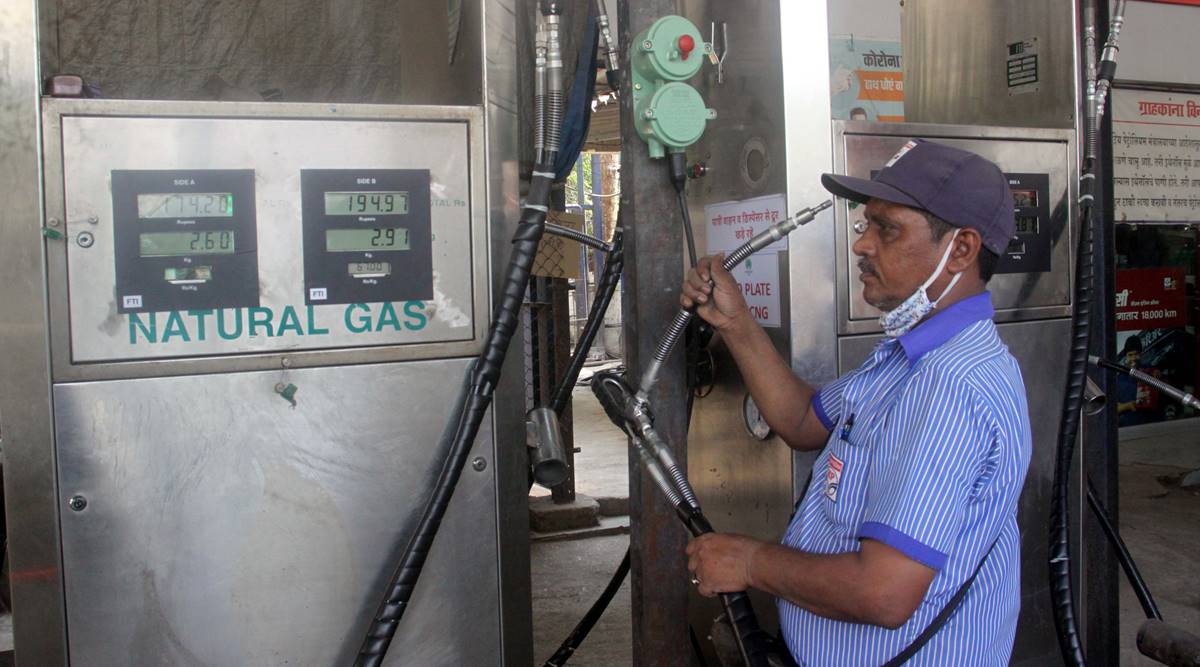
Indraprastha Gas Limited (IGL) has increased CNG prices in Delhi-NCR by Rs 3.89 per kg, citing rising global LNG costs and the ongoing West Asia crisis. This adjustment marks the fifth hike this year, bringing Delhi's retail price to Rs 86.98 per kg.
Analysis: Impact of Rising LNG Costs on Delhi-NCR CNG Pricing
The Current Market Adjustment
Indraprastha Gas Limited (IGL) has officially implemented a price hike of Rs 3.89 per kg for Compressed Natural Gas (CNG) across the Delhi-NCR region. This adjustment brings the retail price in the national capital to Rs 86.98 per kg. This move follows a period of stability since May, marking the fifth instance of price escalation for the fuel within the current calendar year. The revision reflects the direct pass-through of increased operational costs associated with the procurement of Liquefied Natural Gas (LNG) on the international market.
Geopolitical Drivers and Supply Chain Pressures
The primary catalyst for this price surge is rooted in global energy volatility, specifically the ongoing tensions in West Asia. IGL has explicitly cited the escalating conflict in the region and the potential for disruptions—such as the threat of a Hormuz blockade—as critical factors impacting supply chains. Because India remains heavily reliant on imported LNG to meet its domestic energy requirements, any instability in major energy-producing corridors inevitably forces domestic distributors to adjust retail rates to maintain fiscal viability.
Historical Context of Price Volatility
This recent hike is not an isolated event but rather part of a broader trend of inflationary pressure on clean energy alternatives. Earlier this year, in May, IGL executed a series of four phased price increases totaling Rs 6 per kg. These cumulative hikes underscore the sensitivity of the Indian CNG market to global commodity cycles. While CNG has long been promoted as a cost-effective and environmentally friendly alternative to traditional liquid fuels, its price is increasingly tethered to the complexities of international trade and geopolitical security.
Economic Implications for Consumers and Transit
For the average consumer in Delhi-NCR, this price hike represents a significant increase in daily commuting and operational costs. Given that a vast majority of public transport, including buses and auto-rickshaws, relies on CNG, the upward revision in fuel prices is likely to have a cascading effect on passenger fares and freight logistics. While IGL maintains that CNG remains one of the most economical fuel options when compared to petrol or diesel, the narrowing price gap may influence consumer sentiment and household budgeting in the short term.
Future Trends and Market Outlook
Looking ahead, the stability of CNG prices in the Delhi-NCR region will remain contingent upon the de-escalation of the West Asia crisis and the normalization of global LNG import costs. Should international energy markets remain volatile, consumers may face further price adjustments. The situation highlights the broader challenge India faces in balancing the transition to cleaner fuels with the reality of energy import dependency. Future trends will likely involve a closer examination of domestic production capabilities and the strategic necessity of diversifying energy sources to mitigate the impact of global supply chain shocks on the common citizen.
Multiple Citing Sources