CNG price hike: Compressed natural gas gets costlier; check city-wise rates
Source Entity
SHIVANGHI PAYAL
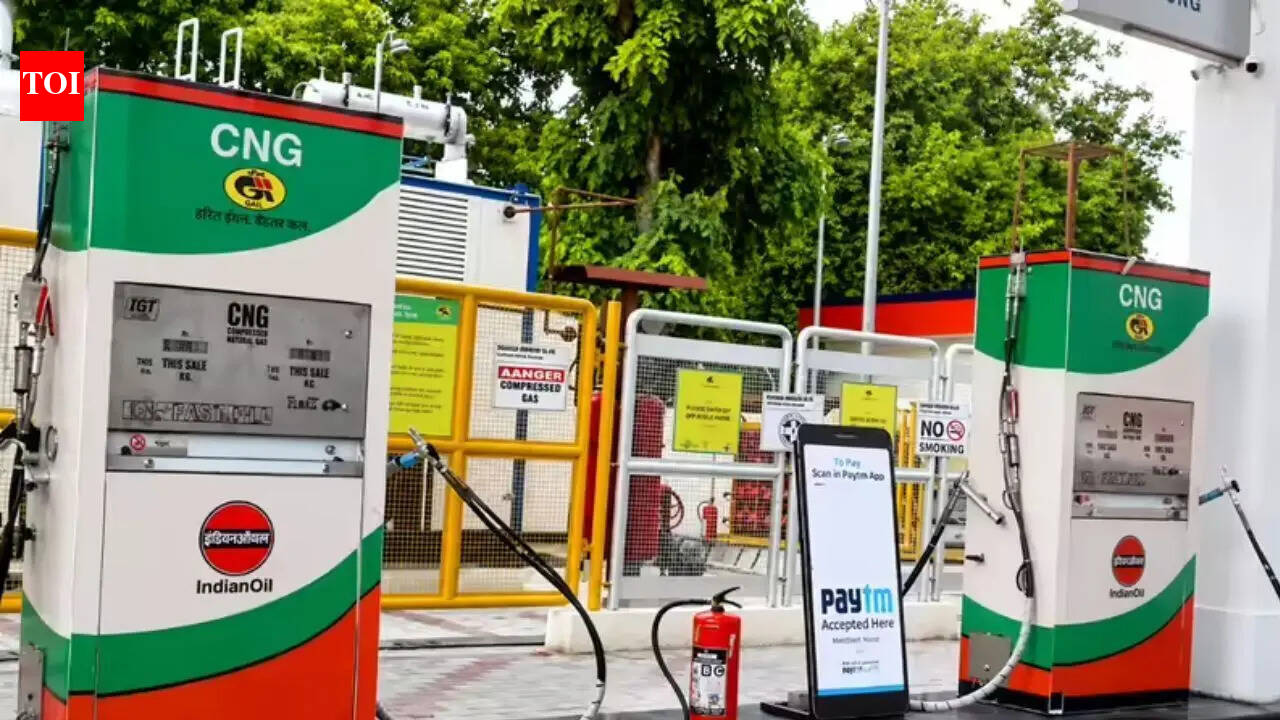
Indraprastha Gas Limited (IGL) has increased CNG prices in Delhi-NCR by Rs 3.89 per kg, citing rising global LNG costs and supply chain disruptions. This marks the fifth hike this year, pushing the price in Delhi to Rs 86.98 per kg.
Impact of Rising Energy Costs on Delhi-NCR CNG Prices
Indraprastha Gas Limited (IGL) has officially announced a price hike of Rs 3.89 per kg for Compressed Natural Gas (CNG) across the Delhi-NCR region. This adjustment, which brings the retail price in the capital to Rs 86.98 per kg, reflects the volatile nature of global energy markets and the direct impact of international geopolitical tensions on domestic fuel costs. As of the latest update, prices in neighboring cities like Noida and Ghaziabad have reached Rs 95.59 per kg, illustrating the significant financial burden now facing commuters and transport operators.
The Role of Global Geopolitics
The primary driver behind this price surge is the escalating cost of imported Liquefied Natural Gas (LNG). IGL has explicitly identified the ongoing crisis in West Asia and potential disruptions, such as the Hormuz blockade, as key factors contributing to the upward pressure on prices. Because India relies heavily on imported gas to meet its domestic demand, any instability in major supply routes or producing regions inevitably translates into a direct cost increase for the end-user.
A Pattern of Incremental Hikes
This latest increase marks the fifth time CNG prices have been raised within the current calendar year. The frequency of these hikes highlights a challenging trend for consumers who have witnessed a series of adjustments since May, when IGL implemented a cumulative Rs 6 per kg hike over a brief ten-day window. These successive increases underscore the difficulty utility providers face in balancing operational costs against the purchasing power of the public during periods of sustained global energy inflation.
Economic Implications for Transportation
The ripple effects of this price hike extend beyond individual car owners to the broader transportation sector, including public buses and commercial freight vehicles. As CNG remains a preferred fuel for its relatively lower emissions profile, the rising cost threatens the economic viability of green-transportation initiatives. While IGL maintains that CNG remains one of the most economical fuel options compared to petrol and diesel, the cumulative impact of these hikes is likely to pressure passenger fares and logistics costs in the Delhi-NCR region.
Looking Ahead: Market Volatility and Future Trends
Moving forward, consumers should remain prepared for potential further volatility. Given that the current pricing model is tethered to international LNG benchmarks, any prolonged instability in the Middle East will continue to dictate the frequency and scale of domestic price revisions. As India continues its push toward a cleaner energy mix, the reliance on imported gas necessitates a robust strategy to mitigate future supply chain shocks. Policymakers and utility providers will need to weigh the necessity of market-linked pricing against the need for energy security and affordability for the common citizen.