'84 rules changed': Congress accuses Uttarakhand CM of handing power project meant for PSUs to Adani
Source Entity
India Latest News: Top National Headlines Today & Breaking News | The Hindu
The Congress party has accused the Uttarakhand government of manipulating tender conditions to favor the Adani Group for a 1,320 MW thermal power project. The Opposition claims 84 rules were altered to exclude public sector undertakings in favor of a private monopoly.
Allegations of Favoritism in Uttarakhand Power Sector
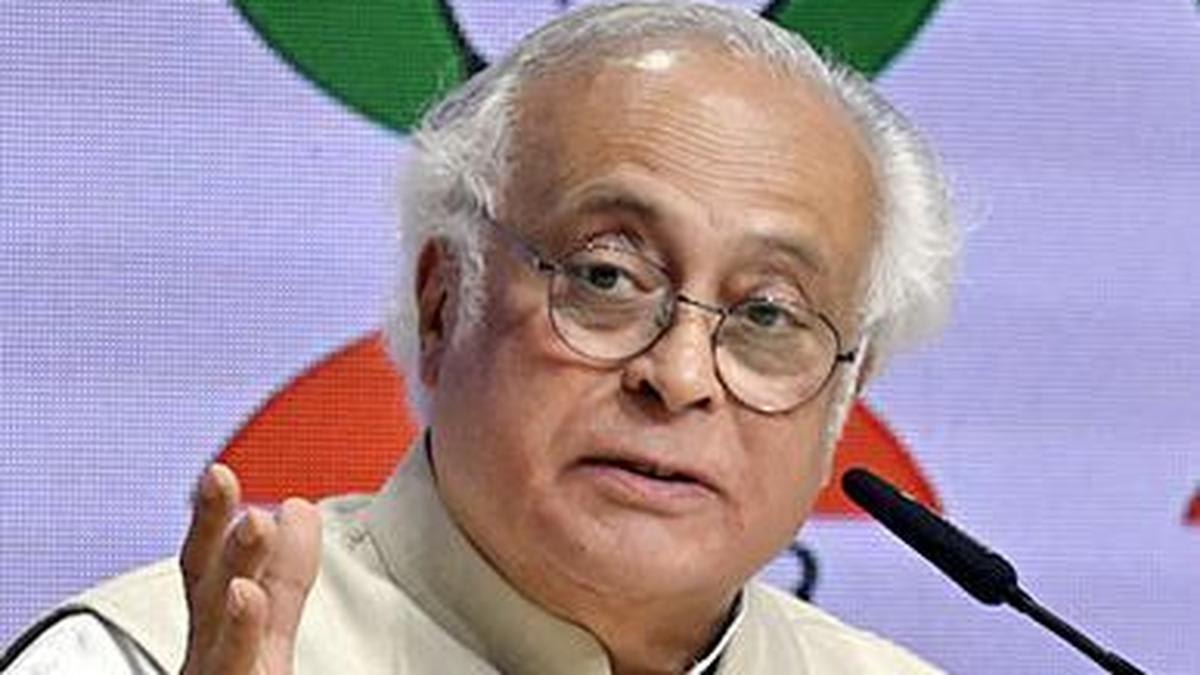
The Congress party has leveled serious allegations against the Uttarakhand government, claiming that a major thermal power project was systematically diverted to benefit the Adani Group. According to party spokesperson Jairam Ramesh, a project originally intended for public sector undertakings (PSUs) like UJVN and THDC was scrapped, only to be redesigned in a manner that allegedly creates a tailor-made opportunity for the Adani Group’s Korba plant.
The Controversy of Rewritten Tender Conditions
Central to the Opposition's critique is the claim that 84 specific tender conditions were rewritten to facilitate this transition. By modifying these procedural rules, the government allegedly transformed a public initiative into a 1,320 MW private-sector opportunity. The Congress argues that these changes were not merely administrative adjustments but a deliberate strategy to ensure the project fell within the specific operational parameters required by the Adani Group.
Impact on Public Sector Undertakings
Historically, thermal power projects in India have relied on PSUs to balance energy security with public accountability. The decision to abandon the UJVN-THDC collaboration raises questions regarding the government's commitment to state-led infrastructure development. By sidelining these entities, the current administration faces accusations of undermining public institutions to favor private corporate interests, a charge that often carries significant weight in regional political discourse.
Political Implications and Monopoly Concerns
These allegations arrive at a critical juncture for the Bharatiya Janata Party (BJP) as the state approaches Assembly elections. The Congress is framing this issue as a broader concern over the creation of a corporate monopoly, suggesting that the BJP's governance model prioritizes specific business conglomerates over public interest. The party has vowed to make this a central issue in the upcoming campaign, aiming to mobilize voters around the narrative of crony capitalism.
Silence and Lack of Clarification
Despite the gravity of the accusations, there has been a notable absence of immediate response from the Uttarakhand government, the Central government, or the Adani group. This silence has fueled further speculation and intensified the political pressure on the BJP. In the absence of a formal rebuttal or explanation regarding the necessity of rewriting 84 separate tender conditions, the Opposition’s narrative remains the primary lens through which this development is being viewed by the public.
Conclusion and Future Trends
As the political climate heats up, the scrutiny of these tender modifications will likely intensify. The outcome of this controversy will depend on whether the government provides a transparent justification for the changes to the project's scope and conditions. If left unaddressed, this issue is poised to become a defining theme of the upcoming election cycle, testing the electorate's stance on state-corporate relations and the transparency of public procurement processes.
Verification Required?